
Simit and Ramazan pidesi: leavening, molasses dipping, sesame coating and oven technique
A practical, authentic production guide to Turkey's two most recognisable oven breads for professional bakers. Simit (sesame-crusted bread ring) gets its dark, glossy, crunchy crust from a dip in diluted grape molasses — üzüm pekmezi mixed with water at roughly 1:1 — followed by a heavy sesame (susam) coat, then a hot bake; it is dipped, never boiled like a bagel or obwarzanek. The article decodes the regional simit map and its Turkish geographical indications (Ankara Simidi, Kastamonu Simidi, Manisa Taban, Rize with its aromatic pekmez, Samsun, İzmit, plus İzmir gevreği and the mahlab-scented kandil simidi), then turns to Ramazan pidesi — the Ramadan-only flat round that under the Turkish Food Codex is a 'sade pide' of just flour, water, yeast and salt. It sets out TWO honest, cited routes: the professional same-day formula (80–85% hydration, ~3% fresh yeast, steam deck) and a slow low-yeast overnight artisan formula (74% hydration, ~0.3 g dried yeast per 270 g flour), with the egg/yoghurt glaze, the baklava-lattice finger-dimpling and the sesame + nigella (çörek otu) topping. Every flour, yeast, salt, sesame and molasses-substitute maps to Domson catalogue products, with first-party supplier spec-sheet numbers, and the sesame allergen is flagged.
Two icons of the Turkish oven
Ask anyone what Turkey smells like in the morning and the answer is simit (sesame-crusted bread
ring); ask what it smells like on a Ramadan evening and the answer is Ramazan pidesi (the round,
lattice-scored Ramadan flatbread). Both are leavened wheat breads finished with sesame, and both are
ruined by skipping one core step. Simit lives or dies by its grape-molasses dip; Ramazan pidesi lives
or dies by its slack, high-gluten dough and a very hot, steamy deck. This dossier gives working
bakers the authentic method for each, with the numbers drawn from Turkish trade sources and from
Domson's own supplier spec sheets. See image img-b2sp-01 for the regional map and
img-b2sp-06/img-b2sp-09 for what "right" looks like.
A quick side-by-side is in data.json → table-simit-vs-pide.
Part 1 — Simit
What it is, and where it comes from
Simit is a ring — halka biçiminde — of stiff, strong-flour dough, usually formed by twisting or
braiding two rolled strands together (burma/örgü) before joining the ends. The name descends from
the Arabic samīd ("fine white flour"); the compound simid-i halka already appears in 16th–17th
century Ottoman records, and Evliya Çelebi's 17th-century Seyahatnâme describes giant ring simits sold
in Istanbul before production settled on the smaller everyday rings we know today. It is street food and
tea-time food in equal measure (img-b2sp-07).
The regional map and its geographical indications
Simit is not one bread but a family with registered geographical indications (mahreç işareti) at the
Turkish Patent Office. The practical, buy-and-bake map lives in data.json → table-regional-simit:
- Ankara Simidi (GI reg. no. 235) — its specification fixes the ingredients as un, maya, su, tuz, üzüm pekmezi ve susam (flour, yeast, water, salt, grape molasses and sesame) and requires conformity with the Turkish Food Codex and the TS 10626 Simit Standard. That official list is the cleanest proof that the molasses dip is not a home shortcut — it is the defining, standardised step.
- Kastamonu Simidi (GI reg. no. 435), Manisa Taban Simidi (baked on the oven floor, taban), Samsun Simidi, İzmit Simidi — further registered regional rings.
- Rize Simidi — distinguished by a dip in a fragrant local grape molasses (yöreye özgü kokulu üzüm pekmezi).
- İzmir gevreği — the Aegean name for simit, thinner and crisper. Its name is often linked to Balkan
migration around the 1930s (compare gjevrek) — a popular etymology worth flagging as contested, since
the gevrek/gjevrek form is attested in the Balkans well before then; see
img-b2sp-08. - Kandil simidi — a smaller, crunchier, biscuit-like sesame ring eaten around the kandil religious nights. The traditional version cited here is a leavened (mayalı) dough enriched with mahlab (mahlep); note that many modern kandil-simidi recipes are instead chemically leavened (baking powder).
The dip, not a boil (the one thing bakers get wrong)
Newcomers assume simit is boiled like a bagel or Poland's obwarzanek (see
B2-bread-landscape and the Polish B1-obwarzanek-and-scalded-doughs for the scald-and-boil family).
It is not. The shaped ring is dipped in pekmezli su — grape molasses thinned with water at
roughly 1:1 — and then pressed straight into a generous bed of sesame while still wet
(img-b2sp-02). Two things happen in the oven:
- Colour and gloss. Grape molasses is loaded with reducing sugars (glucose and fructose). On the
crust these drive Maillard browning and caramelisation, giving simit its unmistakable dark
mahogany, glossy shell — a heat-chemistry story covered in
A5-baking-oven-science. A boil, by contrast, only gelatinises surface starch: a different mechanism and a paler result (img-b2sp-03). - Adhesion. The sticky syrup cements the sesame so it does not shed after baking.
A precision note on "never boiled": the point is that simit is not cooked in water the way a bagel or obwarzanek is — the ring goes straight from dip to oven. The dip itself is not always cold: some regional specifications (e.g. Kastamonu Simidi) describe passing the ring briefly through a hot molasses-water bath to set colour and coating. That is still a coating step, not a cook-in-water boil, so the distinction holds — just don't read "dip" as strictly cold.
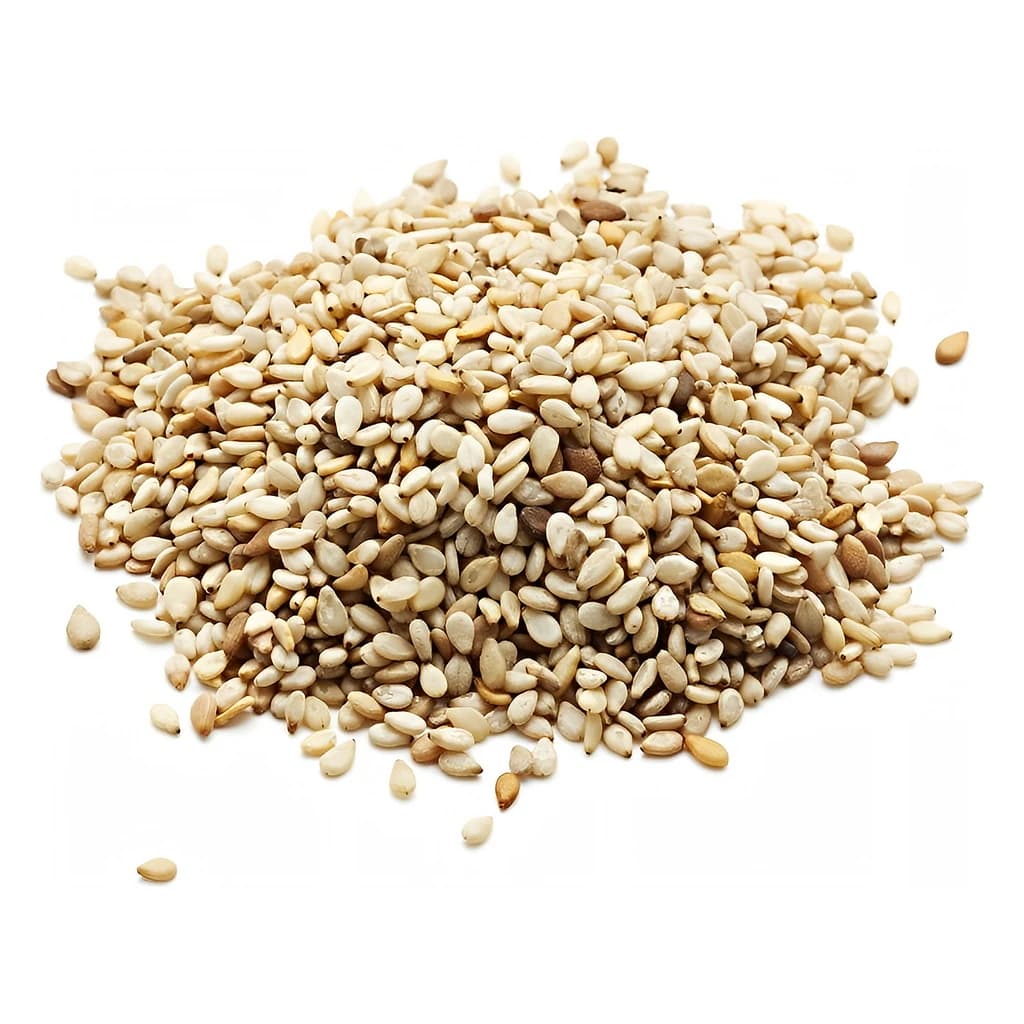
Use roasted sesame (kavrulmuş susam) for the deepest flavour and colour. A note on sourcing: the
catalogue's spec'd Sesame Seeds 25 kg is a hulled (dehulled, whiter) grade, whereas traditional
simit favours natural/unhulled sesame for a browner crust — so treat hulled as a workable substitute
and reach for a natural-sesame line where you want the classic look. Sesame handling, toasting and
allergen control are the subject of A7-seeds-nuts-toppings.
A working simit formula
The full teaching formula in baker's percentage is in data.json → formula-simit; it is an indicative
baseline synthesised from cited Turkish street-simit sources, not a protected GI recipe. The
essentials: a strong wheat flour at 100%, water kept low (~55–58%) so the dough is stiff and holds
its twist, ~2% fresh yeast (or ~0.8% instant), ~1.5% sugar and ~1% salt; ferment about 1 hour; shape,
dip, coat, and bake hot (~220–240 °C for ~25 minutes) in craft ovens — commercial simit ovens run
hotter and faster. Baker's-percentage thinking is explained in A8-bakers-percentage-fundamentals, and
this lean four-ingredient logic sits alongside the lean breads in A8-lean-bread-formulas. When it goes
wrong, use data.json → faults-simit.
Part 2 — Ramazan pidesi
What it is (and what the law says)
Ramazan pidesi is the large, soft, glazed flat round bought fresh for iftar throughout Ramadan,
scored into the diamond baklava dilimi ("baklava-slice") lattice and showered with sesame and nigella
(img-b2sp-09, img-b2sp-10). Under the Turkish Food Codex (Türk Gıda Kodeksi) bread communiqué it
is classified as sade pide ("plain pide") and, like bread, may be made from only flour, water, yeast
and salt — everything else (sugar, glaze, seeds) is finish, not substance. (This classification is cited
from the 2012 Ekmek ve Ekmek Çeşitleri Tebliği, which has since been amended — confirm against the
in-force communiqué before treating it as a current legal definition.)
Flour first: go strong
Turkish millers grade flour by job — ekmeklik (bread), böreklik (börek), baklavalık (baklava/phyllo)
— and both simit and pide want a strong / high-gluten bread grade for chew and gas retention (the
strength story is in A1-protein-gluten-and-strength, and flour-by-application in
A1-wheat-flour-types-by-application; the Turkish grades themselves are detailed in the sibling article
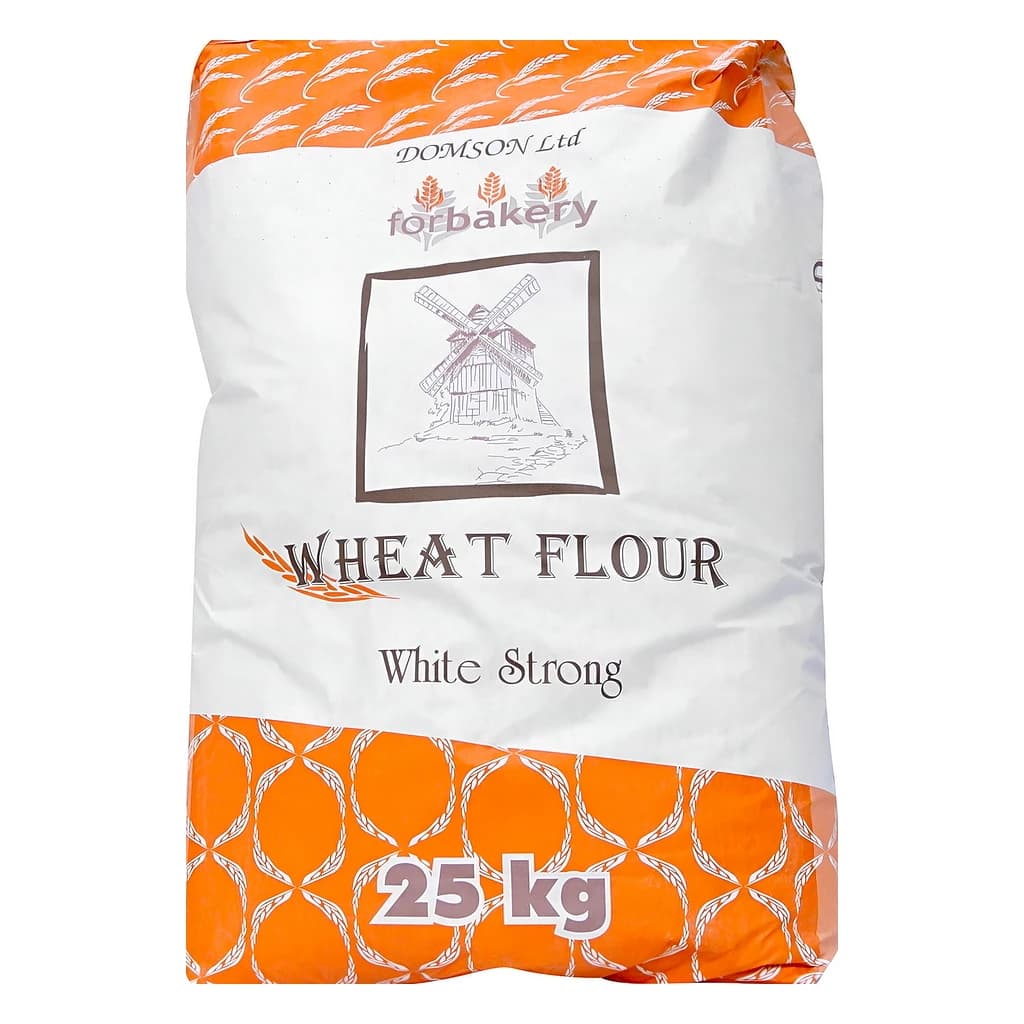
B2-flour-and-milling). Domson's Windrush Strong White Bread Flour is the closest catalogue match:
its datasheet gives protein 12.0–12.5%, Hagberg falling number 250–400 s and water absorption
55–61% — strong, sound, and thirsty enough for a wet pide dough. Domson White Strong Wheat Flour is
a solid everyday alternative; Wheat Flour Type 550 (wet gluten 28–32%, falling number ≥220 s) will
work if a dedicated strong flour is not to hand, though it is a touch weaker. See data.json →
table-flour-choice.
Two honest routes (choose by your schedule)
There is no single "correct" hydration or yeast dose for Ramazan pidesi — there are two legitimate
production philosophies, and a good bakery picks by throughput and oven. They are laid out in
data.json → table-pide-two-approaches and img-b2sp-05:
- Professional / same-day (Pakmaya trade formula). Per 1 kg high-gluten flour: 800–850 ml water
(80–85% hydration), 30 g fresh yeast (or 20 g instant, or 30 g sourdough starter), 15 g salt
(1.5%) and about 20 g sugar. Bulk-ferment in the trough, then a second proof in a controlled
proof/steam room. This is the route for Ramadan volume. Full card:
formula-ramazan-pidesi-pro. - Slow artisan / overnight. 74% hydration (250 g strong white + 20 g wholemeal flour, 200 g
water), an ultra-low ~0.3 g dried yeast per 270 g flour (~0.11%), 7 g salt, and a 15–18 hour
room-temperature first rise for flavour without a proof room. Full card:
formula-ramazan-pidesi-slow.
A note on the numbers: the ultra-low-yeast, 74% figure is a single-source artisan approach — excellent for flavour, but not the trade norm. The professional standard runs wetter and much yeastier. Both are shown so you can pick deliberately rather than copy one blindly. The fermentation trade-offs behind this choice are covered in
A2-yeast-types-comparisonandA2-yeast-fermentation-science.
Shaping, glazing and the lattice
Flatten each piece by hand into a round or oval. Brush with a glaze — options are egg yolk, whole
egg, a flour-and-boiling-water paste, or yoghurt — then, on the fully proofed dough, press the
signature baklava-lattice with perpendicular finger-dimpling (dimple firmly, right to the base, or
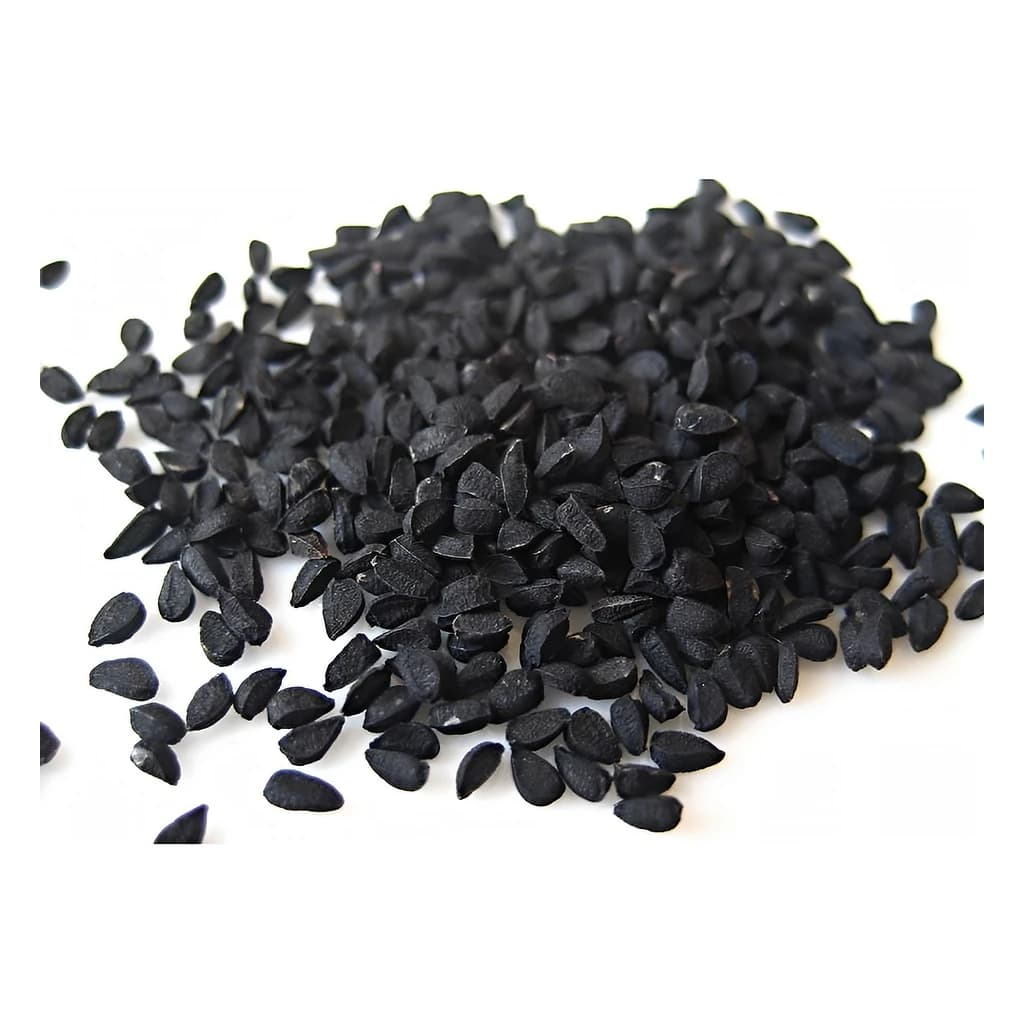
it bakes out flat). Scatter sesame + nigella (çörek otu, Nigella sativa) and load the oven
(img-b2sp-04). Reading proof correctly — the difference between a springy lattice and a collapsed one —
is the subject of A5-proofing-science.
The oven
Ramazan pidesi needs a very hot deck with steam: stone, matador or rotary ovens at ≥250 °C
(a home baker on a stone can push to ~300 °C). Bake time is short — 5–6 minutes on a hot stone, or
12–15 minutes in a standard oven — long enough to set the crumb and colour the glaze without drying
the loaf. Steam and heat management follow the same principles as any lean, high-hydration bread
(A5-baking-oven-science). Faults and fixes: data.json → faults-pide.
Buy the ingredients (Domson catalogue map)
Everything above maps to stocked products; first-party spec figures are in sources.json and summarised
in data.json → key_specs.
- Sesame (susam). Sesame Seeds 25 kg — the spec'd line is hulled (631 kcal, 61.2 g fat and 20.5 g protein per 100 g; declares the sesame allergen; 12-month shelf life). For the classic dark simit look, prefer a natural/unhulled sesame line where available.
- Nigella (çörek otu). Black Seeds 5 kg — the traditional companion topping on Ramazan pidesi.
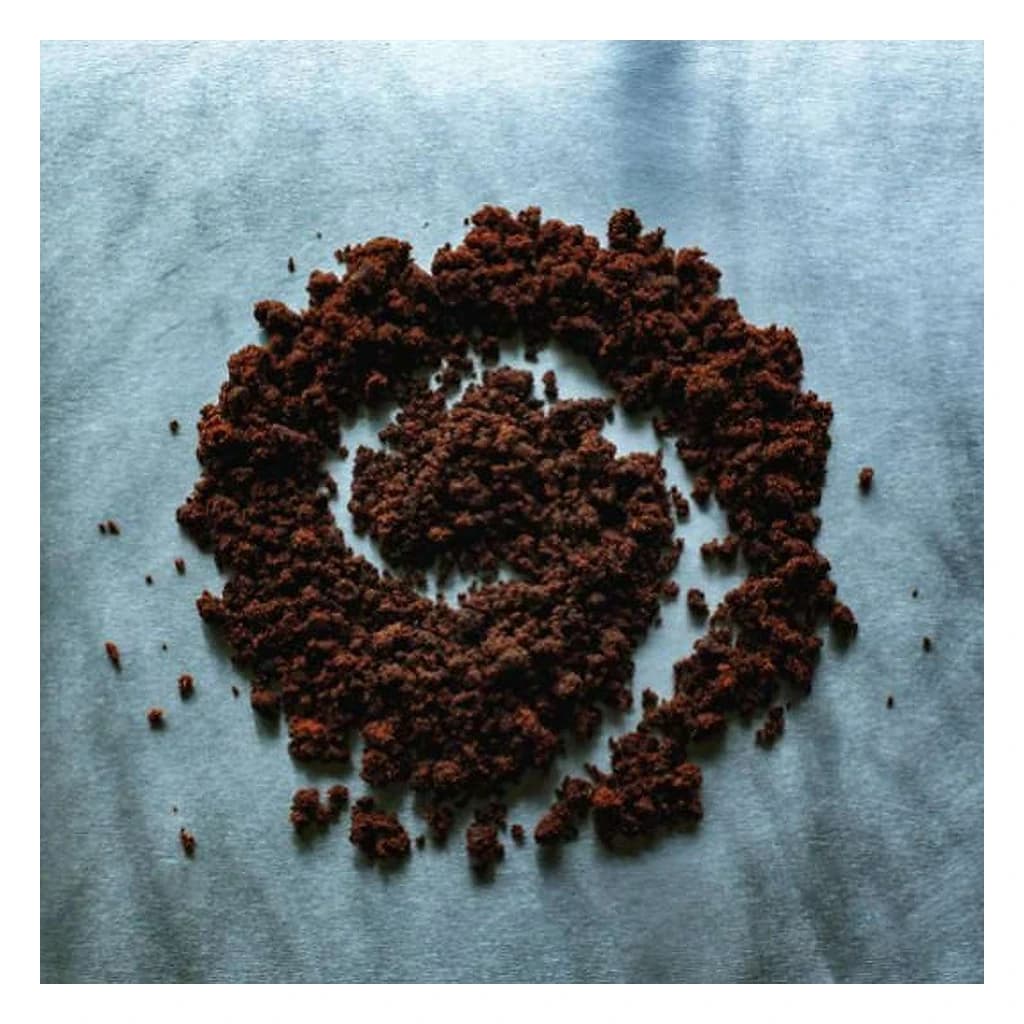
- Grape-molasses dip. Authentic simit uses üzüm pekmezi (grape molasses); it is the flavour- and colour-correct dip. Where genuine pekmez is not stocked, Molasses Sugar dissolved in water, or a dilute solution of EDME dried malt extract (90 g carbohydrate/100 g, 81 g of it sugars; colour 15–30 °EBC), can stand in for the browning role — flag these as substitutes, not equivalents.
- Strong flour. Windrush Strong White Bread Flour (best fit), Domson White Strong Wheat Flour, or Wheat Flour Type 550 at a pinch.
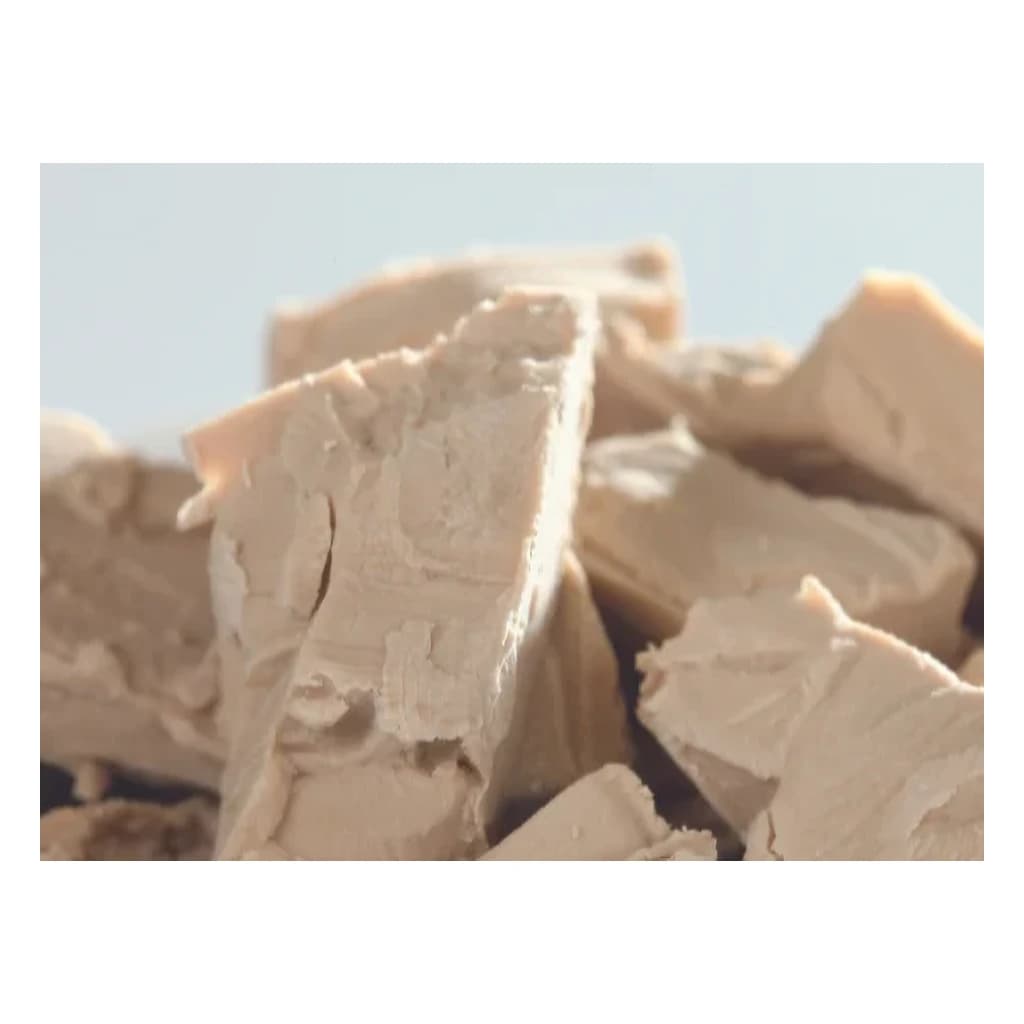
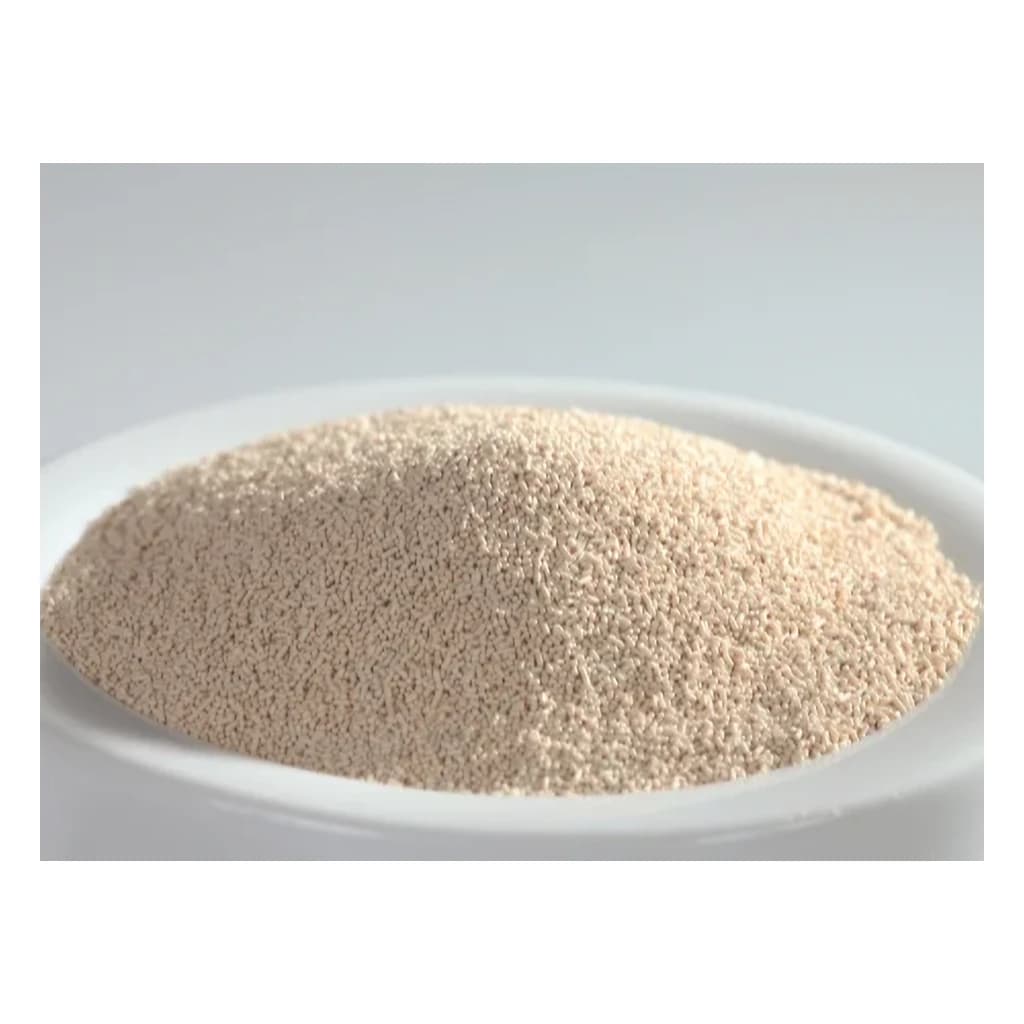
- Yeast. Fresh Yeast Benevia or Fresh Yeast Traditional (fresh, yaş maya); Dried Yeast Pakmaya — the Turkish market's benchmark brand, immediately familiar to Turkish bakers — or Dried Yeast Fermipan Red for the instant/low-dose overnight route. Store fresh yeast at 1–10 °C (best-before ~35 days).
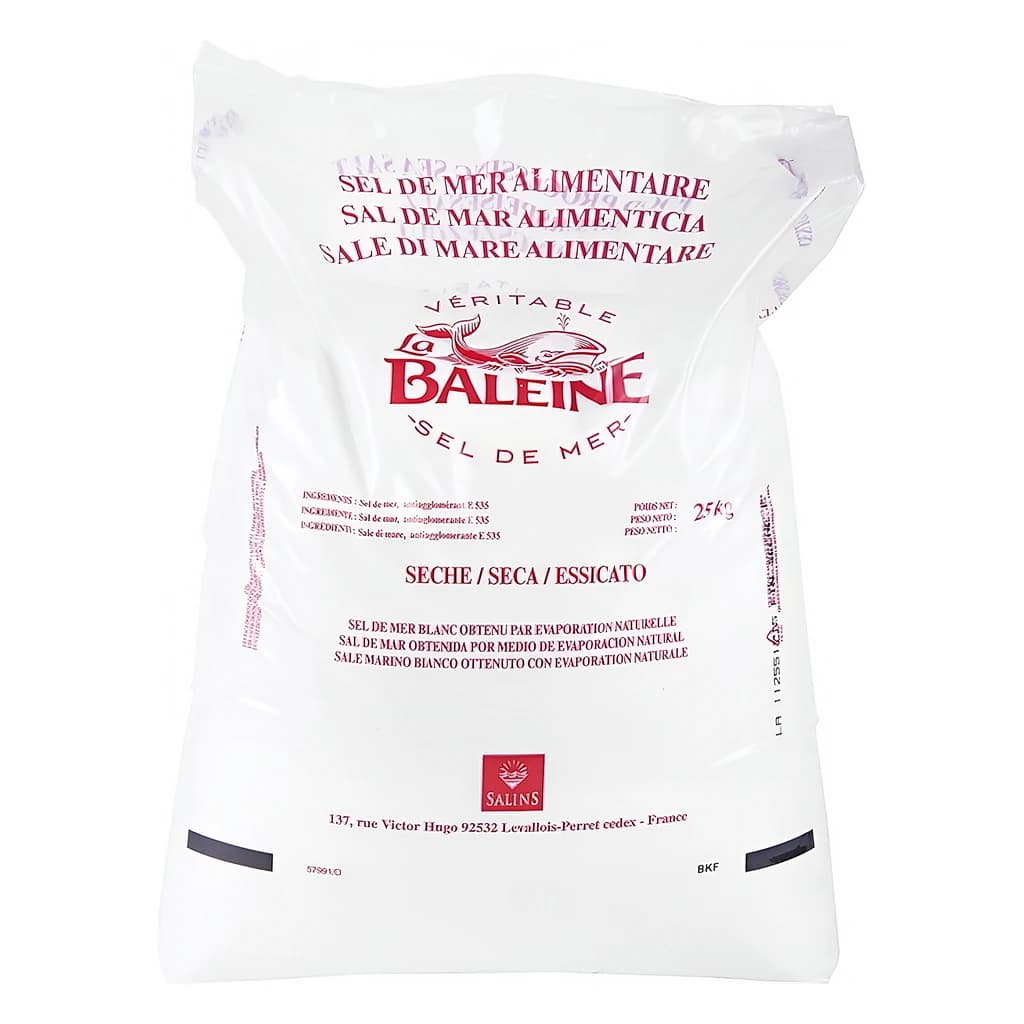
- Salt. Sea Salt Extra Fine (NaCl ≥99.5%) — fine grade dissolves quickly into a stiff simit or slack pide dough.
Food-safety and allergen flags (for human review before publication)
- Sesame is a declarable allergen (EU Regulation 1169/2011 Annex II, item 11; retained in UK law) and is intrinsic to both products — always declared.
- Cereal gluten (wheat) is intrinsic to both breads (Annex II item 1); any barley-based malt extract used as a browning stand-in adds barley gluten and carries a "may contain wheat" same-line note on its datasheet.
- Egg and milk from the Ramazan pidesi glazes. The traditional glaze options include an egg-yolk or whole-egg wash — declarable EGG (Annex II item 3) — and a yoghurt glaze (plus, in some recipes, a melted-butter wash) — declarable MILK (Annex II item 7). Whichever glaze you run must be captured on the finished-product declaration. (Simit, being lean, carries neither unless you glaze it.)
- The catalogue sesame is hulled (dehulled with a sodium-hydroxide processing aid, E524, a non-declarable processing aid) — a substitution vs traditional natural sesame.
- Fresh yeast carries a supplier note that SO2/sulphites (Annex II item 12) are present in the molasses used during yeast production — check your allergen declaration. Fresh yeast also needs a genuine cold chain: store 1–10 °C (optimum 4 °C).
- The Windrush strong flour datasheet carries a "may contain soya" cross-contamination note.
- Molasses Sugar / dried malt extract are proposed only as browning stand-ins for grape molasses; confirm ingredient declarations if you use them.
- Acrylamide awareness (process note): the sugar-rich, high-heat molasses crust is a classic Maillard/acrylamide-forming context — commercial bakers should apply the usual mitigation good-practice (Reg (EU) 2017/2158) and avoid over-baking to very dark colour.
All numeric, allergen and food-safety claims are itemised with their sources in sources.json; each fact
in this article carries a citation, and the verification status is recorded in the frontmatter
verification block.
Street simit (susamlı simit) — teaching formula in baker's %
| Ingredient | Baker's % | Weight |
|---|---|---|
| Strong wheat flour | ||
| Water (lukewarm) | ||
| Fresh yeast | ||
| Sugar | ||
| Salt |
- Mix to a smooth, stiff, non-sticky dough; ferment ~1 h at room temperature.
- Divide; roll each piece into two long strands, twist/braid them together and join the ends into a ring.
- Prepare the dip: grape molasses (pekmez) and water in roughly equal parts (1:1).
- Dip each ring fully in the pekmez water, then press/roll immediately into a generous bed of roasted sesame so every surface is coated.
- Bake hot, ~220–240 °C, ~25 min until deep golden and crisp; cool on a rack.
Yield: ≈ 6 rings of ~120 g dough
Keep the dough stiff (low hydration) so the ring holds its twist and bakes crisp. Dip, do NOT boil. Use natural/unhulled roasted sesame if you can source it for the deepest colour.
Ramazan pidesi — professional trade formula (Pakmaya), baker's %
| Ingredient | Baker's % | Weight |
|---|---|---|
| High-gluten wheat flour | ||
| Water | ||
| Fresh yeast | ||
| Salt | ||
| Sugar (optional) |
- Mix to a slack, extensible dough; bulk-ferment in the trough.
- Divide and round; rest, then transfer to a controlled proof/steam room for the second proof.
- Flatten each piece by hand into a round/oval; brush with glaze (egg yolk, whole egg, flour-and-boiling-water paste, or yoghurt).
- Dimple the surface with the fingers into the perpendicular baklava-lattice (baklava dilimi); scatter sesame + nigella (çörek otu).
- Bake in a very hot stone/matador/rotary deck oven with steam until deep golden and puffed.
Yield: ≈ 5–6 large pide from 1 kg flour
High-gluten flour and a wet, slack dough give the light, chewy, open crumb. Steam in the oven is essential for gloss and spring.
Ramazan pidesi — slow low-yeast artisan formula (overnight)
| Ingredient | Baker's % | Weight |
|---|---|---|
| Strong white flour | 250 g | |
| Wholemeal flour | 20 g | |
| Water (74% hydration) | 200 g | |
| Dried yeast | ~0.3 g (⅛ tsp) | |
| Salt | 7 g | |
| Glaze | 1 egg yolk + 2 Tbsp water + 1 Tbsp melted butter | |
| Topping | wheat-bran base + 1 Tbsp toasted sesame + 1 tsp nigella |
- Mix; first rise 15–18 h at room temperature until doubled and airy.
- Shape into a ~30 cm round on a bran-dusted parchment; rest 30–45 min.
- Glaze, then dimple deeply into the lattice; scatter sesame + nigella.
- Bake ≥250 °C (author 300 °C): 5–6 min on a baking stone, or 12–15 min+ in a standard oven.
Yield: 1 large pide (3–4 servings)
The ultra-low yeast and 15–18 h ambient rise develop flavour without a proof room; needs a very hot stone to bake fast.
The two icons of the Turkish oven differ in almost every process variable except that both are leavened wheat breads finished with sesame.
| Attribute | Simit | Ramazan pidesi |
|---|---|---|
| Form | Sesame-crusted ring (halka); two strands braided/twisted (örgü/burma) | Large flat round/oval, hand-flattened |
| Season | Year-round street food | Ramadan-only; bought fresh for iftar |
| Flour | Strong / high-gluten wheat flour for chew | High-gluten flour (professional) for a light, open, chewy crumb |
| Dough consistency | Stiff, low-hydration, non-sticky | Slack, high-hydration (80–85% pro; 74% artisan) |
| Signature step | Dip in grape-molasses water (~1:1), then coat in sesame | Egg/yoghurt glaze + sesame & nigella; baklava-lattice finger dimpling |
| Boil? | No — dipped, never boiled | No |
| Oven | Hot deck/stone, ~220–240 °C (craft) up to hotter commercial simit ovens | Very hot stone/matador/rotary deck with steam, ≥250 °C (to ~300 °C) |
| Bake time | ~25 min (craft ovens) | 5–6 min on a hot stone; 12–15 min standard oven |
| Eaten | With tea (çay), cheese, jam | Torn and shared at the fast-breaking meal |
Turkey protects several regional simit as mahreç işareti (geographical indications) at Türk Patent; names, spellings and distinguishing features from native sources.
| Name (Turkish) | Region | Distinguishing feature / status |
|---|---|---|
| Ankara Simidi | Ankara | Mahreç işareti reg. no. 235; spec fixes flour, yeast, water, salt, üzüm pekmezi + susam and TS 10626 |
| Kastamonu Simidi | Kastamonu | Mahreç işareti reg. no. 435 |
| Manisa Taban Simidi | Manisa | Baked directly on the oven floor (taban); registered GI |
| Rize Simidi | Rize | Dipped in a fragrant local grape molasses (yöreye özgü kokulu üzüm pekmezi) |
| Samsun Simidi | Samsun | Registered regional simit |
| İzmit Simidi | İzmit (Kocaeli) | Registered regional simit |
| İzmir gevreği | İzmir | Regional name for simit; linked to 1930s Balkan migration (gjevrek) |
| Kandil simidi | Nationwide (religious calendar) | Small, crunchy, mahlab-scented leavened sesame ring for kandil nights |
The taxonomy's ultra-low-yeast 74% figure and the trade-standard Pakmaya figure are BOTH authentic — they are different production philosophies. Choose by your schedule and oven.
| Variable | Professional / same-day (Pakmaya) | Slow artisan / overnight (Bergum) |
|---|---|---|
| Hydration | 80–85% (800–850 ml water / kg flour) | 74% (200 g water / 270 g flour) |
| Yeast | 30 g fresh (or 20 g instant) per kg ≈ 3% fresh | ~0.3 g dried per 270 g flour ≈ 0.11% |
| Salt | 15 g/kg (1.5%) | 7 g / 270 g (2.6%) |
| Sugar | ~20 g/kg (2%) in some formulas | none |
| First ferment | Bulk in trough, then controlled proof room | 15–18 h at room temperature |
| Best for | High-volume Ramadan production, fast turnaround | Deeper flavour, low-yeast craft loaves |
| Oven | Stone/matador/rotary deck + steam | Baking stone ≥250 °C (author 300 °C) |
Turkish millers grade flour by application (ekmeklik/baklavalık/böreklik); the practical target for simit and Ramazan pidesi is a strong bread ('ekmeklik'/high-gluten) flour. First-party datasheet figures shown.
| Catalogue flour | Protein | Falling number | Fit for simit/pide |
|---|---|---|---|
| Windrush Strong White Bread Flour (Matthews) | 12.0–12.5% | 250–400 s (target 350) | Best match: strong, sound falling number, good gas retention |
| Domson White Strong Wheat Flour | Strong grade | — | Good everyday strong-flour choice |
| Domson / GoodMills Wheat Flour Type 550 | wet gluten 28–32% (~11.5–12.5%) | ≥220 s | Workable if a dedicated strong flour is unavailable; slightly weaker |
| Fault | Likely cause | Fix |
|---|---|---|
| Pale, dull crust — no mahogany colour | Dip too weak or omitted; oven too cool | Use ~1:1 pekmez:water; bake hotter (220–240 °C); consider natural (unhulled) sesame |
| Sesame falls off after baking | Ring too dry when coated; dip too thin | Dip fully and coat immediately while wet; press seeds on firmly |
| Ring loses its twist / flattens | Dough too soft; under-worked; over-proofed | Keep the dough stiff (low hydration); ferment ~1 h only |
| Tough, hard bite (not crisp-chewy) | Weak flour or over-baked | Use a strong/high-gluten flour; pull as soon as deep golden |
| Bitter/burnt notes | Molasses scorching at very high heat | Slightly lower deck temperature or shorten bake; even seed coat |
| Fault | Likely cause | Fix |
|---|---|---|
| Dense, tight crumb (not airy) | Hydration too low; under-proofed; weak flour | Push hydration to 80–85% with high-gluten flour; give a full second proof |
| Lattice pattern bakes out flat | Dimpled too shallow or dough over-proofed | Dimple firmly to the base on fully — not over — proofed dough |
| Pale top, no gloss | No glaze or no steam | Glaze (egg/yoghurt) and bake with steam in a hot deck |
| Gummy / doughy centre | Oven not hot enough; baked too briefly | Bake ≥250 °C on stone; extend to 12–15 min in a domestic oven |
| Collapses after shaping | Over-fermented, gluten exhausted | Shorten bulk/proof; keep dough cool; use sound-falling-number flour |
| Toppings scorch before crumb sets | Deck too hot for the loaf size | Balance top/bottom heat; protect toppings or lower temp slightly for larger pide |
Buy the ingredients
Catalogue products and brands referenced in this article.
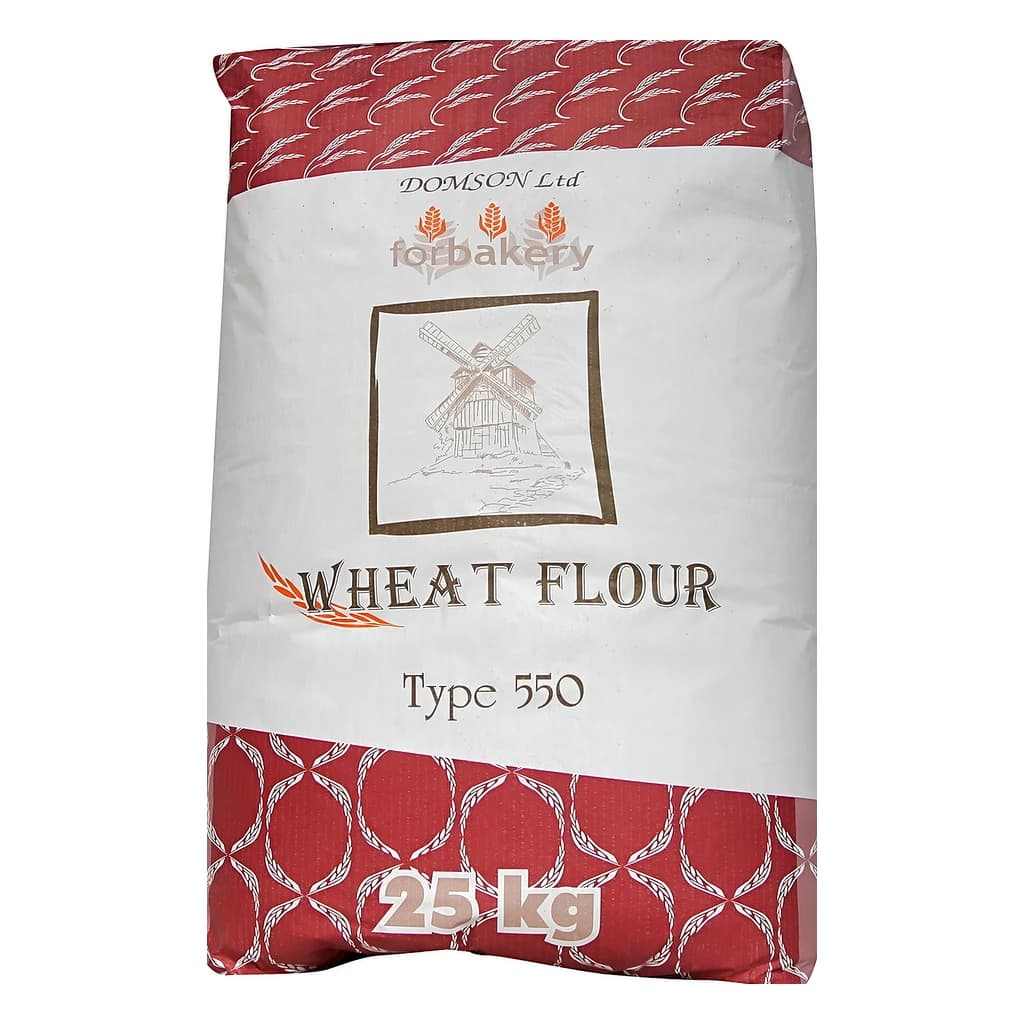
Domson Wheat Flour Type 550 25 kg
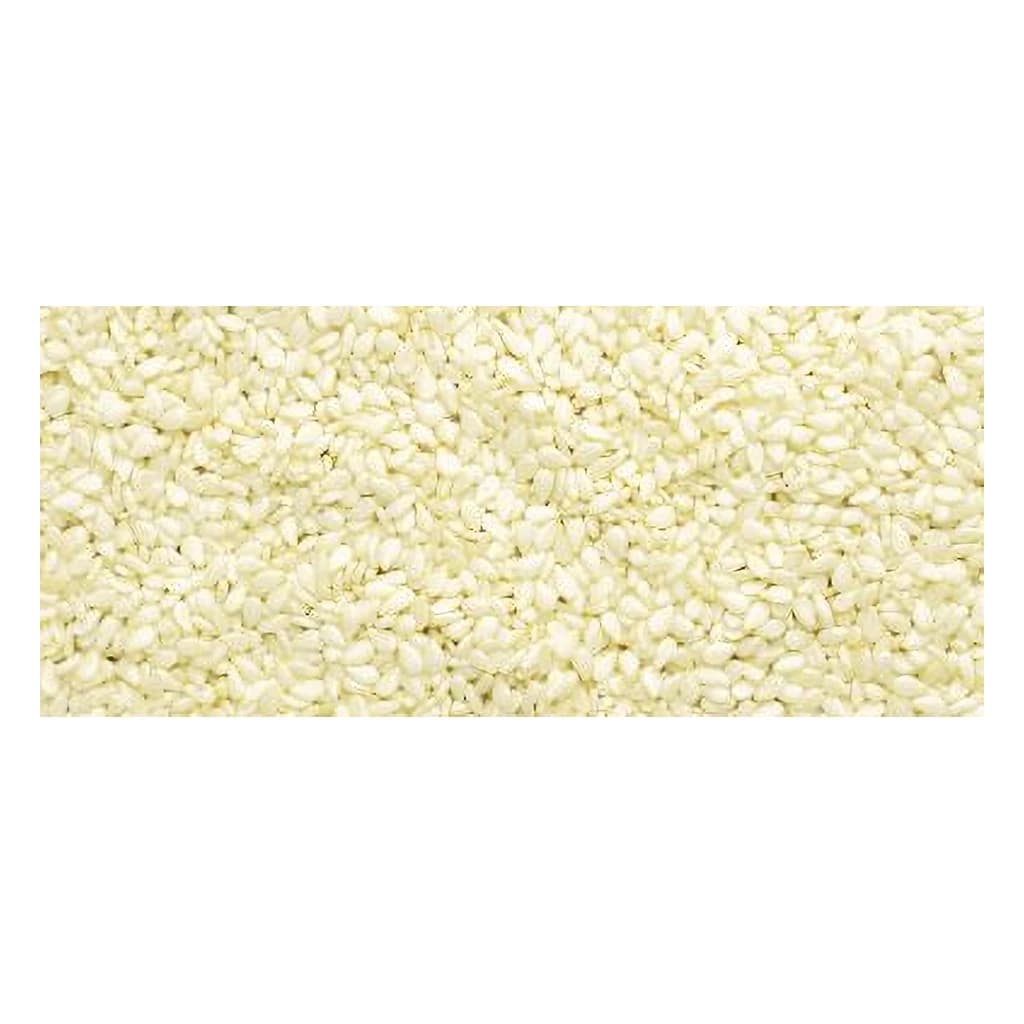
Sesame Seeds 25 kg
Fresh Yeast Benevia 10 kg
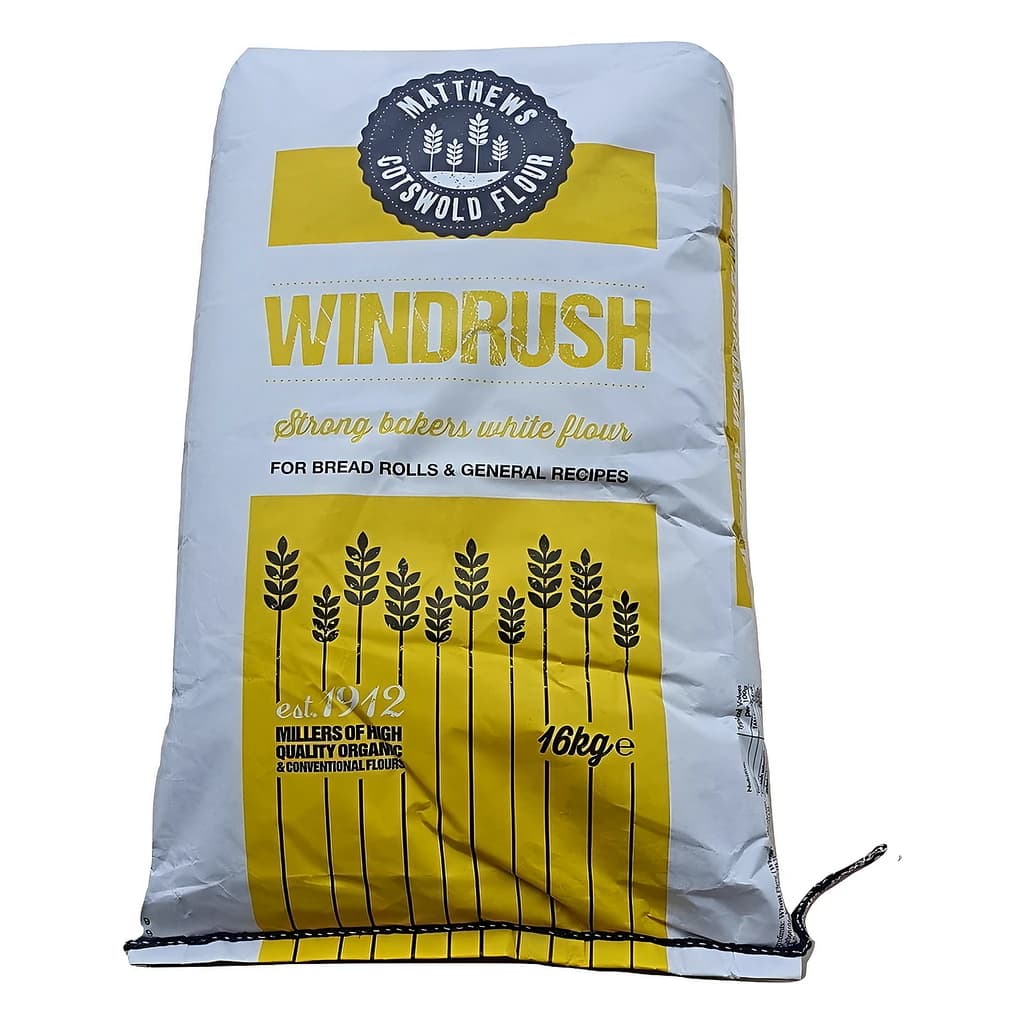
Windrush Strong White Bread Flour 16 kg
Fresh Yeast Traditional 12 kg
Dried Yeast Pakmaya 20 × 500 g (10 kg)
Domson White Strong Wheat Flour 25 kg
Sea Salt Extra Fine 25 kg
Black Seeds 5 kg
Dried Yeast Fermipan Red 10 kg
Molasses Sugar 25 kg
Sesame Seeds 25 kg
Related reading
- Protein content, gluten quality and flour strength: what the numbers mean for your dough
- Choosing the right wheat flour: bread, pastry, cake, pizza, pasta and laminated doughs
- Fresh, Active Dry & Instant Yeast: Formats, Performance & When to Use Each
- How Yeast Ferments: Carbon Dioxide, Ethanol, Flavour and the Key Variables That Control It
- Proofing science: final proof parameters, humidity control, over-proofing vs. under-proofing, and how to read dough readiness
- The baking stage: oven spring, steam injection, starch gelatinisation, Maillard reaction and crust formation
- Seeds, nuts & crunchy toppings: glazing, toasting, coating and allergen management
- Baker's percentage: the universal language of professional formulas
- Lean bread formulas: baguette, ciabatta and sourdough by baker's percentage
- Turkish wheat flour grades: choosing the right un for ekmek, pide, baklava and börek
- Turkey's bread map: from somun ekmek to Vakfıkebir and regional flatbreads
- Yufka, lavaş, bazlama and gözleme: unleavened and sac-baked flatbreads in professional production
Sources
- referenceSimit — Türkiye Turizm Ansiklopedisi (tr)
- referenceİyi Bir Ramazan Pidesi Yapmak için İpuçları ve Tarifler — Pakmaya Profesyoneller Dünyası (tr)
- recipeTurkish Ramadan Pide (Ramazan Pidesi) — A Kitchen in Istanbul (Vidar Bergum)
- recipeEv Yapımı Sokak Simidi Tarifi (Resimli) — Yemek.com (tr)
- referenceOpen sesame! All about this special seed in Turkish cuisine — Daily Sabah
- regulatoryAnkara Simidi — Coğrafi İşaretler Portalı (Türk Patent ve Marka Kurumu), mahreç işareti tescil no. 235 (tr)
- regulatoryKastamonu Simidi — Coğrafi İşaretler Portalı (Türk Patent), mahreç işareti tescil no. 435 (tr)
- regulatoryTürk Gıda Kodeksi Ekmek ve Ekmek Çeşitleri Tebliği (resmî metin, TUSAF arşivi) (tr)
- brandSöke — Profesyonel Unlar (baklavalık, böreklik, ekmeklik) (tr)
- brandBaklavanın Sırrı: Baklavalık Un Nasıl Seçilir? — Özmen Un (tr)
- brandPakmaya — Professional Yeast & Baking Ingredients
- regulatoryRegulation (EU) No 1169/2011 on food information to consumers — Annex II (list of allergens), item 11: Sesame seeds
- spec-sheetGlobal Grains and Ingredients Ltd — Sesame Seed (Hulled), Specification 'Sesame - Hulled', Issue 10
- spec-sheetFWP Matthews — Windrush (Bakers White PP) Sterling Strong Bread Flour, Full Product Specification, Rev 17
- spec-sheetGoodMills Polska (Domson-branded) — Wheat Flour Type 550, Product Description NR 03, Edition 10
- spec-sheetLesaffre Polska — BENEVIA fresh compressed baker's yeast, Product Specification, Version 4 (08.03.2024)
- spec-sheetThe Salt Company (Int.) Ltd — Extra Fine Sea Salt, Product Specification 016S, Issue 4 (28.02.2024)
- spec-sheetEDME Ltd — SDM Medium Extract (dried malted-barley extract powder) 25 kg, FPS 1027, Issue 002 (15.07.2021)