
Yufka, lavaş, bazlama and gözleme: unleavened and sac-baked flatbreads in professional production
A practical, production-focused guide to Turkey's griddle breads for professional bakers and caterers: the sac (saç) — the domed iron griddle at the heart of the tradition — and the four breads it makes. Yufka (thin, unleavened keeping bread rolled with an oklava to 55–75 cm and baked crisp, then stored dry and rehydrated before serving; Türkiye's element in the 2016 UNESCO listing "Flatbread making and sharing culture: Lavash, Katyrma, Jupka, Yufka", Decision 11.COM 10.b.2). Lavaş (a soft leavened flatbread, 30–40 cm elliptical). Bazlama (a leavened round sac bread of the Çukurova, ~20–25 cm across and ~1 cm thick). And gözleme (thin hand-rolled dough folded over a cheese, potato or spinach filling and cooked on a dry sac). It explains the equipment (sac vs tandır vs kazan), the dough logic (extensible "açılan un" for thin rolling vs strong bread flour for leavened breads), gives illustrative baker's-percent formulas and a fault-finder, and maps every bread to ready-to-buy Domson catalogue flours, yeast (including Pakmaya), oils and toppings — flour figures drawn first from first-party UK supplier spec sheets, then cross-checked. Native Turkish sources are mined for authentic regional names, ratios and history; cross-links the Pillar A craft articles and the sibling B2 Turkish dossiers a Turkish baker leans on.
Yufka, lavaş, bazlama and gözleme: unleavened and sac-baked flatbreads in professional production
For most of Anatolia's history, bread did not come from a bakery — it came from a sac (also written saç), a domed sheet of iron set over an open fire, and from the women who rolled dough thin across it. This is the oldest layer of the Turkish bread tradition: portable, fast, needing no oven, and reaching back to the nomadic Central Asian steppe [src-330, src-yufka-researchgate]. Four breads define it and still sell hard from Turkish bakeries, kebab houses and market stalls in the UK today: yufka (thin unleavened keeping bread), lavaş (a soft leavened flatbread), bazlama (a leavened round griddle bread) and gözleme (a filled, folded flatbread). This article is the production map — the equipment, the dough logic, illustrative formulas, a fault-finder, and exactly which Domson flours, yeast and toppings to order for each (see img-b2fs-01 and img-b2fs-11). The oven breads (somun, Vakfıkebir) live in the sibling article B2-bread-landscape; the flour grades in B2-flour-and-milling; and yufka's second life as börek pastry in B2-borek-phyllo.
The sac, the tandır and the kazan: know your heat
The single most important thing for an oven-trained baker: these are direct-contact or radiant breads, not oven-spring breads. The 2016 UNESCO inscription that protects this tradition names the three traditional heat sources precisely — the tandır/tanûr (a buried earth or clay oven, walls fired from within), the sac (a metal griddle), and the kazan (a cauldron) [src-unesco-flatbread]. Each imposes a different dough, and each maps to a region (see img-b2fs-02).
- The sac (saç). A convex (lightly domed) iron or steel plate, set curved-side-up over a fire or gas ring (see img-b2fs-12); the dome sheds any excess dough and gives fast, even, dry contact heat. A light-to-moderate dome is preferred for rolled dough products — yufka, lavaş, katmer and gözleme all belong to the sac [src-yufka-researchgate, src-186]. A traditional two-piece tool, the attırgaç (a thin batten), is used to lift the fragile sheet onto and off the hot plate [src-yufka-researchgate]. In a modern UK operation the sac becomes an electric or gas gözleme/yufka griddle — the technique is identical.
- The tandır. A buried clay/stone oven; dough is slapped onto the inner wall and bakes by radiant heat. It gives bazlama, kete and pide their character in much of Anatolia [src-186, src-339]. See B2-bread-landscape for tandır loaves.
- The kazan. A cauldron, used elsewhere in the five UNESCO nations; less central to the Turkish repertoire but part of the shared heritage [src-unesco-flatbread].
The heat-transfer physics — dry conduction on the sac, radiation in the tandır, and the surface blistering and Maillard browning that give these breads their spotted, freckled crust — are the general oven-science covered in A5-baking-oven-science. The practical takeaway: the sac runs hot and dry, and thin breads cook in seconds to a couple of minutes, so the dough, not the bake, is where the work is.
Yufka: the thin unleavened keeping bread
Yufka is the base of the whole tradition — "for more than a thousand years it has crowned the Anatolian table" [src-339]. It is the simplest possible bread: wheat flour, water and salt, no leaven [src-330, src-339]. The nomadic logic is baked in — an unleavened sheet, cooked crisp and dry, keeps for weeks without refrigeration, which is exactly why steppe and village households made it in large batches [src-330].
How it is made (see img-b2fs-03, img-b2fs-04). The dough is kneaded firm, rested under a damp cloth, then divided into balls (bez / beze). Each ball is rolled out on a board with a long thin rolling pin — the oklava — into a very thin disc, traditionally about 55–75 cm across [src-330]. The disc is baked on the hot sac, turned once or twice, until it is dry and crisp (gevrek) rather than soft [src-330]. Salt is strikingly low: one reference gives two or three tablespoons of salt for 20–25 kg of flour — roughly 0.15–0.3% of flour weight — because dried yufka is a keeping bread, not a seasoned table bread [src-330]. (This ratio is single-source; treat as indicative and see the flag in data.json.)
Storage and service — the part people get wrong. Baked yufka is stacked, covered with a clean cloth and kept in a cool dry room, where it keeps for extended periods — indicatively weeks [src-330]. (The source describes keeping "over extended periods"; treat the exact duration as indicative.) To eat it, you rehydrate: sprinkle the dry sheets with water, cover, and rest 10–15 minutes until they soften and become pliable, then serve or roll [src-330]. This dry-store-then-rehydrate cycle is the flatbread equivalent of the staling/retrogradation and moisture-migration story in A5-shelf-life-and-staling — yufka simply front-loads the drying on purpose.
Yufka's second life. The same thin sheet, kept pliable, is the raw material for su böreği and other layered börek, and for dürüm wraps around kebab [src-ozlem]. That pastry route — boiling, layering and filling yufka — is the subject of B2-borek-phyllo; for the dough it demands, see the extensible-flour section below.
Yufka is Türkiye's contribution to the UNESCO Representative List entry "Flatbread making and sharing culture: Lavash, Katyrma, Jupka, Yufka", inscribed in 2016 (Decision 11.COM 10.b.2) jointly by Azerbaijan, Iran, Kazakhstan, Kyrgyzstan and Türkiye — the listing explicitly frames flatbread-making as a shared social act requiring at least three people, usually family, each with a role [src-unesco-flatbread, src-330].
Lavaş: the soft leavened flatbread
A note on names first, because it trips people up. In the Anatolian sources the Turkish lavaş is a soft, leavened flatbread — the Turkey Tourism Encyclopedia and Pakmaya describe an elliptical bread 30–40 cm long, 15–20 cm wide and 1–1.5 cm thick [src-339] (see img-b2fs-09). Do not conflate it with the paper-thin, crisp, long-keeping cracker-lavash of Armenia and the Caucasus; they share a name and the UNESCO heritage but are different products on the bench. The soft Turkish lavaş is the puffy, foldable bread served hot alongside kebab and used as a wrap.
On the bench it behaves like a lean, well-hydrated yeasted dough: strong-ish wheat flour, water, yeast and salt, developed to a smooth extensible dough, divided, proofed briefly, rolled or pressed to an oval and baked fast and hot (sac, tandır wall, or a hot deck) so it blisters and, ideally, balloons. The lean-dough formula logic is in A8-lean-bread-formulas; the yeast choices in A2-yeast-types-comparison. Because it is a same-day soft bread, extensibility matters more than raw strength — see the flour section.
Bazlama: the leavened round of the Çukurova
Bazlama is the everyday leavened sac (or tandır) bread, "especially widespread in the Çukurova region," a round disc about 20–25 cm across and roughly 1 cm thick [src-186, src-339] (see img-b2fs-05, img-b2fs-06). Unlike yufka it is soft, thick and pillowy — a breakfast and mezze bread, split and buttered or dipped.
Production logic. A soft wheat dough is raised with yeast — many home and village versions enrich it with yogurt for a tender, slightly tangy crumb — proofed until roughly doubled (about 45–60 minutes), divided, rounded and rolled to ~1 cm, then baked on the hot sac, flipped every 1–2 minutes until puffed and freckled on both sides [src-bazlama-yemekcom, src-bazlama-mutfagimdan]. A representative bench recipe uses fresh yeast, ~2 tsp salt, a little sugar to feed the yeast and a splash of olive oil for softness [src-bazlama-yemekcom]. This is a straight-dough, single-proof bread — the mixing and proofing science is A5-dough-mixing-methods and A5-baking-oven-science; the formula is in data.json.
Gözleme: the filled sac flatbread
Gözleme is the sac's showpiece and the one UK caterers sell most: a thin sheet of dough folded over a savoury filling and griddled dry. It is inseparable from the image of the headscarved gözlemeci rolling dough at a market stall (see img-b2fs-07, img-b2fs-08; the heritage village of Cumalıkızık near Bursa is famous for it).
The dough (see img-b2fs-10). Traditionally a plain unleavened dough — flour, water, salt — kneaded to a soft, non-sticky, "earlobe-soft" consistency and rested 30–40 minutes so it relaxes and rolls thin without tearing [src-gozleme-yemekcom, src-gozleme-karaca]. Mandarin-sized balls are rolled with an oklava to a thin, roughly plate-to-serving-plate-sized round [src-gozleme-karaca].
The fillings. The classics, each spread in a thin layer over one half of the round [src-gozleme-karaca]:
- Peynirli — crumbled white cheese (beyaz peynir) mashed with chopped parsley.
- Patatesli — boiled, mashed potato, often with onion and spice.
- Ispanaklı — chopped spinach with onion. The cited recipe adds the spinach raw so it cooks in its own steam inside the fold [src-gozleme-karaca]; other cooks pre-wilt and drain it. Either way, keep the filling low-moisture — a wet filling steams and tears the dough.
Fold the empty half over the filling, press the edges to seal, and cook on a dry sac or griddle. Keep the heat moderate — never high: too hot and the outside scorches while the inside stays raw; a moderate heat cooks it through and browns it in freckles [src-gozleme-yemekcom, src-gozleme-karaca]. Brush off the heat with butter (the traditional finish) or oil to soften and enrich [src-gozleme-yemekcom]. Because the dough is thin and the fillings carry dairy, egg (in some versions) and vegetables, gözleme is where the allergen and food-safety notes below bite hardest.
The flour question: extensible "açılan un" vs strong bread flour
Turkish millers sell purpose-graded flours, and the key distinction for this article is between flour for thin rolling and flour for leavened breads — the full grade system is in B2-flour-and-milling, but the flatbread-relevant part is this:
- For yufka and gözleme you want an extensible, "openable" flour. Turkish millers market "açılan un" ("flour that opens") — labelled baklavalık / böreklik / mantılık — a high-protein but elastic flour engineered so the dough rolls paper-thin without tearing and holds its shape [src-sinangil-acilanun, src-337]. The governing property is gluten quality (extensibility) as much as quantity — the protein-and-strength story in A1-protein-gluten-and-strength, applied to the specific job of thin sheeting (A1-wheat-flour-types-by-application). In the UK catalogue the closest analogues are extensible, amylase-dosed pizza/"00"-style flours: Carr's Verace (protein 11.7–12.4%, water absorption 59–61%+, starch damage ~30, with added fungal alpha-amylase and ascorbic acid) [ss-verace] and ROMEL Italian Tipo 00 Pizza Flour — both roll and stretch beautifully.
- For lavaş and bazlama you want a strong bread flour. These are yeast-raised and need gas retention. Windrush Sterling strong bread flour (FWP Matthews) runs protein 12.0–12.5%, Hagberg falling number 250–400 and water absorption 55–61%, and is fortified to the UK Bread & Flour Regulations 1998 [ss-windrush]; Carr's Titan strong bakers flour is stronger still at protein 12.7–13.3% (typical 14.2 g/100 g) with 2.5% added wheat gluten and 57–62% water absorption [ss-carrs-titan]; Domson White Strong (ADM) and Pennine (Allied Mills) sit in the same bracket. For a softer, home-style bazlama a plain flour (ADM Domson Plain) or a blend also works.
See data.json table-flour-choice for the full mapping, and the buy-it map at the end.
Leavening and the rest of the basket
The leavened breads (lavaş, bazlama, and the sibling pide/simit in B2-simit-and-ramazan-pidesi) run on baker's yeast. The most authentic line for a Turkish baker is Pakmaya — Turkey's iconic yeast brand (Pak Gıda), which introduced modern industrial baker's yeast to Turkey and remains synonymous with it [src-339] — stocked here as dried Pakmaya yeast [linked-product]. For fresh yeast, Lesaffre Benevia is a live Saccharomyces cerevisiae compressed yeast (dry matter >29%, stored 1–10 °C, 35-day shelf life) [ss-benevia]; for a shelf-stable instant option, Fermipan Red (Lallemand). Yeast format and dosing are covered in A2-yeast-types-comparison.
Round out the order with the finishing and cooking items the tradition uses: sesame seeds (Ros-Sweet, Global Grains) and nigella / black seed (çörek otu, FGS Ingredients) for topping leavened flatbreads and simit-style breads; sunflower or rapeseed oil (Olympic Oils) for the dough and the griddle and for the spinach filling; and molasses — pekmez (grape molasses) is the authentic simit dip and a common sweet accent; the nearest catalogue item is Kent Foods molasses sugar. Turkish semolina (irmik) breads and some regional flatbreads use durum semolina — Allied Durum Wheat Semolina or Eurostar coarse semolina.
Health, allergen and food-safety notes (flagged for review)
This is a category where allergens and food safety are load-bearing, not a footnote — all figures below are flagged for human review before publication.
- Gluten (cereals). Every one of these breads is built on wheat flour, a declarable cereals-containing-gluten allergen under UK/EU rules; the UK flours also declare wheat gluten as an added ingredient and note cross-contamination risks (Carr's Titan flags potential barley/rye/oat and soya carry-over; Windrush flags soya) [ss-carrs-titan, ss-windrush]. None is suitable for coeliacs.
- Statutory fortification. UK white and brown (non-wholemeal) flours are fortified by law (calcium, iron, niacin, thiamin) under the Bread & Flour Regulations 1998, reflected on the Windrush, Titan and Verace sheets [ss-windrush, ss-carrs-titan, ss-verace] — relevant to nutrition labelling of the finished breads. (Flagged: from 13 December 2026 a fifth mandatory fortificant — folic acid — is added to non-wholemeal UK flour, so update labelling and the four-nutrient list from that date.)
- Dairy and egg in fillings/finishing. Cheese gözleme (milk), yogurt-enriched bazlama (milk), egg wash on some leavened breads (egg) and the butter brushed on gözleme and bazlama (milk) are all declarable allergens; the base sac doughs themselves are typically vegan.
- Sesame and nigella toppings. Sesame is a declarable allergen; nigella (çörek otu) is not a top-14 allergen but should be listed. Buy these from spec'd suppliers and manage cross-contact.
- Acrylamide from high-heat browning. The freckled, browned crust that makes these breads is a Maillard product; the same high-heat browning of wheat dough is also a route to acrylamide, though at generally moderate levels for wheat products. Aim for golden, not scorched — reinforcing the moderate-heat rule for gözleme — and manage per UK/EU acrylamide guidance (Commission Regulation (EU) 2017/2158, retained in UK law). (Flagged for food-safety review: this is general food-science guidance, not carried by the recipe sources; confirm mitigation and any labelling before publication.)
- Moisture and keeping. Yufka's safety model is dryness — it keeps because it is baked crisp and stored dry; the rehydrate-just-before-service step reintroduces water, so treat rehydrated yufka like any high-moisture ready-to-eat product and use promptly [src-330]. Filled gözleme is a cook-to-order product; hold hot or chill promptly.
Buy-it summary
Extensible flour for yufka and gözleme (Carr's Verace, ROMEL Tipo 00); strong flour for lavaş and bazlama (Matthews Windrush, Carr's Titan, ADM Domson White Strong, Allied Pennine), or plain flour for a soft bazlama (Domson Plain); Pakmaya dried yeast or Lesaffre Benevia fresh for the leavened breads; sesame and nigella to top; sunflower/rapeseed oil for dough, griddle and fillings; pekmez/molasses and semolina for the wider Turkish range. Full mapping in data.json table-catalogue-map.
Yufka — thin unleavened keeping bread (illustrative, baker's %)
| Ingredient | Baker's % | Weight |
|---|---|---|
| Extensible wheat flour (açılan un / Verace / Tipo 00) | 100% | |
| Water | 55–60% | |
| Salt (traditional keeping yufka) | 0.15–0.3% | |
| Salt (modern same-day yufka, optional alternative) | 1.0–1.5% |
- Knead to a firm, smooth, extensible dough; rest covered 20–40 min. Divide into balls (bez). Roll each very thin on a floured board with an oklava to ~55–75 cm. Bake on a hot sac, turning once or twice, until dry and crisp (gevrek). Stack, cover with a cloth, store cool and dry. To serve: sprinkle with water, cover, rest 10–15 min until pliable. See A8-lean-bread-formulas and B2-borek-phyllo.
Yield: Batch of thin ~55–75 cm sheets
Teaching baseline reconstructed from Turkish reference sources (flour, water, salt only; no leaven). The traditional salt level is very low (~0.15–0.3% of flour, from '2–3 tablespoons per 20–25 kg flour') because dried yufka is a keeping bread; modern same-day recipes use more. Roll thin with an oklava, bake crisp on a hot sac, store dry, and REHYDRATE with sprinkled water 10–15 min before serving. Use an extensible flour. Single-source ratios — indicative only.
Bazlama — leavened round sac bread (illustrative, baker's %)
| Ingredient | Baker's % | Weight |
|---|---|---|
| Strong or plain wheat flour | 100% | |
| Water (warm) | 60–65% | |
| Fresh yeast (Benevia) | 2–3% | |
| Salt | 1.5–2% | |
| Sugar (yeast food) | 1% | |
| Olive/sunflower oil | 2–3% | |
| Yogurt (optional, for softness) | 10–15% |
- Mix and knead ~10–15 min to a soft, smooth dough. Bulk proof under a damp cloth ~45–60 min until roughly doubled. Divide and round; roll to ~1 cm. Bake on a hot sac, flipping every 1–2 min, until puffed and freckled on both sides. Serve warm, split and buttered. See A5-dough-mixing-methods and A2-yeast-types-comparison.
Yield: Round discs ~20–25 cm × ~1 cm
Straight dough, single proof. Yogurt is optional and traditional for a softer, faintly tangy crumb. Fresh-yeast figure; halve for instant dried. Widespread in the Çukurova. Illustrative baseline from Turkish recipe authorities.
Gözleme — filled folded sac flatbread (illustrative, baker's %)
| Ingredient | Baker's % | Weight |
|---|---|---|
| Extensible wheat flour (açılan un / Verace / Tipo 00) | 100% | |
| Water | 55–58% | |
| Salt | 1.5% | |
| Oil (optional, for a suppler dough) | 0–3% | |
| Filling — peynirli: white cheese + parsley | to fill | |
| Filling — patatesli: boiled mashed potato + onion | to fill | |
| Filling — ıspanaklı: spinach with onion (raw per cited recipe, or pre-wilted and drained) — keep low-moisture | to fill | |
| Butter to finish | to brush |
- Knead to an 'earlobe-soft', non-sticky dough; rest 30–40 min. Divide into mandarin-sized balls; roll thin with an oklava to a serving-plate round. Spread filling over one half; fold the other half over and seal the edges. Cook on a DRY sac/griddle at medium heat, turning, until freckled and cooked through. Brush with butter off the heat. See A5-baking-oven-science.
Yield: Thin filled rounds, cook to order
Traditional dough is unleavened flour/water/salt, rested so it rolls thin. Fillings are spread thin over half, then folded. MODERATE (never high) heat is critical — high heat scorches the outside while the inside stays raw. Brush with butter (the traditional finish) or oil off the heat. Dairy/egg in fillings are declarable allergens.
Lavaş (soft Turkish) — leavened flatbread (illustrative, baker's %)
| Ingredient | Baker's % | Weight |
|---|---|---|
| Strong wheat flour | 100% | |
| Water | 58–62% | |
| Fresh yeast (Benevia) — or ~1% instant dried | 2% | |
| Salt | 1.5–2% | |
| Oil (optional) | 0–3% |
- Mix to a smooth, extensible dough; bulk proof ~45–60 min. Divide, round, rest, then roll/press to a thin oval. Bake fast and hot (sac, tandır wall or hot deck) so it blisters and balloons; keep soft under a cloth. See A8-lean-bread-formulas.
Yield: Soft ovals ~30–40 cm
The SOFT Turkish lavaş (a puffy, foldable kebab bread), not the thin cracker-lavash of the Caucasus. Extensibility helps it roll and balloon; strong flour gives the gas retention. Illustrative baseline.
Yufka, lavaş, bazlama and gözleme sorted by leaven, thickness, heat source and role. Dimensions and weights are single-source (Turkish reference/recipe authorities) and indicative, not certified specifications.
| Bread | Leaven | Form / size | Heat source | Character & role | Sources |
|---|---|---|---|---|---|
| Yufka | Unleavened (un + su + tuz) | Very thin disc ~55–75 cm across | Sac (also tandır) | Baked crisp, stored dry for weeks, rehydrated before serving; base for börek and dürüm | src-330, src-339 |
| Lavaş (Turkish, soft) | Leavened (yeast) | Soft ellipse ~30–40 cm long, 15–20 cm wide, 1–1.5 cm thick | Sac / tandır / hot deck | Puffy, foldable hot bread for kebab and wraps; distinct from thin cracker-lavash | src-339, src-186 |
| Bazlama | Leavened (yeast, often + yogurt) | Round disc ~20–25 cm across, ~1 cm thick | Sac (also tandır) | Soft, pillowy breakfast/mezze bread; split, buttered, dipped; widespread in the Çukurova | src-186, src-339 |
| Gözleme | Unleavened rested dough | Thin round rolled, folded in half over filling | Dry sac / griddle, medium heat | Cook-to-order filled flatbread (cheese/potato/spinach); market-stall staple | src-gozleme-yemekcom, src-gozleme-karaca |
The 2016 UNESCO inscription names the three cooking methods of the flatbread tradition. Each imposes a different dough and technique. See A5-baking-oven-science for the underlying heat-transfer and crust chemistry.
| Heat source | What it is | Heat mode | Signature breads | Sources |
|---|---|---|---|---|
| Sac (saç) | Convex iron/steel griddle over fire or gas; modern electric/gas griddle equivalent | Dry contact conduction, fast and hot | Yufka, lavaş, bazlama, gözleme, katmer | src-unesco-flatbread, src-yufka-researchgate, src-186 |
| Tandır / tanûr | Buried clay or stone oven, fired from within; dough slapped on the inner wall | Radiant heat | Bazlama, kete, pide, tandır loaves | src-unesco-flatbread, src-186, src-339 |
| Kazan | Cauldron; part of the shared five-nation heritage, less central to the Turkish repertoire | Indirect / hot-vessel | Regional flatbreads across the UNESCO nations | src-unesco-flatbread |
Thin-rolled breads (yufka, gözleme) need an extensible 'openable' flour; leavened breads (lavaş, bazlama) need a strong, gas-retaining bread flour. UK catalogue analogues with first-party spec figures. See A1-protein-gluten-and-strength and A1-wheat-flour-types-by-application.
| Job | Turkish grade | Property that matters | UK catalogue analogue | Spec figures (first-party) | Sources |
|---|---|---|---|---|---|
| Yufka & gözleme (thin rolling) | Açılan un (baklavalık / böreklik / mantılık) | Extensibility — rolls paper-thin without tearing; gluten quality > raw strength | Carr's Verace pizza flour; ROMEL Italian Tipo 00 | Verace: protein 11.7–12.4%, WA 59–61%+, starch damage ~30, + fungal alpha-amylase + ascorbic acid | src-sinangil-acilanun, src-337, ss-verace |
| Lavaş & bazlama (leavened) | Ekmeklik un (strong) | Protein / gluten strength for gas retention | Matthews Windrush Sterling; Carr's Titan; ADM Domson White Strong; Allied Pennine | Windrush: protein 12.0–12.5%, HFN 250–400, WA 55–61%. Titan: protein 12.7–13.3% (typ. 14.2 g/100 g), +2.5% wheat gluten, WA 57–62% | ss-windrush, ss-carrs-titan |
| Soft home-style bazlama | Genel amaçlı un | Lower strength, tender crumb | ADM Domson Plain flour | Plain soft-wheat flour | src-339 |
| Semolina (irmik) breads | İrmik / durum | Coarse durum grind | Allied Durum Wheat Semolina; Eurostar coarse semolina; Komplexmłyn Manna | Durum semolina (spec on Allied item) | src-tgk-ekmek |
Maps each bread to ready-to-buy Domson flours, yeast, oils and toppings a Turkish baker or caterer in the UK would actually order.
| You are making | Flour | Leaven | Oil / topping / extras | Sources |
|---|---|---|---|---|
| Yufka | Extensible flour (Carr's Verace / ROMEL Tipo 00) | None (unleavened) | A little sunflower/rapeseed oil to handle; store dry | ss-verace, src-330 |
| Gözleme | Extensible flour (Carr's Verace / ROMEL Tipo 00) | None (rested dough) | Sunflower/rapeseed oil (Olympic); butter to finish; white cheese/potato/spinach fillings | src-gozleme-yemekcom, ss-verace |
| Lavaş | Strong bread flour (Windrush / Titan / Domson White Strong / Pennine) | Pakmaya dried yeast or Lesaffre Benevia fresh | Optional sesame/nigella | ss-windrush, ss-benevia |
| Bazlama | Strong or plain flour (Titan / Domson White Strong / Domson Plain) | Pakmaya dried yeast or Lesaffre Benevia fresh; optional yogurt | Olive/sunflower oil; butter to serve | ss-carrs-titan, src-bazlama-yemekcom |
| Wider Turkish range (simit, pide, irmik breads) | Strong flour + semolina (Allied Durum / Eurostar / Komplexmłyn Manna) | Pakmaya / Fermipan Red / Benevia | Sesame (Ros-Sweet, Global Grains); nigella (FGS); pekmez ≈ molasses sugar (Kent Foods) | src-339, src-tusaf |
| Fault | Likely cause | Remedy | Sources |
|---|---|---|---|
| Dough tears when rolled thin (yufka/gözleme) | Flour too strong/short (poor extensibility); dough under-rested | Use an extensible 'açılan un'/pizza-style flour; rest the dough 20–40 min; flour the board generously | src-sinangil-acilanun, ss-verace, src-gozleme-karaca |
| Gözleme outside scorched, inside raw | Griddle too hot | Drop to moderate heat; cook longer and turn — golden not black (also limits acrylamide) | src-gozleme-yemekcom |
| Bazlama flat, dense, doesn't puff | Under-proofed or weak/old yeast; flour too soft | Proof to roughly double (~45–60 min); use fresh Pakmaya/Benevia; use a strong bread flour | src-bazlama-yemekcom, ss-benevia, ss-carrs-titan |
| Yufka goes soft/leathery in storage instead of crisp | Baked while still moist; stored warm or humid | Bake fully to crisp (gevrek); cool; store cool and dry, cloth-covered | src-330 |
| Rehydrated yufka stays brittle or over-wets and tears | Too little / too much water, or too short a rest | Sprinkle evenly, cover, rest 10–15 min; adjust water to the sheet thickness | src-330 |
| Ispanaklı gözleme tears / steams open | Spinach filling too wet | Keep the filling low-moisture — the cited recipe uses raw chopped spinach (cooks in its own steam); alternatively salt and squeeze it dry, or pre-wilt and drain, before filling | src-gozleme-karaca |
| Lavaş won't balloon / stays dense | Oven or sac not hot enough; dough under-developed | Bake fast and very hot; develop the dough to a smooth extensible film | src-339 |
Buy the ingredients
Catalogue products and brands referenced in this article.
Italian Tipo 00 Pizza Flour 25 kg
Wheat Semolina (Manna) 25 kg
Sesame Seeds 25 kg
Fresh Yeast Benevia 10 kg
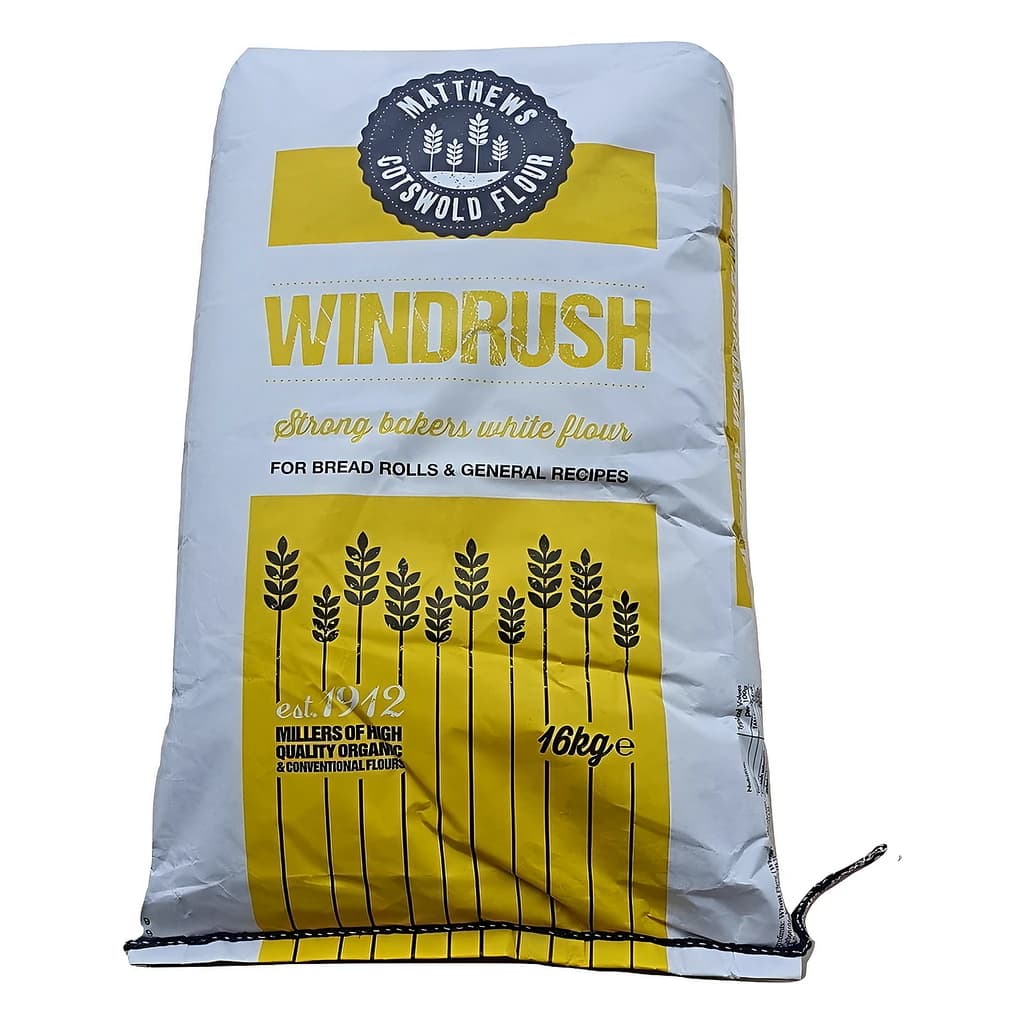
Windrush Strong White Bread Flour 16 kg
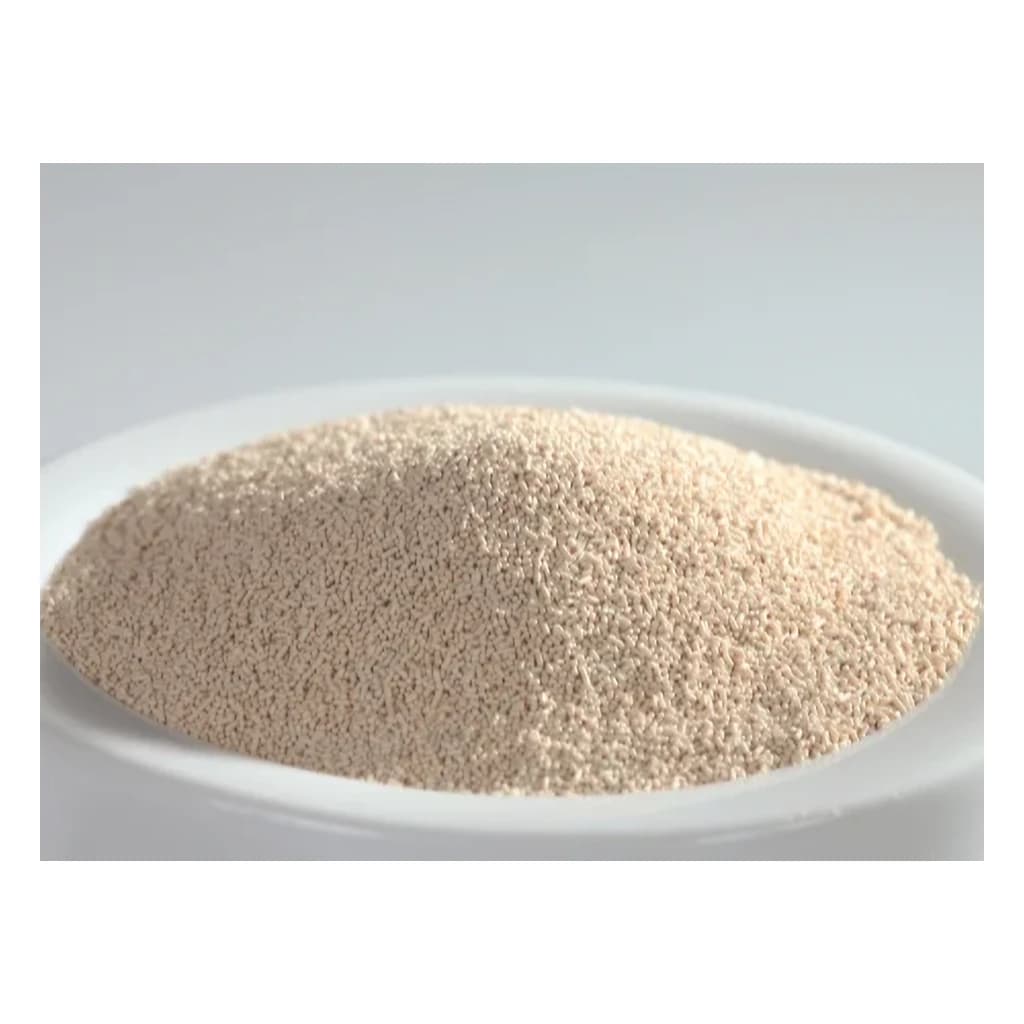
Dried Yeast Pakmaya 20 × 500 g (10 kg)
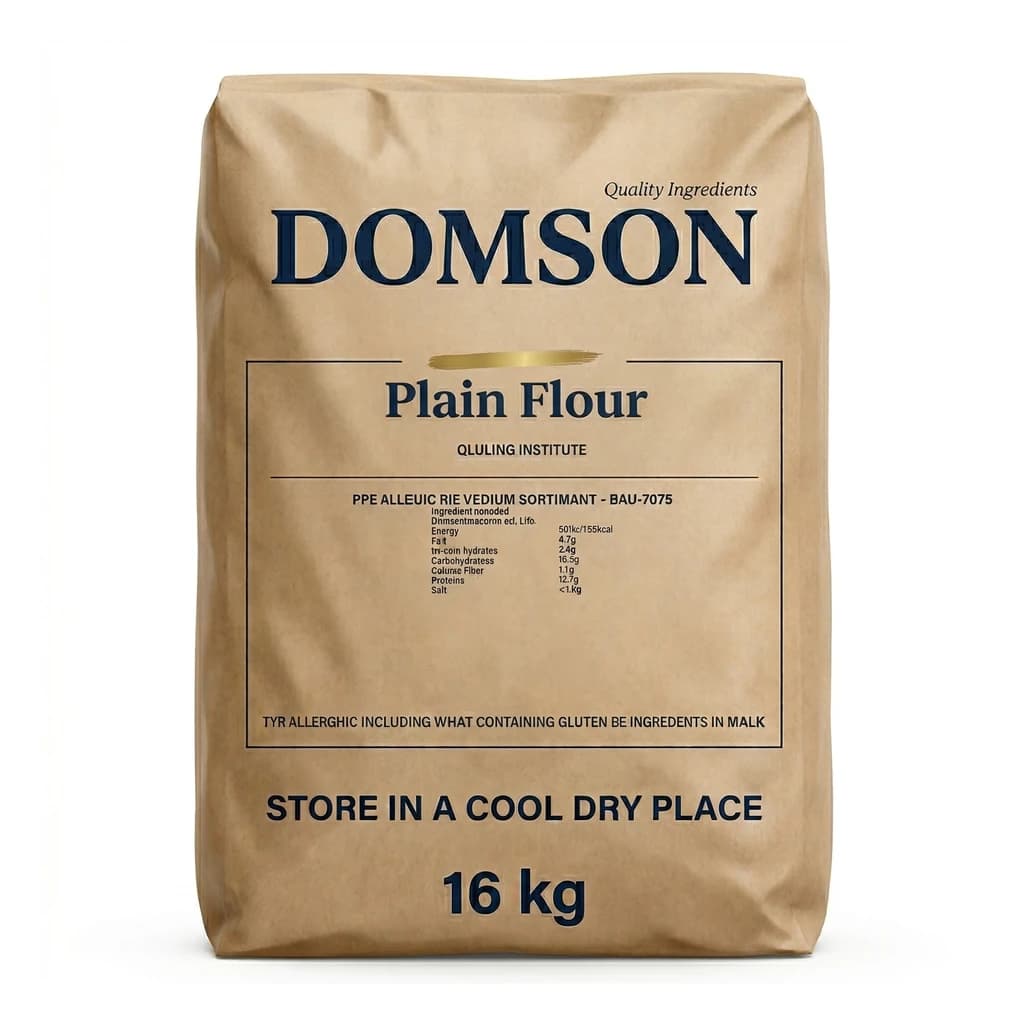
Domson Plain Flour 16 kg
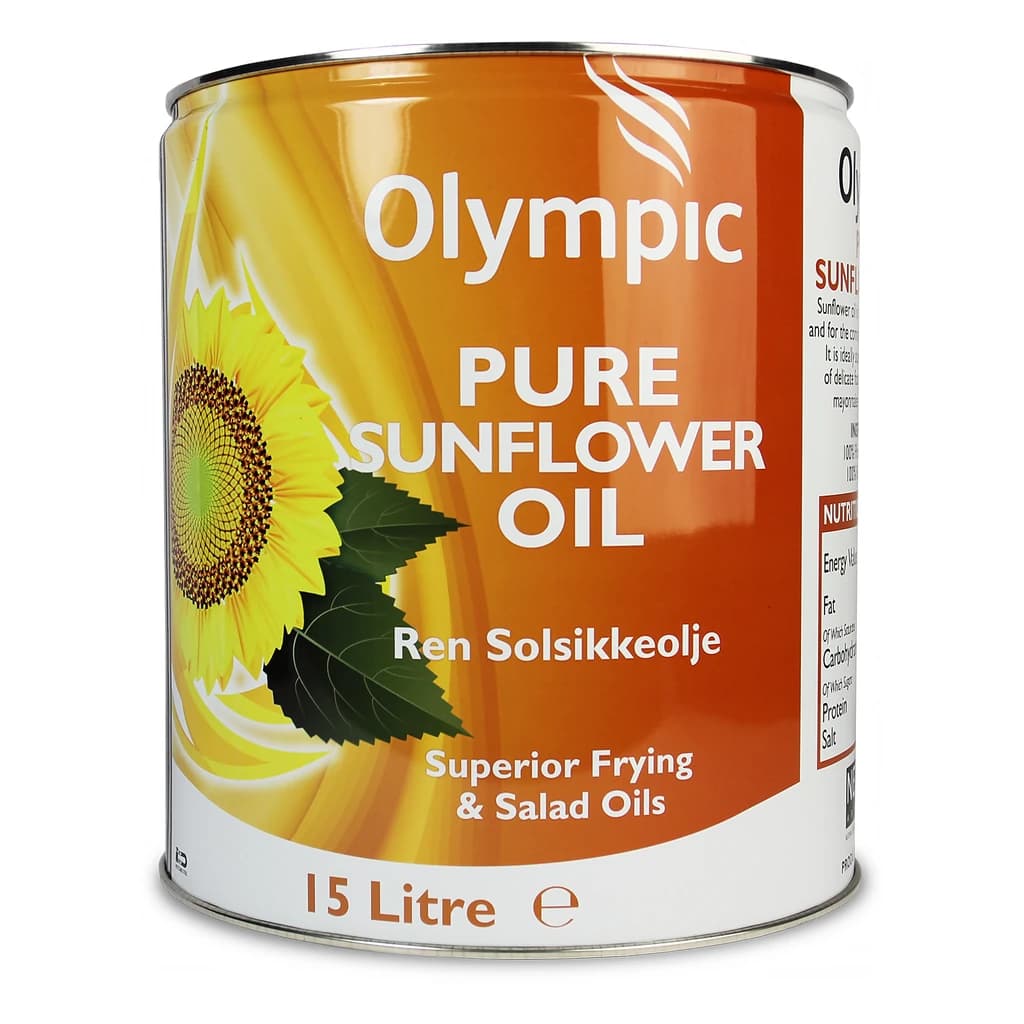
Sunflower Oil 15 L
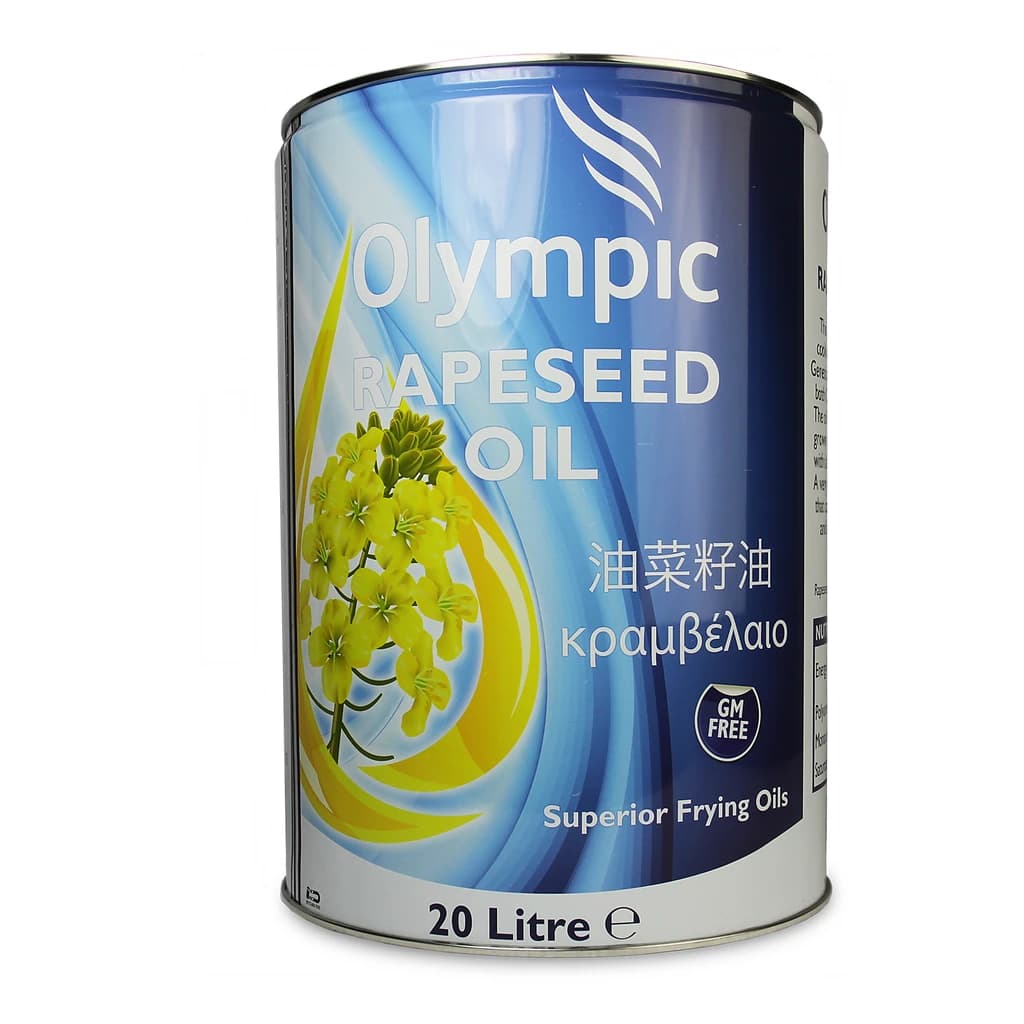
Rapeseed Oil 20 L
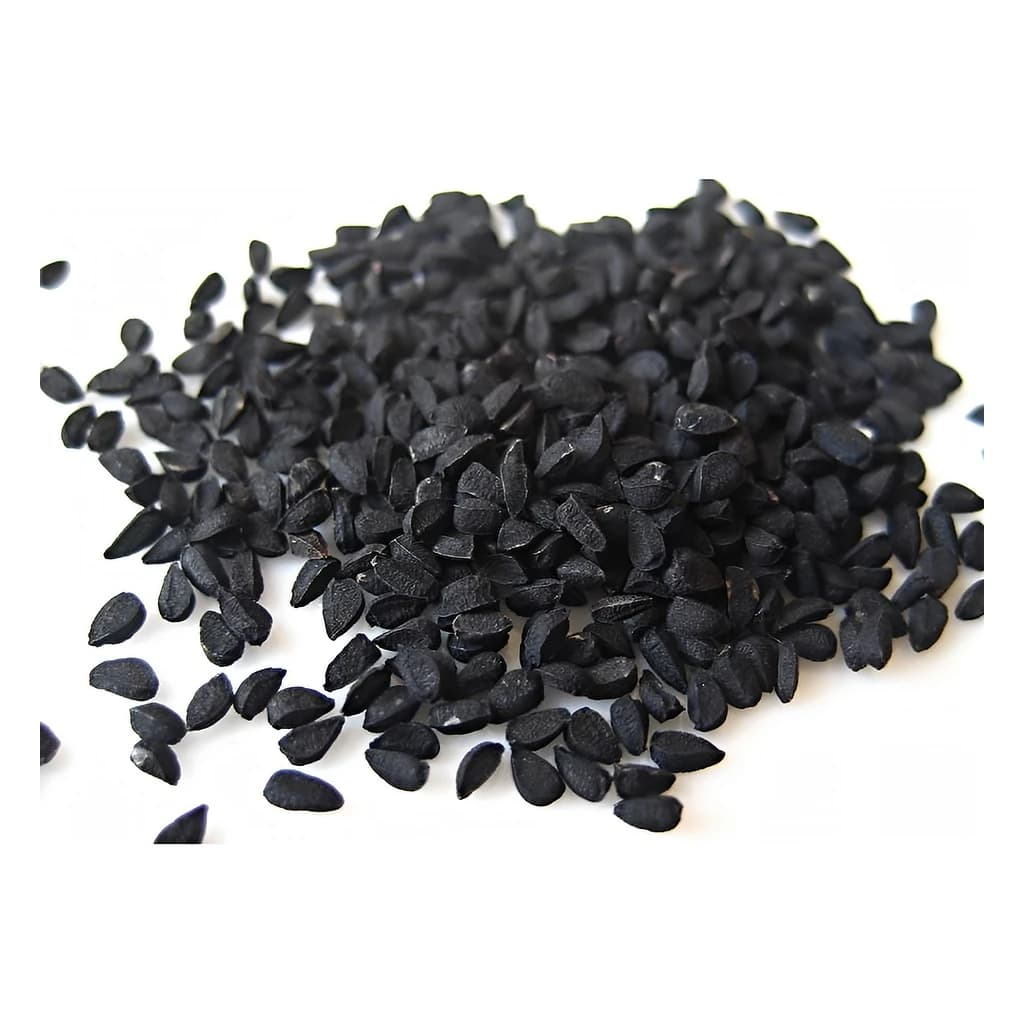
Black Seeds 5 kg
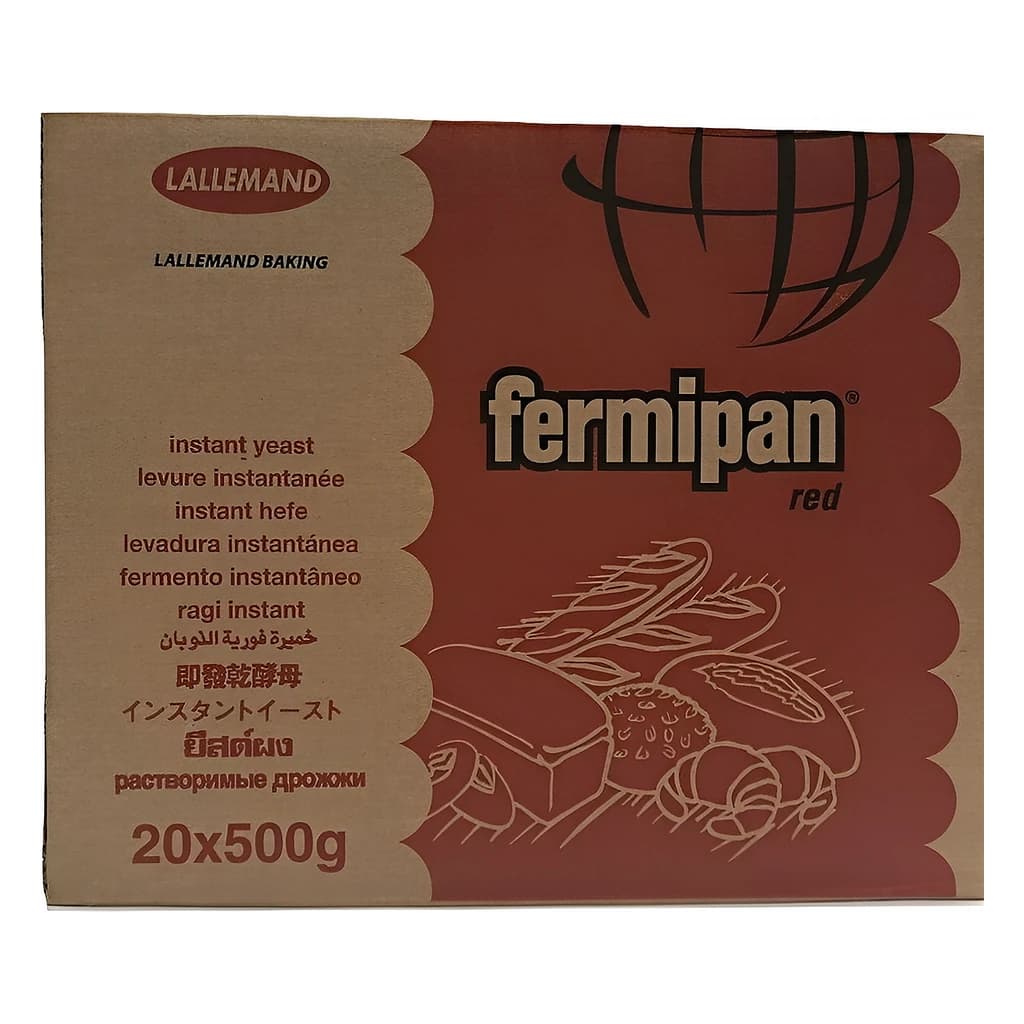
Dried Yeast Fermipan Red 10 kg
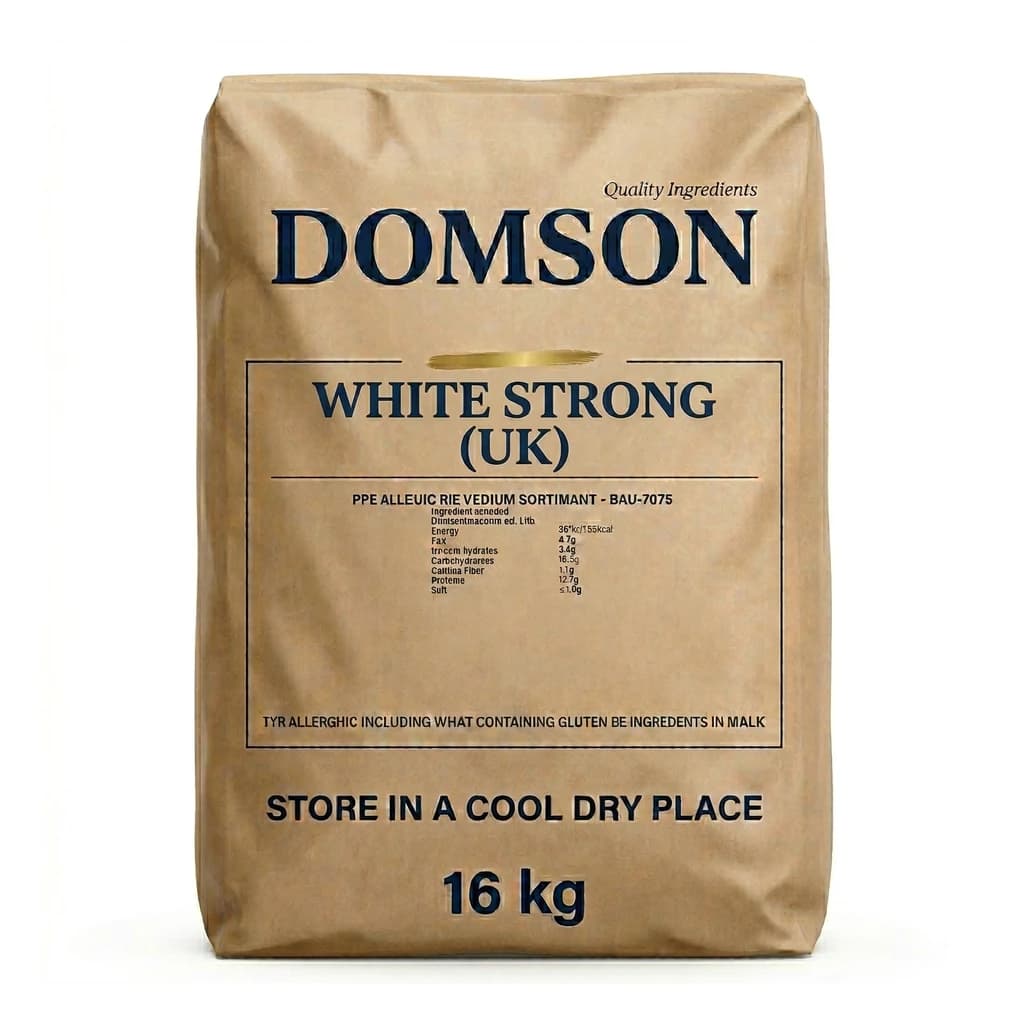
Domson White Strong Flour 16 kg (UK)
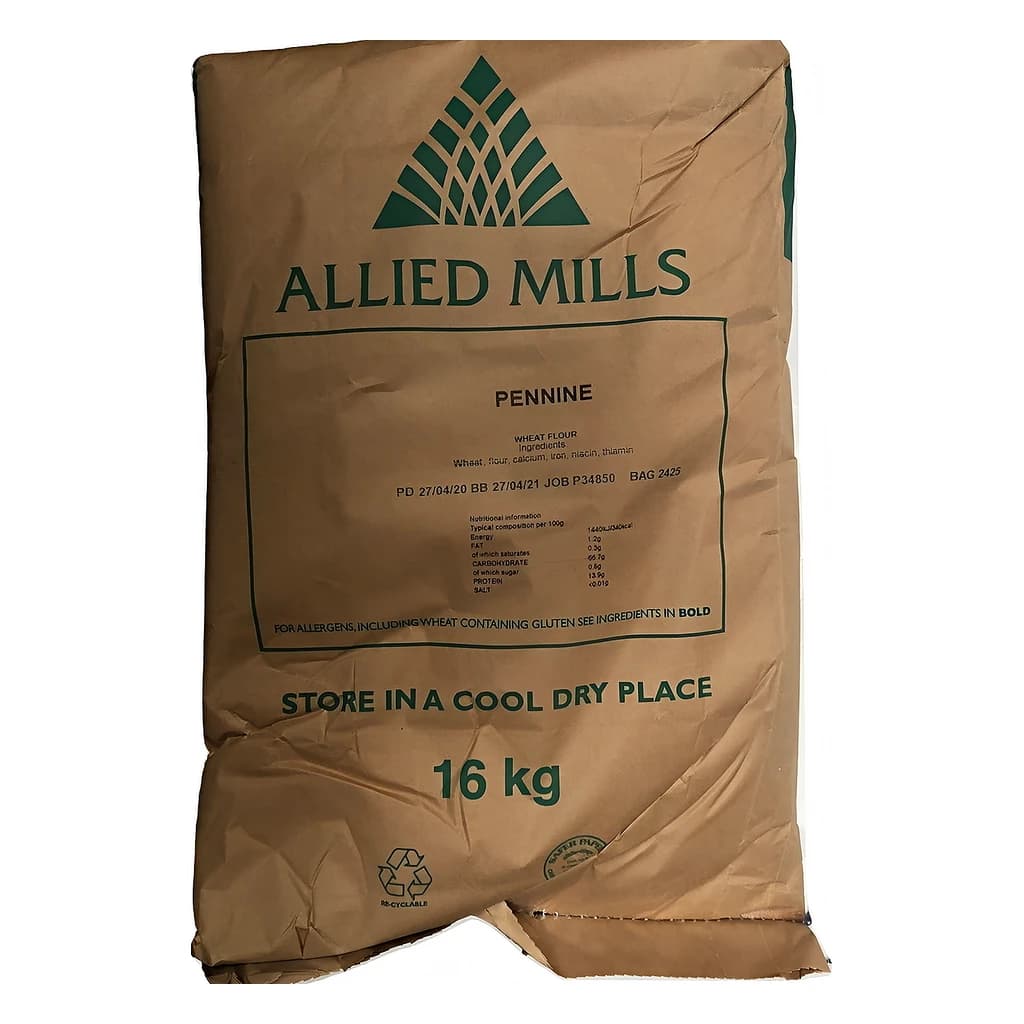
Pennine Strong White Flour 16 kg
Molasses Sugar 25 kg
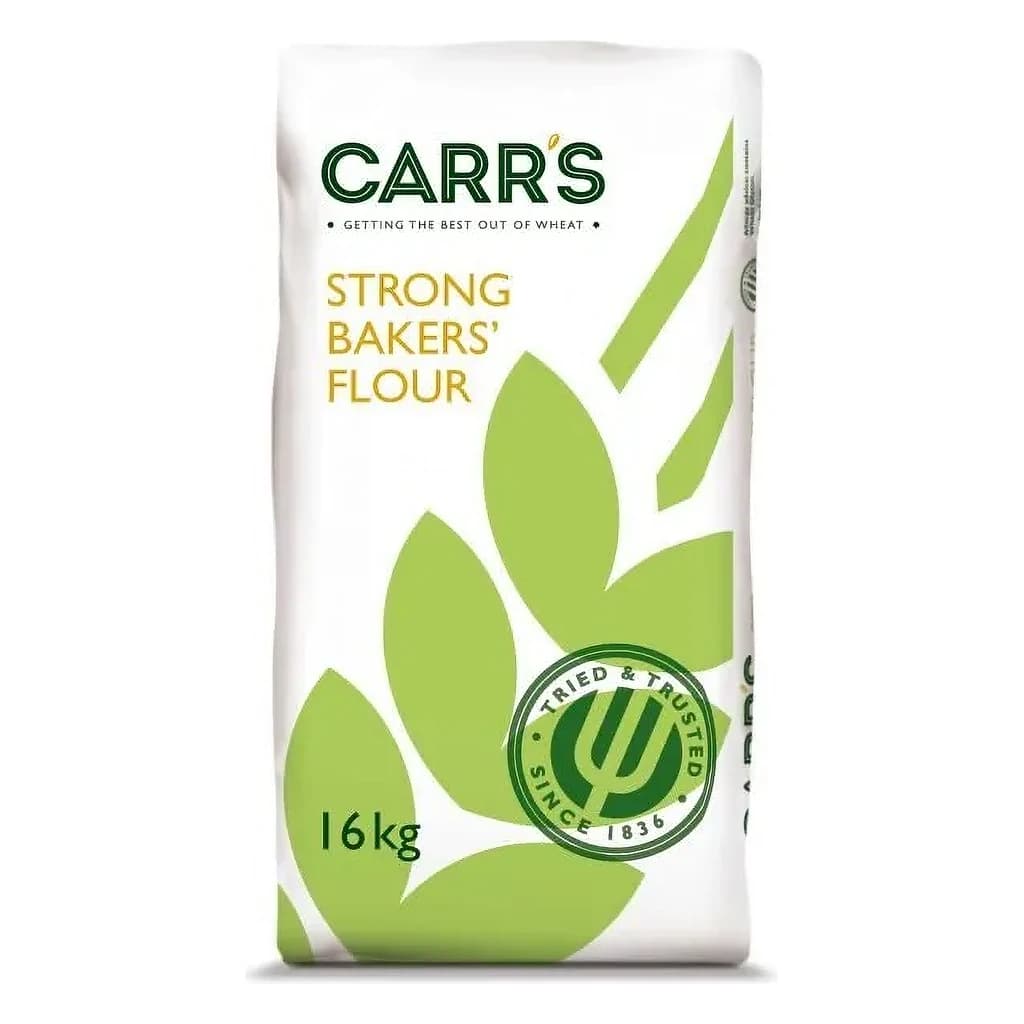
Titan Strong Bakers Flour 16 kg
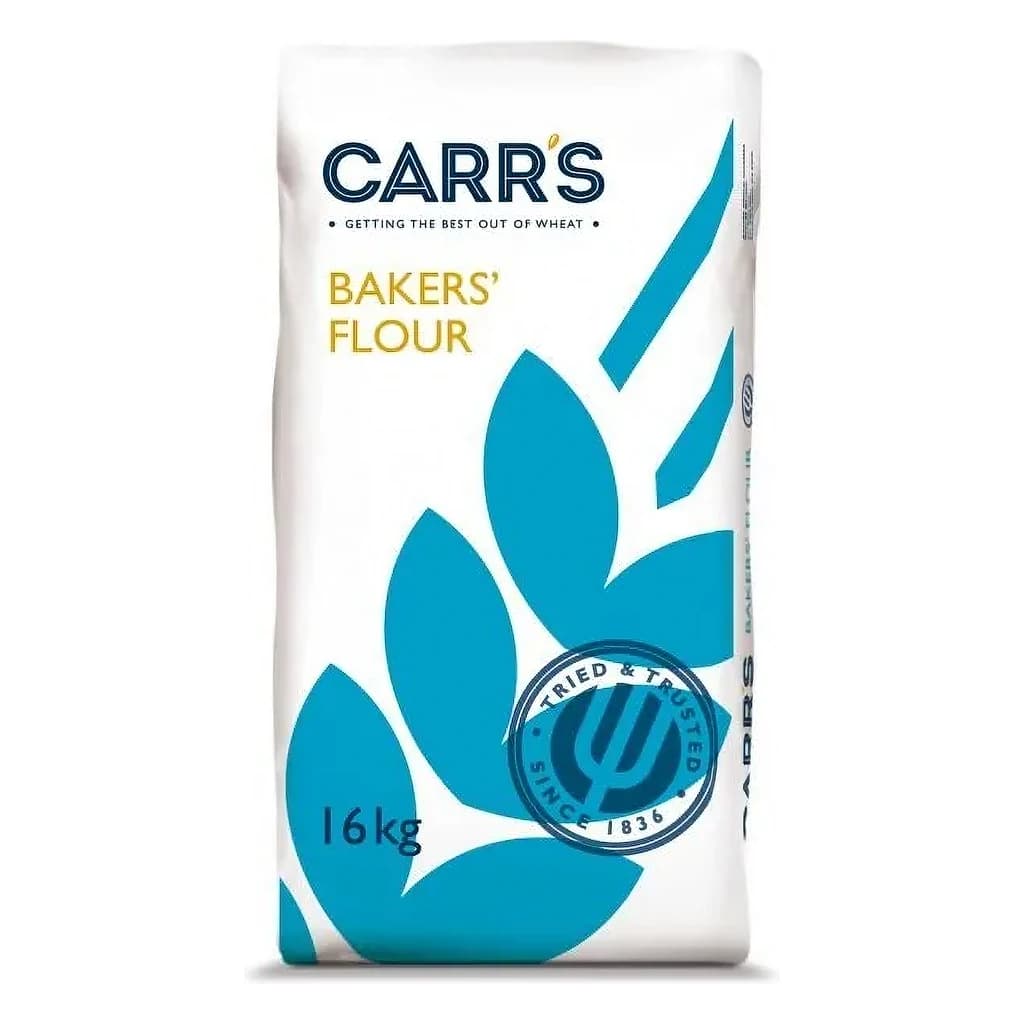
Topspin Strong White Bakers Flour 16 kg
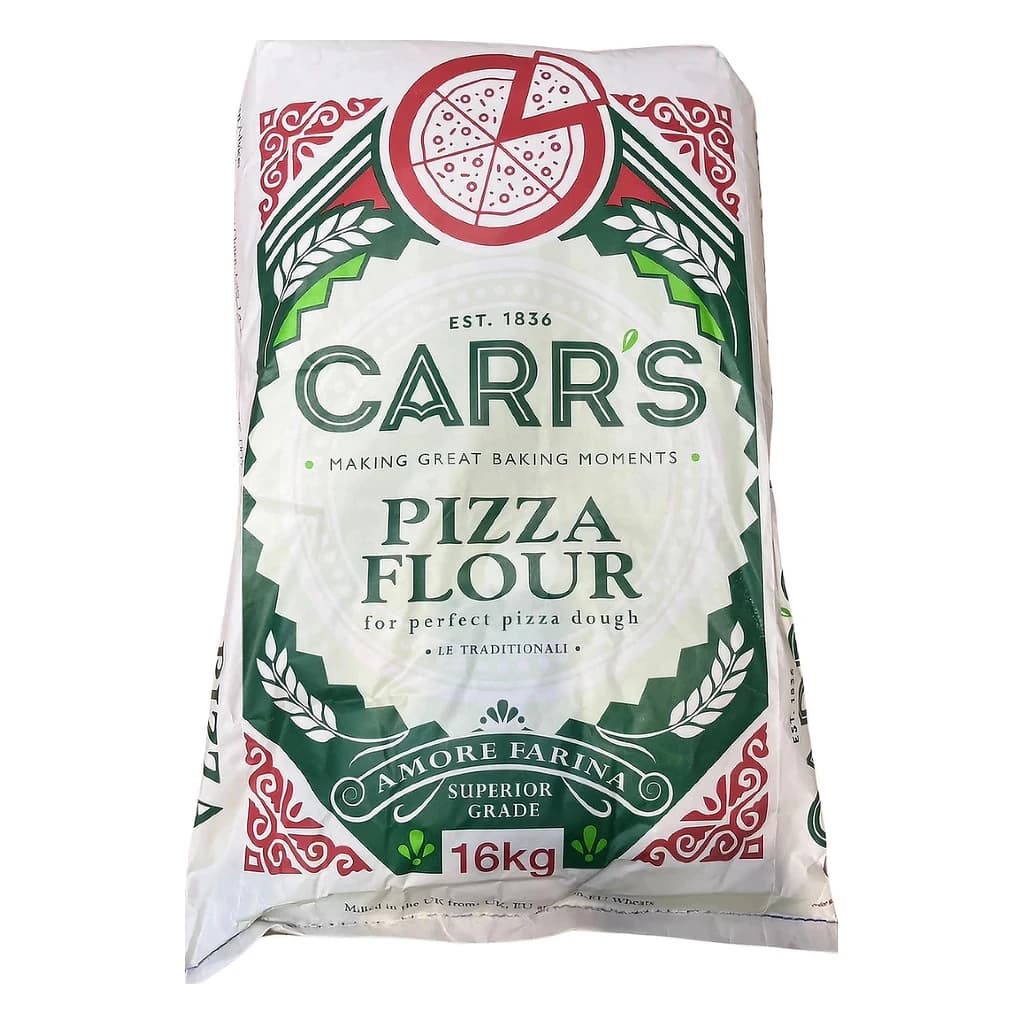
Verace Pizza Flour 16 kg
Sesame Seeds 25 kg
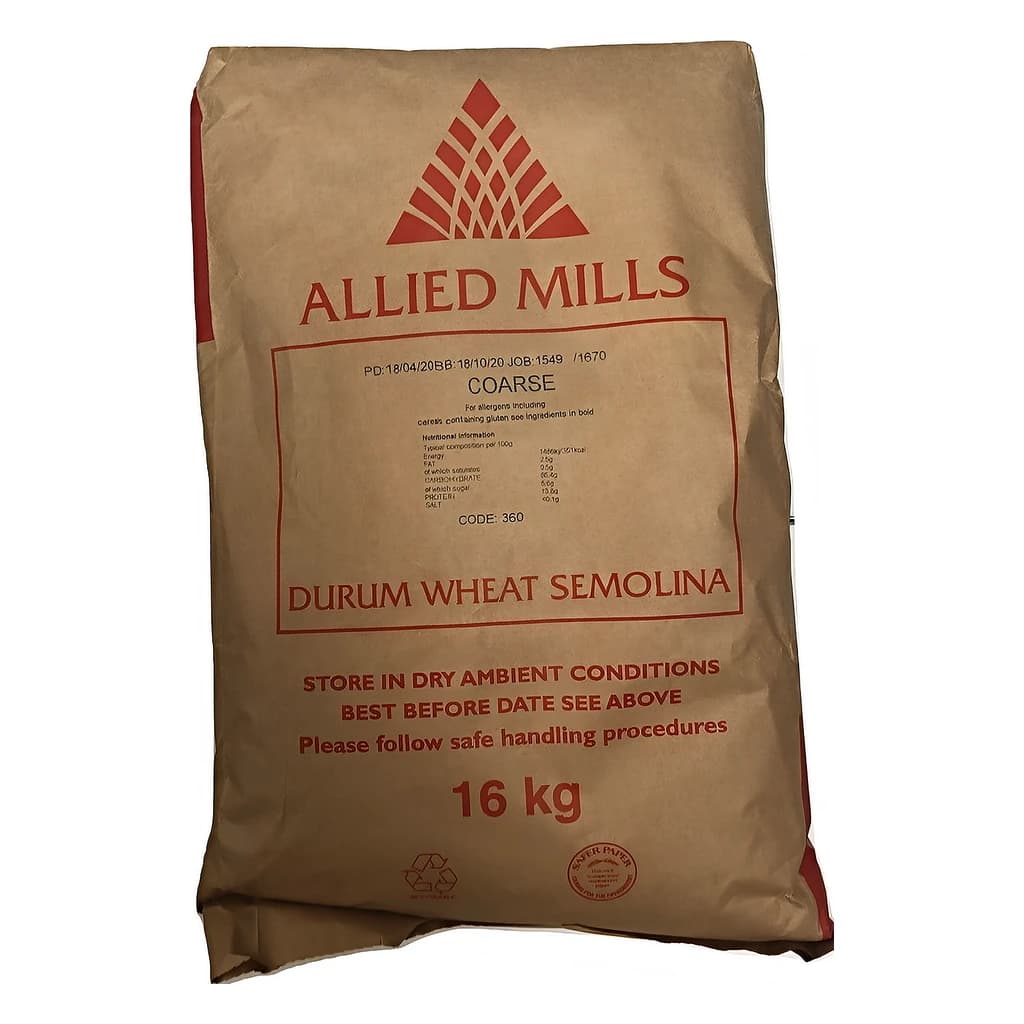
Durum Wheat Semolina 16 kg
Related reading
- Choosing the right wheat flour: bread, pastry, cake, pizza, pasta and laminated doughs
- Protein content, gluten quality and flour strength: what the numbers mean for your dough
- Fresh, Active Dry & Instant Yeast: Formats, Performance & When to Use Each
- Mixing methods compared: straight dough, sponge-and-dough, Chorleywood and activated dough development
- The baking stage: oven spring, steam injection, starch gelatinisation, Maillard reaction and crust formation
- Bread staling and shelf life: starch retrogradation, moisture migration, anti-staling enzymes and clean-label approaches
- Lean bread formulas: baguette, ciabatta and sourdough by baker's percentage
- Baker's percentage: the universal language of professional formulas
- Turkey's bread map: from somun ekmek to Vakfıkebir and regional flatbreads
- Turkish wheat flour grades: choosing the right un for ekmek, pide, baklava and börek
- Börek mastery: yufka types, layering, fillings and commercial production
- Simit and Ramazan pidesi: leavening, molasses dipping, sesame coating and oven technique
Sources
- referenceYufka Ekmek — Türkiye Turizm Ansiklopedisi (tr)
- referenceAnadolu'ya Özgü Ekmek Çeşitleri — Pakmaya Profesyoneller Dünyası (tr)
- referenceAnadolu Mutfağında Ekmeğin Yeri ve Anadolu'ya Özgü Ekmek Çeşitleri (blog) — Pakmaya Profesyoneller Dünyası (tr)
- referenceFlatbread making and sharing culture: Lavash, Katyrma, Jupka, Yufka — UNESCO Representative List of the Intangible Cultural Heritage of Humanity
- academicGeleneksel Bir Ekmek Çeşidi: Yufka Ekmeği (A Traditional Bread Type: Yufka) (tr)
- recipeGözleme Tarifi, Nasıl Yapılır? — Yemek.com (tr)
- recipeÇeşit Çeşit El Açması Gözleme Tarifi: Peynirli, Patatesli ve Ispanaklı — Karaca Blog (tr)
- recipeEn Pratik Bazlama Tarifi, Nasıl Yapılır? — Yemek.com (tr)
- recipeBazlama Tarifi — Mutfağımdan Tarifler (tr)
- brandAçılan Un (Baklavalık / Böreklik / Mantılık) — Sinangil Unları (tr)
- brandUn Çeşitleri (Baklava, Börek, Yufka, Poğaça) — Kaptanlar Un (tr)
- regulatoryTürk Gıda Kodeksi Ekmek ve Ekmek Çeşitleri Tebliği (resmi metin, TUSAF arşivi) (tr)
- trade-bodyTUSAF — Türkiye Un Sanayicileri Federasyonu (tr)
- trade-bodyTürkiye Fırıncılar Federasyonu (tr)
- recipeOzlem's Turkish Table — Recipes (börek, yufka handling, Turkish baking)
- spec-sheetFWP Matthews — Windrush (Bakers White PP) Sterling Strong Bread Flour, Full Product Specification (Rev 17)
- spec-sheetCarr's Flour (Maldon Mill) — Titan / Carr's Strong Bakers Flour, Raw Material Specification FPS026 v8
- spec-sheetCarr's Flour (Maldon Mill) — Verace Pizza Flour, Raw Material Specification (Issue 4)
- spec-sheetLesaffre — Benevia Fresh (Compressed) Baker's Yeast, Product Specification Sheet v4