
Turkey's bread map: from somun ekmek to Vakfıkebir and regional flatbreads
A practical orientation to Turkish bread for professional bakers. Where Poland sorts bread by the wheat:rye ratio, Türkiye sorts it by how it is BAKED — six technique families (oven loaf, wood-fired stone bread, tandır, sac flatbread leavened and unleavened, pide and the sesame ring). It decodes what the law actually calls each bread (the Türk Gıda Kodeksi Ekmek Tebliği: tam buğday, kepekli, çavdarlı, mısırlı, salt capped at 1.5% of dry matter), explains the Turkish 'un' grades a baker orders by purpose (ekmeklik, baklavalık, böreklik) against the Tip = ash x1000 convention, and walks the regional map: the great wood-fired sourdough Vakfıkebir ekmeği of Trabzon (ekşi maya, taş fırın, geographical indication 2018, keeps 5-15 days), the sesame-and-pekmez simit, the hand-latticed Ramazan pidesi, the paper-thin sac breads yufka and lavaş (UNESCO ICH 2016), bazlama, tandır bread, kete and Black Sea corn bread. Numeric flour and process specs are drawn first from first-party supplier datasheets and Turkish government/geographical-indication records, then cross-checked, and every family maps to ready-to-order Domson flours, yeast (Pakmaya), sourdough, sesame and corn products a Turkish baker in the UK would actually buy. Cross-links the Pillar A craft articles a Turkish baker leans on.
Turkey's bread map: from somun ekmek to Vakfıkebir and regional flatbreads
Turkish bread is not one thing, and — this is the key that unlocks the whole subject — it is not organised the way a European baker expects. Poland sorts its loaves by the wheat:rye ratio (see B1-bread-landscape). Türkiye sorts its bread by how it is baked: on a deck, in a wood-fired stone oven, slapped to the wall of a clay tandır, or seconds a side on a convex iron sac. Get the baking method right and the flour and leaven follow. For a Turkish customer base, this is the difference between "bread" and ekmeğimiz — our bread. This article is the map (see img-b2bl-01): the six working families, what the law actually calls each bread, the "un" (flour) you order by purpose, and where the great regional breads sit — from the everyday somun ekmek to the giant wood-fired sourdough Vakfıkebir ekmeği and the sac flatbreads. The deep production dives live in the sibling articles — see B2-flour-and-milling, B2-flatbreads-and-sac and B2-simit-and-ramazan-pidesi — but this is where you start.
The six families: the oven decides everything
Turkish food scholars group traditional-method breads into six technique families (see img-b2bl-03 and data.json table-bread-method-families) [src-gi-breads-research]:
- Oven loaf (somun ekmek, francala). The everyday risen wheat loaf — soft, golden, puffed. Yeast-leavened, baked on a deck. The municipal halk ekmek belongs here.
- Stone-oven bread (taş fırın ekmeği). Wood-fired hearth breads, often sourdough. The flagship is Vakfıkebir ekmeği.
- Tandır bread (tandır ekmeği). Thin rounds slapped to the wall of a clay pit oven; the bread of Eastern and South-Eastern Anatolia. Kete is baked here too.
- Leavened sac flatbread (bazlama). A round yeasted flatbread cooked on the convex iron sac.
- Unleavened sac flatbread (yufka, lavaş, katrıma). Paper-thin sheets rolled with an oklava and dried for keeping — the base of gözleme, börek and dürüm.
- Pide. The finger-dimpled round flatbread (Ramazan pidesi) and the boat-shaped filled pide.
The sesame ring simit and Black Sea mısır ekmeği (corn bread) round out the picture as their own categories. The point for a wheat-trained baker: your first decision is not "how much rye?" but "which hot surface?" — and the sac, the tandır and the wood-fired stone oven each demand a different dough and hand.
What the law calls each bread
Türkiye regulates bread tightly, and the names are legally defined. The Türk Gıda Kodeksi Ekmek ve Ekmek Çeşitleri Tebliği (Turkish Food Codex Communiqué on Bread and Bread Varieties, 2012/2, Resmî Gazete 28163) defines ekmek as wheat flour, water, salt and yeast (Saccharomyces cerevisiae), optionally with sugar or enzymes, that is kneaded, shaped, fermented and baked [src-tgk-ekmek, src-gursah-ekmek]. The composition names a baker can print are fixed (see img-b2bl-02's companion and data.json table-codex) [src-tgk-ekmek]:
- tam buğday ekmeği — 100% whole-wheat flour; tam buğday unlu ekmek — at least 60%.
- kepekli ekmek (bran) — 10–30% added bran.
- çavdarlı ekmek (rye) — at least 30% rye; mısırlı ekmek (corn) — at least 20% corn flour; yulaflı ekmek (oat) — at least 15% oat; karışık tahıllı (mixed grain) — three or more grains, each at least 5%.
Two limits matter on the bench. Salt is capped at a maximum of 1.5% in dry matter — a national salt-reduction reform, so hold your formula salt so the baked crumb stays under the line [src-tgk-ekmek, src-gursah-ekmek]. And moisture is capped by type: standard ekmek 38%, whole-wheat and corn 42%, rye/bran/oat 43% [src-tgk-ekmek]. Unpackaged retail bread must show its net weight [src-tgk-ekmek]. These are food-safety/labelling points and are flagged for human review before you print copy.
Reading Turkish flour: order by purpose, not just by number
Turkish millers grade wheat flour by ash content, and the "Tip" number is that ash in dry matter × 1000 — Tip 550 ≈ 0.55% ash, Tip 650 ≈ 0.65%, Tip 850 ≈ 0.85% [src-tgk-bugdayunu, src-flourgrades]. This is the same convention as the German 550 and the Polish T-system explained in A1-flour-classification-systems. But in practice a Turkish baker orders flour by purpose: ekmeklik un (bread), baklavalık un (baklava/yufka), böreklik/pasta un (börek/pastry), pastalık un (cake) — see img-b2bl-02 and data.json table-flour-grades.
The numbers that matter: ekmeklik un carries a legal protein floor of just 5% but is bought at protein ≈ 10.5% and wet gluten ≈ 28% or higher; böreklik/pasta un runs protein ≈ 11.5%, wet gluten ≈ 30%; special-purpose flours must be at least 7% protein [src-flourgrades]. Note the counter-intuitive one: baklavalık un is a whiter, lower-ash flour prized for extensibility — the ability to stretch tissue-thin — not for brute strength, so it sits around protein 10.5% / gluten 28% at a low Tip 550 ash [src-flourgrades]. Treat these product-grade minima as a floor to cross-check, not a target: they come from a single commercial miller and sit at the low end of the range — other millers' and academic specs quote noticeably higher protein and wet gluten for baklavalık and böreklik flours — so they are flagged single-source and verify the actual datasheet before you buy [src-flourgrades]. The full milling story is in B2-flour-and-milling; the gluten-and-strength craft is in A1-protein-gluten-and-strength.
Spec-sheet reality check. The catalogue's Type 550 wheat flour lists ash 0.51–0.58%, wet gluten 28–32%, gluten index 75–99 and falling number ≥ 220 s [ss-domson-strong550] — squarely in ekmeklik/baklavalık territory. The UK strong bread flour a Turkish baker here would reach for, Carr's Strong Bakers ("Titan"), runs protein 12.7–13.3% with water absorption 57–62%, fortified with calcium carbonate, niacin, iron and thiamine under the UK Bread and Flour Regulations 1998 plus 2.5% added wheat gluten [ss-carrs-titan]. Both are single-source datasheet figures and are flagged for review.
The regional map
Türkiye's breads track its geography (see img-b2bl-01 and data.json table-regional-map). Ten breads (and pides) carry a Türk Patent geographical indication (coğrafi işaret): Antep Tırnaklı Pidesi, Bolu Patatesli Ekmeği, Gümüşhane Ekmeği, Kalecik Ekmeği, Kızılcahamam Bazlaması, Kürtün Araköy Ekmeği, Rize Baston Ekmeği, Şanlıurfa Açık Ekmeği, Şanlıurfa Tırnaklı Ekmeği and Vakfıkebir Ekmeği [src-gi-breads-research, src-tp-ci-portal].
Vakfıkebir ekmeği — Trabzon's giant wood-fired sourdough
The flagship. Vakfıkebir ekmeği is a large round sourdough loaf from the Vakfıkebir district of Trabzon on the Black Sea coast, registered as a geographical indication on 3 August 2018 (protection effective from 30 November 2017) by Vakfıkebir Belediyesi [src-ansiklopedi-vakfikebir, src-vakfikebir-gi, src-tp-ci-portal]. Its defining feature is the katı ekşi maya — a stiff sourdough starter carried over from the previous day's dough, and no baker's yeast [src-ansiklopedi-vakfikebir]. The process is unhurried: knead 15–20 minutes, bulk ferment about 6 hours, shape, rest about an hour, then score fine 1-cm strips ("fitilleme") across the top to keep the rise even, and bake in a wood-fired stone oven (taş fırın) for 1–1.5 hours at a relatively low temperature [src-ansiklopedi-vakfikebir]. The ideal firewood is dried alder (kızılağaç), oak (meşe) and hornbeam (gürgen), which tavlar — tempers — the oven [src-vakfikebir-gi]. The loaves are large (typically ~2–2.5 kg), thick-crusted and aromatic, and they keep 5–15 days — the reason the bread exists, since it was developed as travel bread for herders making 2–3 day journeys up to the highland pastures (yayla) [src-ansiklopedi-vakfikebir, src-pakmaya-anadolu]. See img-b2bl-08, img-b2bl-09 and data.json formula-vakfikebir; the process figures are from a single encyclopedia source and are flagged. The sourdough craft is in A5-sourdough-technology and A2-sourdough-cultures-science; the wood-fired bake in A5-baking-oven-science.
To build a Vakfıkebir-style loaf from the catalogue: a strong bread flour (Domson White Strong T550, Carr's Titan) built with a firm wheat sourdough — or shortcut the acidity with Puratos O-tentic Durum sourdough concentrate — scored fitilleme and baked hard on a stone deck.
Simit — the sesame ring
The street icon. Simit is a yeasted ring bread whose defining step is a dip in diluted grape molasses (üzüm pekmezi) before it is rolled in sesame and baked — the pekmez caramelises to the deep colour and nutty sheen (see img-b2bl-04, img-b2bl-05 and data.json formula-simit) [src-ansiklopedi-simit, src-ozlem-recipe]. The name comes from Arabic samīd (fine white flour); it appears as simid-i halka (ring bread) in the 16th–17th centuries, and Evliya Çelebi's 17th-century accounts describe large wheel-sized simits in Istanbul before production shifted to today's smaller size in the late 1600s [src-ansiklopedi-simit]. The regional variants are worth knowing: Ankara Simidi and Kastamonu Simidi hold geographical indications; İzmir gevreği (called gevrek after 1930s Balkan migration) is crisper; Rize simidi is dipped in pekmez but left sesame-free and keeps longer; Nevşehir tahinli simidi is tahini-enriched [src-ansiklopedi-simit]. Its cousins abroad are the Greek koulouri, Romanian covrigi and the bagel. Build it on strong bread flour, Pakmaya yeast and sesame seeds — the deep dive is B2-simit-and-ramazan-pidesi.
Ramazan pidesi — the hand-latticed festive pide
The bread of the iftar table. Ramazan pidesi is a round, flat, yeasted bread scored by hand into a symmetrical diamond lattice — the "baklava dilimi" (baklava-slice) pattern pressed with the fingernails while the surface is still moist — then washed and finished with sesame (susam) and nigella (çörek otu) and baked with steam for a glossy top (see img-b2bl-07, img-b2bl-11 and data.json formula-ramazan-pidesi) [src-pakmaya-ramazan]. The Pakmaya professional formula is 1 kg flour : 30 g fresh yeast : 15 g salt : 800–850 ml water, with a two-stage ferment (bulk in the tank, then a chamber proof so the surface does not skin) [src-pakmaya-ramazan]. A keeping tip from the same source: cap hydration at about 700 ml/kg (~70%) and use a high-gluten flour to slow staling [src-pakmaya-ramazan]. The fingernail-marked tırnaklı surface links straight to the GI breads of Gaziantep and Şanlıurfa (Antep Tırnaklı Pidesi, Şanlıurfa Tırnaklı Ekmeği).
The sac flatbreads — yufka, lavaş, bazlama
The oldest layer of the tradition, from the Central-Asian nomadic past. On one convex iron sac a baker makes three different breads (see img-b2bl-06, img-b2bl-10 and data.json formula-yufka):
- Yufka ekmek — ince ekmek, "thin bread." Unleavened flour-water-salt dough rolled paper-thin with an oklava into circles 55–75 cm across and baked a few seconds a side; stacked and dried, it keeps for weeks and is re-softened by sprinkling water and resting 10–15 minutes [src-ansiklopedi-yufka]. It is the base of gözleme, börek and dürüm — see B2-flatbreads-and-sac and B2-borek-phyllo. The flatbread-making culture "Lavaş, Katrıma, Jupka, Yufka" was inscribed on the UNESCO Intangible Cultural Heritage list in 2016 as a joint file of Türkiye with Azerbaijan, Iran, Kazakhstan and Kyrgyzstan [src-ansiklopedi-yufka].
- Lavaş — a yeasted thin flatbread, roughly 30–40 cm × 15–20 cm × 1–1.5 cm [src-pakmaya-anadolu].
- Bazlama — a round yeasted flatbread, 20–25 cm across and about 1 cm thick, baked on the sac or in a tandır; known regionally as bezdirme (Aydın), tapıl (Eskişehir) and bazdırma (Isparta) [src-pakmaya-anadolu]. Kızılcahamam Bazlaması holds a GI.
Tandır, kete and Black Sea corn bread
Inland and on the coast, the oven changes again. Tandır ekmeği is baked against the wall of a clay pit oven across Eastern and South-Eastern Anatolia; Afyon's bread is a lavaş-type baked in a tandır [src-gi-breads-research]. Kete, of Eastern Anatolia and the Eastern Black Sea, is baked hollow or filled with kavrulmuş un (roasted flour) in the tandır [src-pakmaya-anadolu]. And the Eastern Black Sea eats mısır ekmeği — a dense yellow corn bread, often unleavened (some regions yeast it), reflecting a maize-growing coast where wheat was scarce [src-pakmaya-anadolu]. To build it from the catalogue, blend corn flour or maize grits with wheat flour for structure — the fine steamed corn flour on the platform lists 6 g protein, 7.5 g fibre and 375 kcal per 100 g [ss-agrol-corn], though authentic texture wants a coarser grind; Ireks Corn Bread Mix and Corn Bread Topping are the shortcut.
Health and label notes (flagged for review)
This is a category where allergens and food safety are load-bearing, not a footnote.
Gluten. All Turkish wheat breads contain wheat, a cereal containing gluten and a mandatory declared allergen under EU/UK Regulation 1169/2011 Annex II item 1 [ss-carrs-titan, ss-domson-strong550]. The catalogue Type 550 flour adds a may-contain soy, lupin and mustard note — both lupin (item 13) and mustard (item 10) are themselves mandatory declared allergens — and some batches carry ascorbic acid (E300) [ss-domson-strong550]. The Titan UK strong flour carries a contamination risk for barley (another gluten cereal), soya and maize from shared packing lines, and is Kosher-certified but not halal-certified — a live point for a halal Turkish bakery [ss-carrs-titan].
Toppings. Sesame (susam), used on simit and pide, is a mandatory declared allergen (Annex II item 11) [src-ansiklopedi-simit, src-pakmaya-ramazan]; the tahini in Nevşehir tahinli simidi is a sesame product and carries the same declaration [src-ansiklopedi-simit]. The egg wash on Ramazan pidesi/pide introduces egg (Annex II item 3) [src-pakmaya-ramazan]. Watch the wash you choose: the Pakmaya formula also offers a yoghurt wash, which introduces milk (Annex II item 7) and must be declared [src-pakmaya-ramazan]. Nigella (çörek otu) is not a regulated allergen but should be listed.
Corn flour. The catalogue steamed corn flour is produced on premises that also handle celery (Annex II item 9), so a may-contain-celery declaration applies [ss-agrol-corn].
Salt. Remember the codex cap — ≤ 1.5% salt in dry matter — is a public-health limit, not just a style choice [src-tgk-ekmek].
All allergen, fortification and food-safety figures here are drawn from first-party datasheets or Turkish regulation and are flagged for human review before publication.
Buy it: from family to catalogue
The whole map maps back to the order sheet (see data.json table-catalogue-map):
- Somun / halk ekmek (everyday loaf): strong bread flour — Domson White Strong T550, Carr's Titan, Topspin — with Pakmaya dried yeast or Lesaffre fresh yeast.
- Vakfıkebir / stone-oven sourdough: strong bread flour + a firm wheat ekşi maya, or the Puratos O-tentic Durum sourdough shortcut; score fitilleme and bake hard on stone.
- Ramazan pidesi / pide: strong ekmeklik flour or Italian Tipo 00 for extensibility; Pakmaya yeast; egg wash + sesame + nigella finish.
- Simit / gevrek: strong bread flour, yeast, and Sesame Seeds (Ros-Sweet) after a grape-pekmez dip — note the catalogue's Molasses Sugar is a cane product and only an approximate substitute for authentic üzüm pekmezi.
- Yufka / lavaş / bazlama (sac): strong or all-purpose wheat flour, unleavened (yufka/lavaş) or yeasted (bazlama); a little durum semolina adds bite.
- Mısır ekmeği (corn bread): Corn Flour (Agrol) or Maize Grits (Whitworth) blended with wheat, or Ireks Corn Bread Mix as a shortcut.
See data.json for the full comparison tables, formula cards (somun, Vakfıkebir, Ramazan pidesi, yufka, simit) and fault-finders, images.json for the map and process diagrams, and sources.json for every citation.
Somun ekmek — everyday Turkish wheat loaf (illustrative, baker's %)
| Ingredient | Baker's % | Weight |
|---|---|---|
| Strong ekmeklik / bread flour | 100% | |
| Water | 62-66% | |
| Fresh yeast (or ~1% instant) | 2-3% | |
| Salt | ~1.8% (finish under 1.5% of dry matter) |
- Mix to a smooth developed dough (26-27 C). Bulk ferment ~1 h, divide and round, bench rest, final proof, dock or slash, and bake with steam in a hot deck oven to a golden puffed crust. Cross-links A5-baking-oven-science for oven spring and crust.
Yield: Rounded 300-450 g loaves
The canonical Turkish town loaf: lean, soft, golden, puffed. Built on the Ekmek Tebliği definition (flour, water, salt, yeast). Salt is legally capped at 1.5% of dry matter — bakers hold ~1.8% on flour weight, which lands under the limit in the baked crumb. See A5-dough-mixing-methods and A8-lean-bread-formulas.
Vakfıkebir-style stone-oven sourdough (illustrative, from the GI description)
| Ingredient | Baker's % | Weight |
|---|---|---|
| Strong wheat flour | 100% | |
| Stiff wheat sourdough (katı ekşi maya, carried from previous dough) | 20-35% pre-fermented flour | |
| Water | 58-64% | |
| Salt | ~1.8% |
- Knead 15-20 min to a firm dough. Bulk ferment ~6 h. Shape a large round; rest ~1 h. Score fine 1-cm strips ('fitilleme') across the top to keep the rise even. Bake in a wood-fired stone oven (ideal fuel: dried alder/oak/hornbeam) at a relatively low temperature for 1-1.5 h to a thick hard crust. The sourdough acidity and thick crust give the 5-15 day shelf life.
Yield: One large ~2-2.5 kg round
Reconstructed from the GI/encyclopedia description — NOT the certified production recipe. The defining moves are the firm carried-over sourdough, the long 6-hour ferment, the 'fitilleme' 1-cm scoring to control rise, and the low-and-slow wood-fired stone bake. See A5-sourdough-technology, A2-sourdough-cultures-science and A5-baking-oven-science.
Ramazan pidesi — round lattice pide (professional, from Pakmaya)
| Ingredient | Baker's % | Weight |
|---|---|---|
| Strong / high-gluten wheat flour | 100% (1 kg) | |
| Water | 80-85% (700 ml for longer keeping) | |
| Fresh yeast (Pakmaya) | 3% (30 g) | |
| Salt | 1.5% (15 g) | |
| Wash: egg / yolk / flour-water slurry / yoghurt | to finish | |
| Topping: sesame (susam) + nigella (çörek otu) | to finish |
- Mix to a soft dough; bulk ferment in a tank, then a chamber proof so the surface does not skin. Flatten into a round, press a symmetrical diamond lattice with the fingernails at right angles ('baklava dilimi' pattern) while the surface is moist. Brush the wash, scatter sesame and nigella, and bake with steam in a hot stone/matador/rotary oven to a glossy deep-golden top.
Yield: Round flat pides
Manufacturer professional formula. The signature is the hand-scored diamond 'baklava dilimi' lattice and the glossy egg-and-seed top. Shelf-life tip: cap hydration at ~700 ml/kg (~70%) and use high-gluten flour to slow staling — the base recipe's 800-850 ml is for a softer, fresher-eating crumb. See B2-simit-and-ramazan-pidesi.
Yufka ekmek — unleavened sac flatbread (illustrative, baker's %)
| Ingredient | Baker's % | Weight |
|---|---|---|
| Wheat flour (all-purpose to strong) | 100% | |
| Water | 45-52% | |
| Salt | ~1.5% |
- Knead a firm dough; divide into balls and rest under a damp cloth. Roll each ball out very thin (55-75 cm) with an oklava. Bake a few seconds per side on a hot sac until dry and lightly spotted. Stack under cloth; re-soften before serving by sprinkling water and resting 10-15 min.
Yield: Thin 55-75 cm sheets
Unleavened; the skill is in the rolling and the sac, not the fermentation. Rolled paper-thin on an açma tahtası with an oklava and cooked seconds a side on a convex iron sac. Dry yufka stores for weeks and is re-softened with a sprinkle of water. UNESCO ICH (2016). Base for gözleme, börek and dürüm — see B2-flatbreads-and-sac and B2-borek-phyllo.
Simit / gevrek — sesame ring (illustrative, baker's %)
| Ingredient | Baker's % | Weight |
|---|---|---|
| Strong wheat flour | 100% | |
| Water | ~55-60% | |
| Fresh yeast | 2-3% | |
| Salt | ~1.5% | |
| Dip: grape molasses (pekmez) + water | to coat | |
| Coating: sesame seeds | to coat |
- Make a firm yeasted dough; divide, roll two thin strands and twist into a ring. Dip each ring in dilute pekmez, then press into sesame. Proof briefly and bake hot until deep golden and crisp-crusted.
Yield: Rings ~80-120 g
The defining step is the dip: shaped rings are bathed in diluted grape molasses (üzüm pekmezi) then rolled in sesame before baking, which caramelises to the deep colour and nutty sheen. Rize simidi skips sesame; İzmir gevreği is crisper. See B2-simit-and-ramazan-pidesi. Sesame is a declared allergen (flagged).
Unlike Poland's four flour-ratio families, Turkish bread sorts most usefully by BAKING METHOD and shape. Turkish food scholars group traditional-method breads into six technique families; get the method right and the flour/leaven follow.
| Family | Turkish name(s) | Leaven | Bake surface | Typical shape | Examples | Sources |
|---|---|---|---|---|---|---|
| Loaf / oven bread | somun ekmek, francala | Yeast (some ekşi maya) | Deck / rack oven | Rounded or long risen loaf, golden puffed crust | Everyday somun; halk ekmek; francala | src-pakmaya-anadolu, src-tgk-ekmek |
| Stone-oven bread | taş fırın ekmeği | Sourdough (ekşi maya) or yeast | Wood-fired stone hearth | Large round, thick crust | Vakfıkebir ekmeği; Gümüşhane ekmeği | src-ansiklopedi-vakfikebir, src-gi-breads-research |
| Tandır bread | tandır ekmeği | Yeast or unleavened | Clay pit oven (tandır) | Thin round slapped to the wall | Eastern/SE Anatolian tandır ekmeği; Afyon (lavaş-type in a tandır) | src-gi-breads-research, src-pakmaya-anadolu |
| Sac flatbread (leavened) | bazlama | Yeast | Sac (convex iron griddle) | Round, 20-25 cm, ~1 cm thick | Bazlama (bezdirme/tapıl/bazdırma); Malatya ekşili | src-pakmaya-anadolu, src-gi-breads-research |
| Sac flatbread (unleavened) | yufka, lavaş, katrıma | Unleavened | Sac (convex iron griddle) | Very thin sheet, 55-75 cm; lavaş 30-40 cm | Yufka (base for gözleme, börek, dürüm); lavaş | src-ansiklopedi-yufka, src-pakmaya-anadolu |
| Pide (flat / boat) | pide, Ramazan pidesi | Yeast | Deck / stone oven | Round finger-dimpled flatbread; or boat-shaped filled pide | Ramazan pidesi; Antep Tırnaklı Pidesi; Karadeniz pide | src-pakmaya-ramazan, src-gi-breads-research |
| Ring bread | simit, gevrek | Yeast (sometimes chickpea leaven) | Deck oven | Sesame-coated ring dipped in pekmez | İstanbul simidi; Ankara/Kastamonu simidi; İzmir gevreği | src-ansiklopedi-simit |
| Corn bread | mısır ekmeği, mısır çöreği | Often unleavened; some yeasted | Tin / stone oven / sac | Dense yellow loaf or round | Eastern Black Sea mısır ekmeği | src-pakmaya-anadolu |
The Turkish Food Codex Communiqué on Bread and Bread Varieties (2012/2, Resmi Gazete 28163) fixes the composition names a baker can legally print. Cross-links A1-flour-classification-systems for how these grains behave.
| Legal name | Turkish | Requirement | Sources |
|---|---|---|---|
| Bread | ekmek | Wheat flour + water + salt + yeast (S. cerevisiae); optional sugar/enzymes; kneaded, shaped, fermented, baked | src-tgk-ekmek, src-gursah-ekmek |
| Whole-wheat bread | tam buğday ekmeği | 100% whole-wheat flour | src-tgk-ekmek, src-gursah-ekmek |
| Whole-wheat-flour bread | tam buğday unlu ekmek | Min 60% whole-wheat flour | src-tgk-ekmek, src-gursah-ekmek |
| Bran bread | kepekli ekmek | 10-30% bran added | src-tgk-ekmek, src-gursah-ekmek |
| Rye bread | çavdarlı ekmek | Min 30% rye flour/products | src-tgk-ekmek, src-gursah-ekmek |
| Corn bread | mısırlı ekmek | Min 20% corn flour | src-tgk-ekmek, src-gursah-ekmek |
| Oat bread | yulaflı ekmek | Min 15% oat products | src-tgk-ekmek, src-gursah-ekmek |
| Mixed-grain bread | karışık tahıllı ekmek | 3+ grains, each min 5% | src-tgk-ekmek, src-gursah-ekmek |
| Salt limit (all bread) | tuz | Max 1.5% in dry matter | src-tgk-ekmek, src-gursah-ekmek |
| Moisture limit | rutubet | Standard 38%; whole-wheat & corn 42%; rye/bran/oat 43% | src-tgk-ekmek, src-gursah-ekmek |
Named regional breads with their province, defining method and protected status. Authentic Turkish names preserved with diacritics. GI = Türk Patent geographical indication.
| Bread | Region / province | Method | Distinctive feature | Protected status | Sources |
|---|---|---|---|---|---|
| Vakfıkebir ekmeği | Trabzon (Black Sea) | Ekşi maya (sourdough); wood-fired taş fırın | Large ~2-2.5 kg round, thick crust, keeps 5-15 days | GI 2018 | src-ansiklopedi-vakfikebir, src-vakfikebir-gi |
| Şanlıurfa Açık Ekmeği | Şanlıurfa (SE Anatolia) | Yeast; stone/deck oven | Large thin open round | GI | src-gi-breads-research, src-tp-ci-portal |
| Şanlıurfa Tırnaklı Ekmeği | Şanlıurfa (SE Anatolia) | Yeast; deck oven | Fingernail-dimpled ('tırnak') surface | GI | src-gi-breads-research, src-tp-ci-portal |
| Antep Tırnaklı Pidesi | Gaziantep (SE Anatolia) | Yeast; stone oven | Fingernail-marked flat pide | GI | src-gi-breads-research, src-tp-ci-portal |
| Bazlama (bezdirme/tapıl) | Çukurova, Aegean, Central Anatolia | Yeast; sac | Round 20-25 cm, ~1 cm thick | Kızılcahamam Bazlaması: GI | src-pakmaya-anadolu, src-gi-breads-research |
| Mısır ekmeği | Eastern Black Sea | Often unleavened; tin/stone | Dense yellow corn loaf | — | src-pakmaya-anadolu |
| Kete | Eastern Anatolia / E. Black Sea | Tandır; roasted-flour filling | Hollow or kavrulmuş un-filled | — | src-pakmaya-anadolu |
| Bolu Patatesli Ekmeği | Bolu (W. Black Sea) | Yeast; with potato | Potato-enriched loaf | GI | src-gi-breads-research, src-tp-ci-portal |
| Gümüşhane / Kürtün Araköy / Kalecik ekmeği | NE & Central Anatolia | Sourdough/yeast; stone oven | Regional keeping loaves | GI | src-gi-breads-research, src-tp-ci-portal |
| Rize Baston Ekmeği | Rize (E. Black Sea) | Yeast | Baton loaf | GI | src-gi-breads-research, src-tp-ci-portal |
| İstanbul simidi / Ankara-Kastamonu simidi / İzmir gevreği | Istanbul, Ankara, Kastamonu, İzmir | Yeast; pekmez dip + sesame; deck oven | Sesame ring; regional sizes/crumb | Ankara & Kastamonu simidi: GI | src-ansiklopedi-simit, src-tp-ci-portal |
Turkey grades flour by ash (Tip = ash% x1000, same convention as A1-flour-classification-systems) but bakers order by PURPOSE: ekmeklik, baklavalık, böreklik, pastalık. Note the counter-intuitive point: baklavalık un is a whiter, lower-ash flour prized for extensibility, not brute strength. Product minima flagged single-source; cross-check A1.
| Turkish grade | For | Ash / Tip | Protein (d.m.) | Wet gluten | Catalogue analogue | Sources |
|---|---|---|---|---|---|---|
| Ekmeklik un | Everyday bread (somun, pide) | ~Tip 650 (ash max 0.65%) | min 10.5% (legal floor 5%) | min 28% | Domson White Strong Wheat Flour T550; Titan Strong Bakers | src-flourgrades, ss-domson-strong550, ss-carrs-titan |
| Baklavalık un | Baklava / yufka (tissue-thin stretch) | Whiter, ~Tip 550 (ash max 0.55%) | min 10.5% | min 28% | Windrush / Coniston strong white; see B2-borek-phyllo | src-flourgrades, ss-domson-strong550 |
| Böreklik / pasta un | Börek, poğaça, pastry | ~Tip 550-650 | min 11.5% | min 30% | Strong white flours; Tipo 00 for extensible sheets | src-flourgrades |
| Tam buğday unu | Whole-wheat & bran breads | High ash, whole grain | high | — | Wholemeal/graham flours (see B1 flours) | src-tgk-ekmek |
| Mısır unu | Corn bread (mısır ekmeği) | Corn, not wheat | ~6% (corn) | n/a (no gluten) | Agrol Corn Flour; Whitworth Maize Grits | ss-agrol-corn |
| İrmik (semolina) | Dusting, semolina products | Durum, coarse | min 11% (d.m.) | — | Allied Mills Durum Wheat Semolina; Extra Coarse Semolina | ss-allied-durum |
Maps each Turkish bread to ready-to-order Domson flours, yeasts, sourdough and toppings a Turkish baker in the UK would actually use. Gaps flagged honestly.
| You are baking | Flour | Leaven | Topping / finish | Sources |
|---|---|---|---|---|
| Somun / halk ekmek (everyday loaf) | Strong bread flour: Domson White Strong T550, Titan Strong Bakers, Topspin | Pakmaya dried yeast or Lesaffre fresh yeast | — | ss-domson-strong550, ss-carrs-titan |
| Vakfıkebir / stone-oven sourdough | Strong bread flour + a firm ekşi maya | Build a stiff wheat sourdough; shortcut with Puratos O-tentic Durum sourdough | Score 'fitilleme'; bake hot stone/deck | src-ansiklopedi-vakfikebir, ss-carrs-titan |
| Ramazan pidesi / pide | Strong ekmeklik or Tipo 00 pizza flour (extensible) | Pakmaya / fresh yeast | Egg wash + sesame (susam) + nigella (çörek otu) | src-pakmaya-ramazan |
| Simit / gevrek | Strong bread flour | Pakmaya / fresh yeast | Sesame seeds (Ros-Sweet) after a grape-pekmez dip; Molasses Sugar is only an approximate substitute | src-ansiklopedi-simit, ss-domson-strong550 |
| Yufka / lavaş / bazlama (sac) | Strong or all-purpose wheat flour; add a little durum for bite | Unleavened (yufka/lavaş) or yeast (bazlama) | — | src-ansiklopedi-yufka, src-pakmaya-anadolu |
| Mısır ekmeği (corn bread) | Corn flour / maize grits (+ some wheat for structure) | Often unleavened; or yeast | Ireks Corn Bread Topping; Ireks Corn Bread Mix as a shortcut | ss-agrol-corn, src-pakmaya-anadolu |
| Fault | Likely cause | Remedy | Sources |
|---|---|---|---|
| Pide/somun stales in a day | Hydration too high for the flour; weak gluten | Use high-gluten flour; cap Ramazan pidesi hydration ~70% (700 ml/kg) | src-pakmaya-ramazan, ss-carrs-titan |
| Ramazan pidesi surface skins/cracks before bake | Dough surface dried during proof | Second-proof in a humid chamber; keep the surface moist before scoring/washing | src-pakmaya-ramazan |
| Simit pale, matte, sesame falls off | Skipped or too-thin pekmez dip; dry surface at coating | Dip in dilute grape pekmez then press into sesame while wet; bake hot | src-ansiklopedi-simit, src-ozlem-recipe |
| Yufka tears / uneven thickness | Under-rested dough; uneven rolling | Rest balls under damp cloth; roll evenly with the oklava; correct sac heat | src-ansiklopedi-yufka |
| Vakfıkebir loaf dense / bakes unevenly, cracks | Weak or young sourdough; over-hot oven; no fitilleme | Mature the katı ekşi maya; low-and-slow stone bake; score 1-cm fitilleme strips | src-ansiklopedi-vakfikebir |
| Corn bread crumbly, won't hold | No gluten in corn; grind too fine | Blend corn with wheat flour for structure; use a coarser cornmeal for texture | ss-agrol-corn, src-pakmaya-anadolu |
| Bread over the legal salt limit | Recipe salt too high | Hold formula salt so the baked crumb stays under 1.5% of dry matter | src-tgk-ekmek |
Buy the ingredients
Catalogue products and brands referenced in this article.
Corn Flour 25 kg
Italian Tipo 00 Pizza Flour 25 kg
Sesame Seeds 25 kg
Fresh Yeast Benevia 10 kg
Windrush Strong White Bread Flour 16 kg
Dried Yeast Pakmaya 20 × 500 g (10 kg)
Centurion Canadian Very Strong Flour 16 kg
Domson White Strong Wheat Flour 25 kg
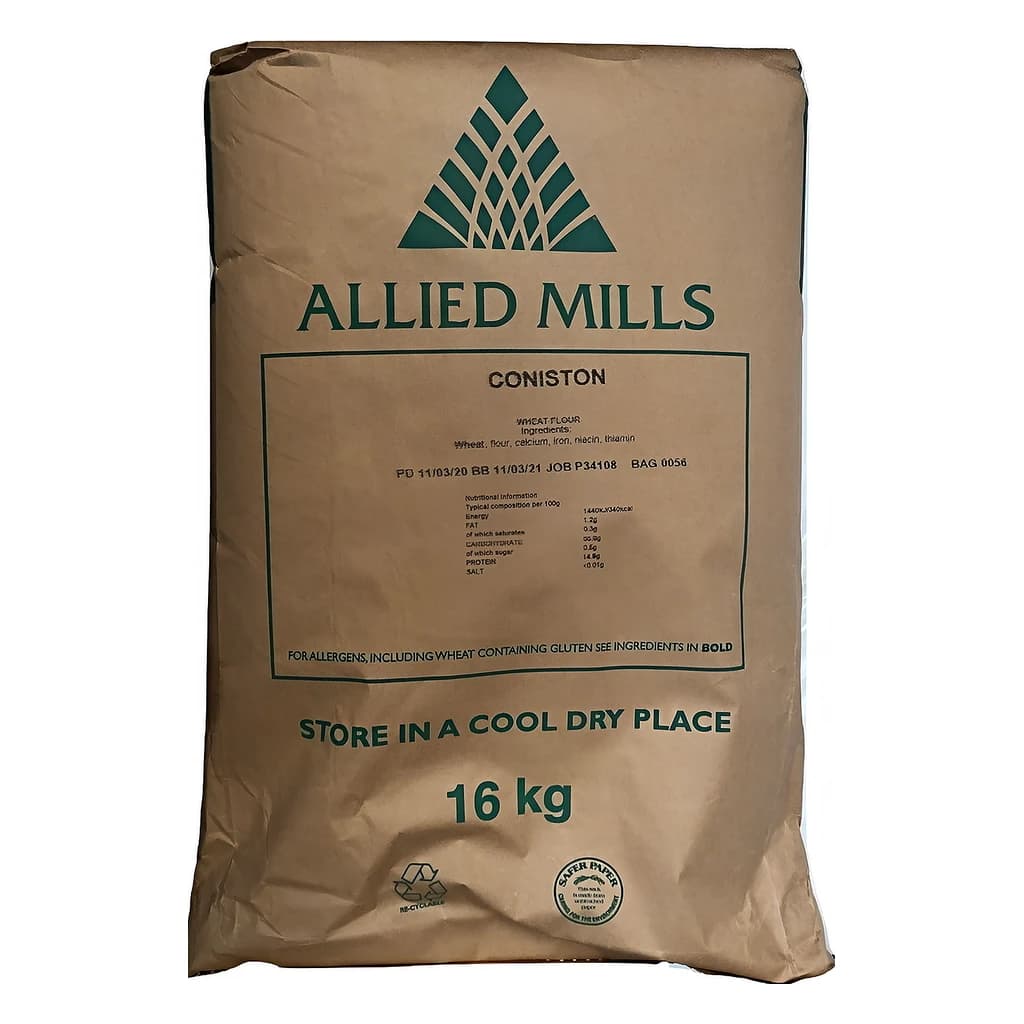
Coniston Strong White Flour 16 kg
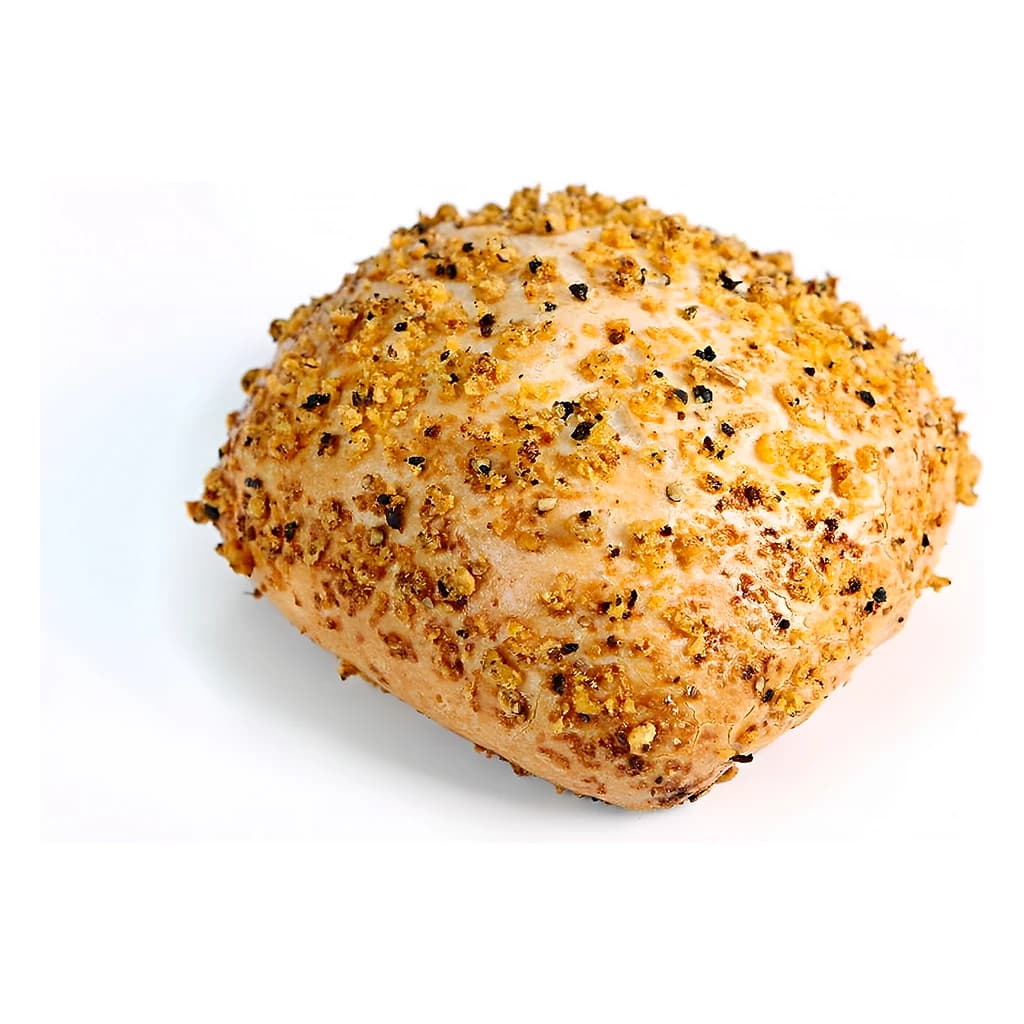
Ireks Corn Bread Topping 8 kg
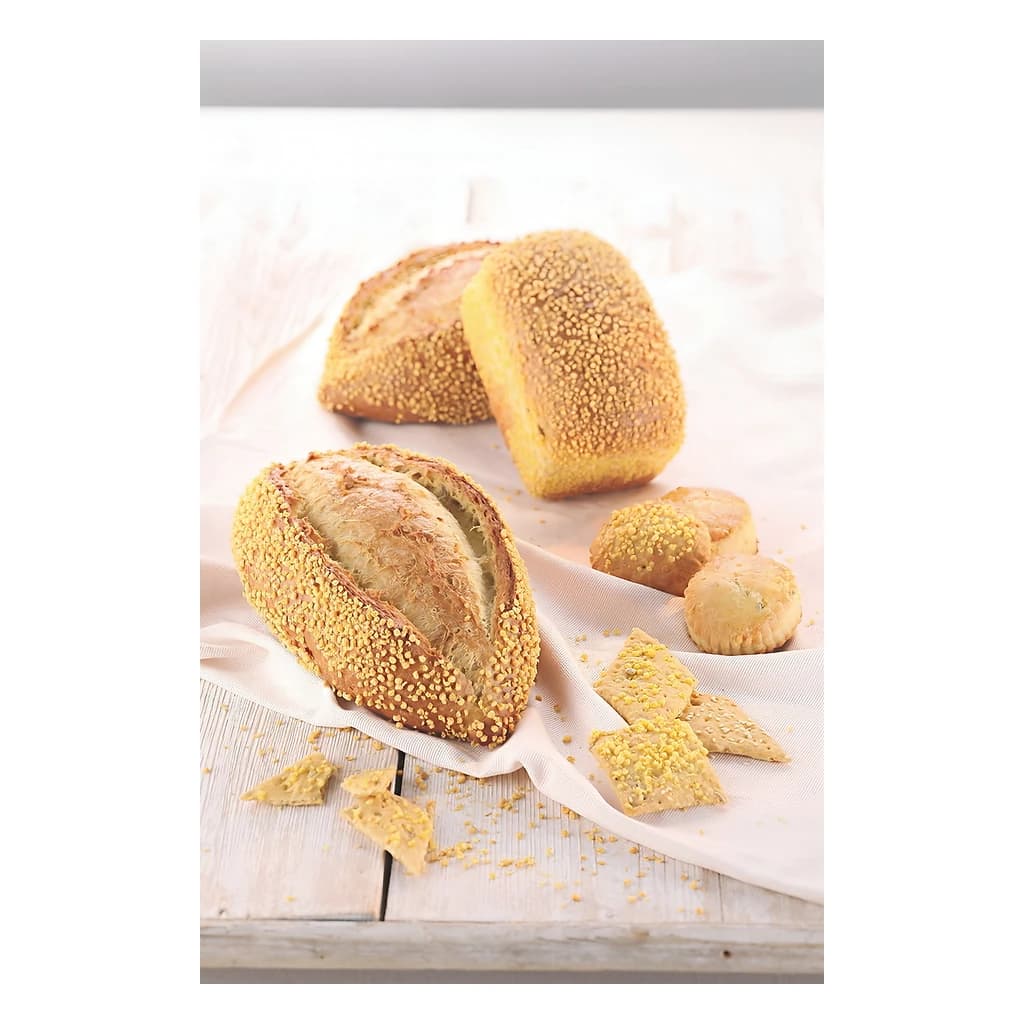
Ireks Corn Bread Mix 12.5 kg
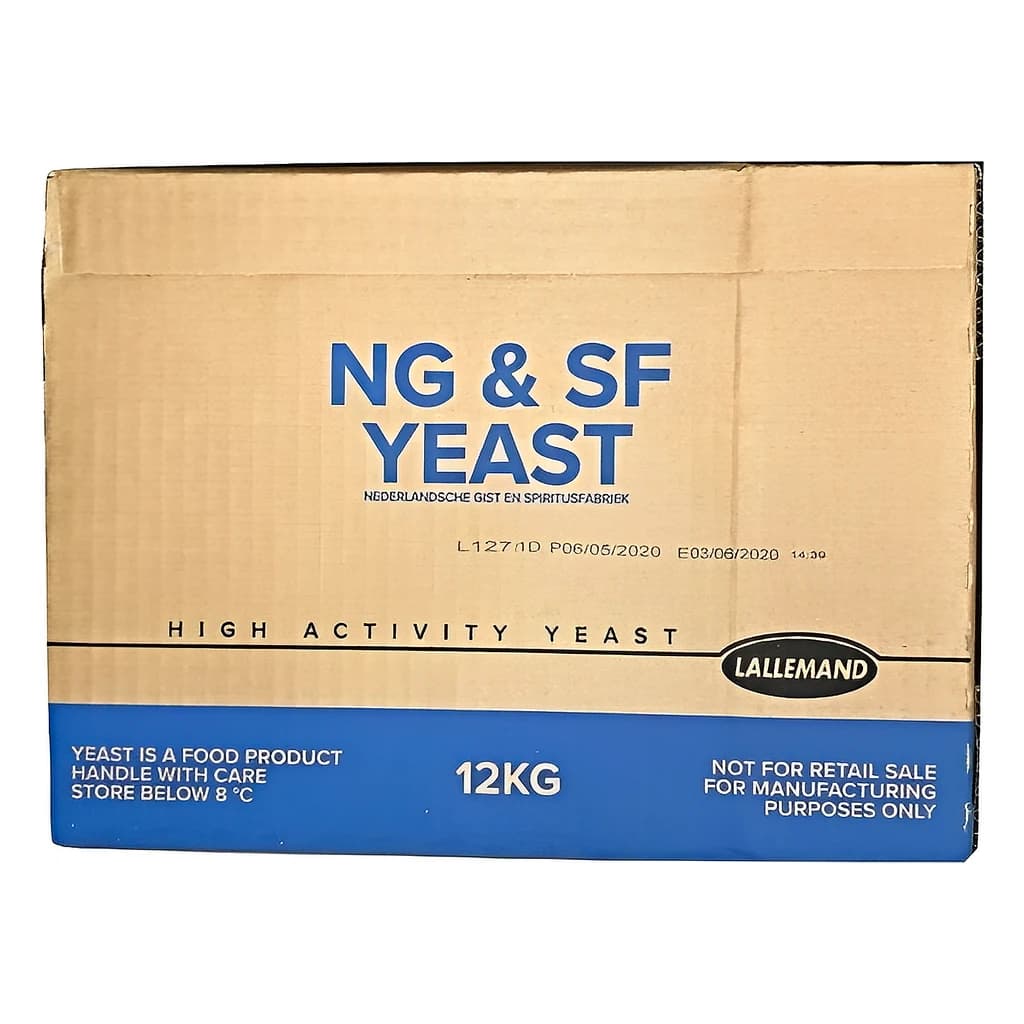
Fresh Yeast NG & SF Fast Active 12 kg
Puratos O-tentic Durum Sourdough Concentrate 10 × 1 kg
Molasses Sugar 25 kg
Titan Strong Bakers Flour 16 kg
Topspin Strong White Bakers Flour 16 kg
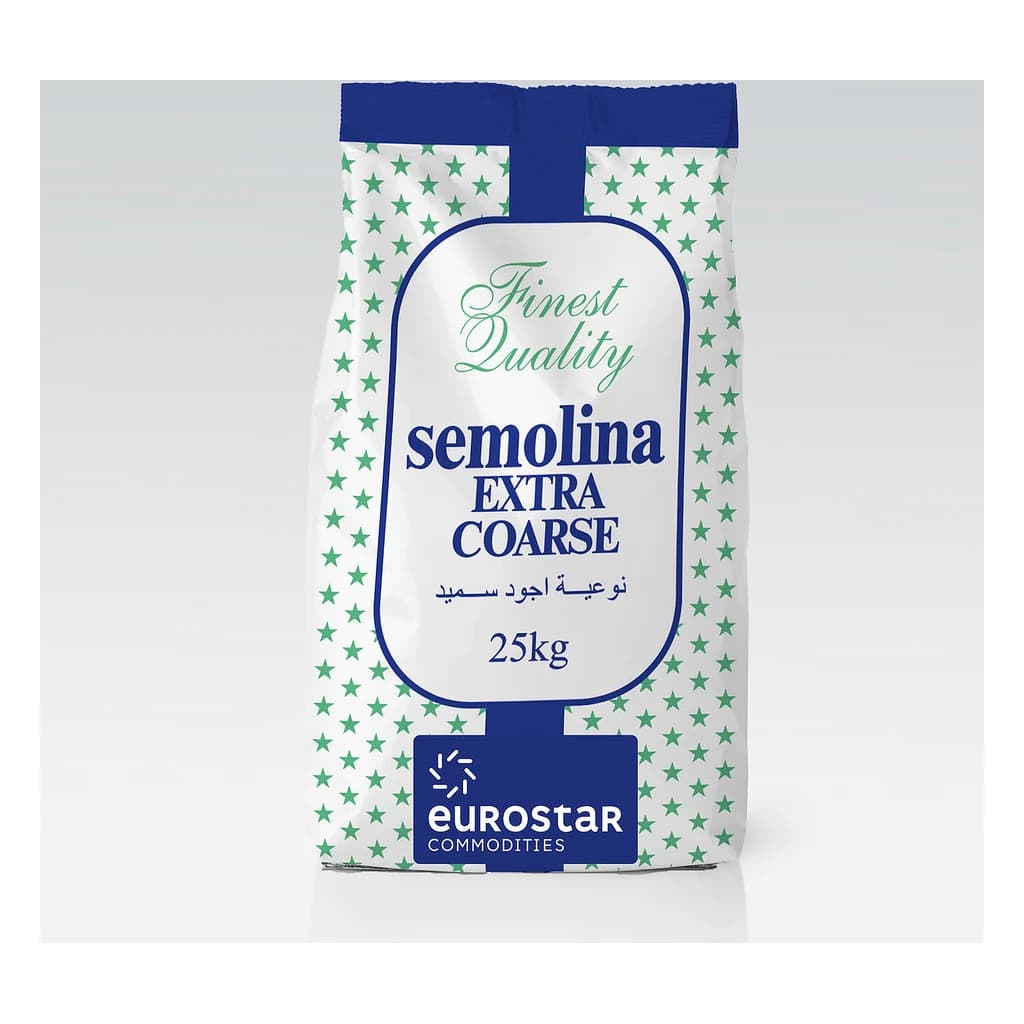
Extra Coarse Semolina 25 kg
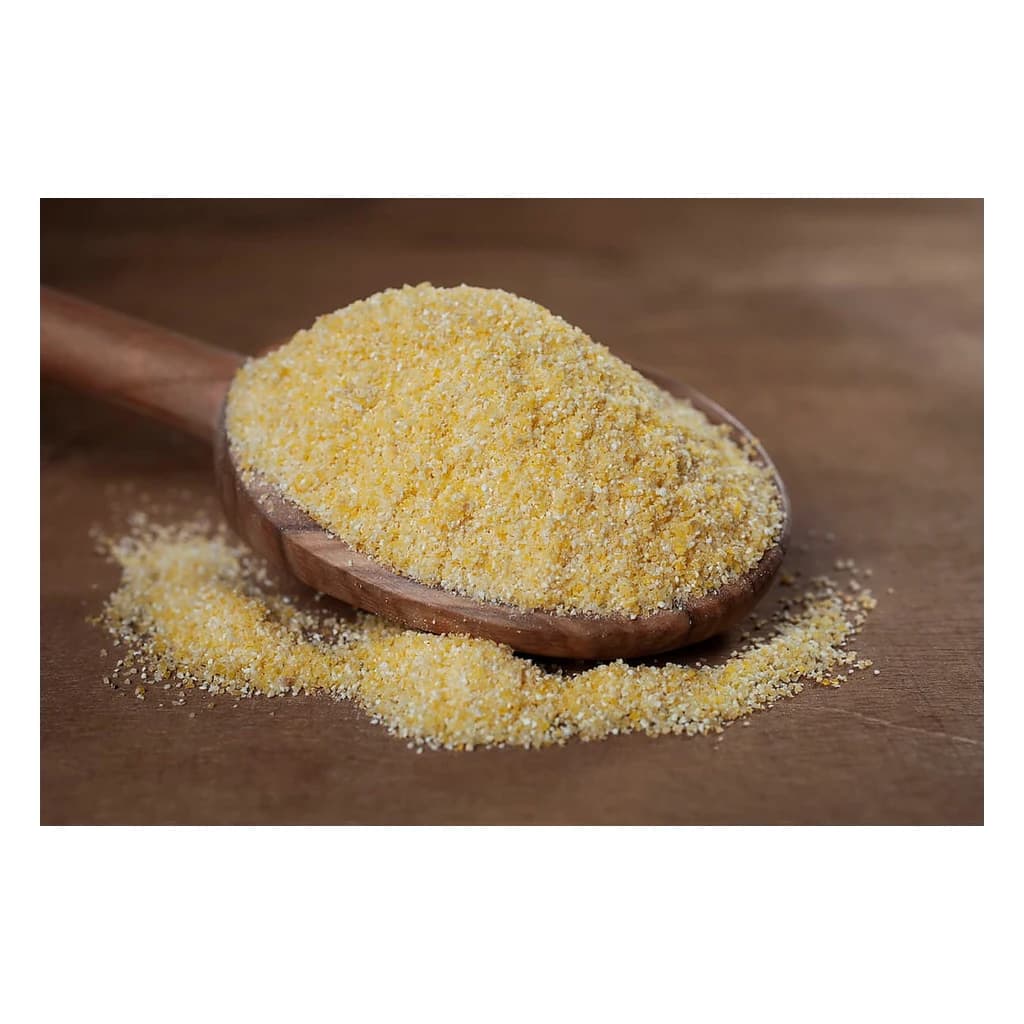
Yellow Maize Grits (Polenta) YG600 25 kg
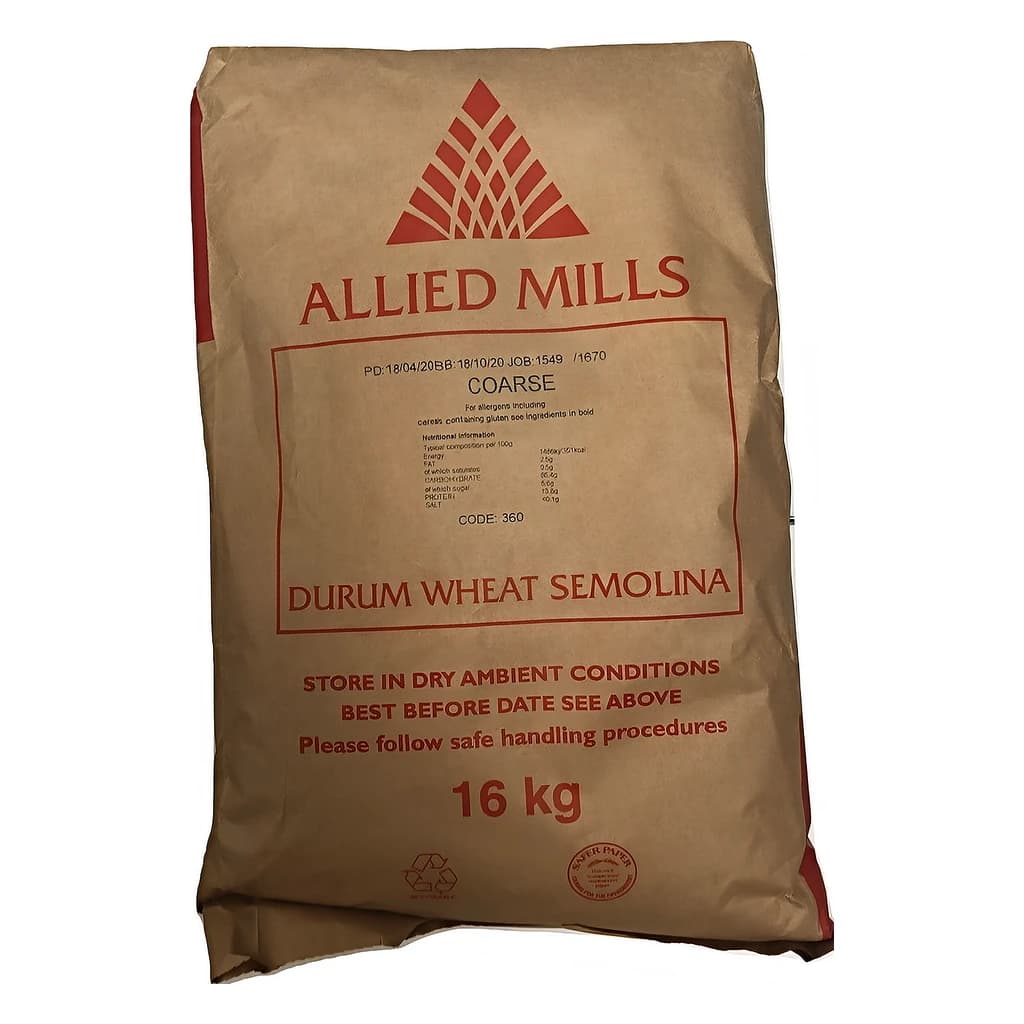
Durum Wheat Semolina 16 kg
Related reading
- Flour type numbers decoded: Polish T-codes, French T45–T150, German 550, Italian 00
- Choosing the right wheat flour: bread, pastry, cake, pizza, pasta and laminated doughs
- Protein content, gluten quality and flour strength: what the numbers mean for your dough
- Fresh, Active Dry & Instant Yeast: Formats, Performance & When to Use Each
- Sourdough Starter Cultures: Microbiology, Maintenance, Types & What Goes Wrong
- Sourdough technology: starter maintenance, LAB–yeast synergy, acidification curves and rye vs. wheat sourdoughs
- The baking stage: oven spring, steam injection, starch gelatinisation, Maillard reaction and crust formation
- Mixing methods compared: straight dough, sponge-and-dough, Chorleywood and activated dough development
- Lean bread formulas: baguette, ciabatta and sourdough by baker's percentage
- Turkish wheat flour grades: choosing the right un for ekmek, pide, baklava and börek
- Yufka, lavaş, bazlama and gözleme: unleavened and sac-baked flatbreads in professional production
- Simit and Ramazan pidesi: leavening, molasses dipping, sesame coating and oven technique
- Börek mastery: yufka types, layering, fillings and commercial production
Sources
- spec-sheetGoodMills Polska / Domson — Wheat Flour Typ 550, Product Description NR 03 (ed.10, ZN-VK/05/10)
- spec-sheetCarr's Flour Mills (Maldon Mill) — Strong Bakers Flour ('Titan'), Raw Material Specification FPS026 v8
- spec-sheetAgrol — Corn Flour (steamed), Technical Specification SWG/42 ed.4 (17.01.2024)
- spec-sheetAllied Mills — Durum Wheat Semolina (360 Coarse Semolina), AMP SPEC SEMO 01-06 rev.37 (21.04.2023)
- regulatoryTürk Gıda Kodeksi Ekmek ve Ekmek Çeşitleri Tebliği (Tebliğ No: 2012/2) (tr)
- regulatoryTürk Gıda Kodeksi Buğday Unu Tebliği (Tebliğ No: 2013/9) (tr)
- referenceEkmek ve Ekmek Çeşitleri — Yasal Şartlar (özet) (tr)
- referenceAnadolu'ya Özgü Ekmek Çeşitleri — Pakmaya Profesyoneller Dünyası (tr)
- recipeİyi Bir Ramazan Pidesi Yapmak için İpuçları ve Tarifler — Pakmaya Profesyoneller Dünyası (tr)
- referenceSimit — Türkiye Turizm Ansiklopedisi (tr)
- referenceYufka Ekmek — Türkiye Turizm Ansiklopedisi (tr)
- referenceTrabzon Vakfıkebir Ekmeği — Türkiye Turizm Ansiklopedisi (tr)
- referenceVakfıkebir Ekmeği — Vakfıkebir Belediyesi & Coğrafi İşaretler Portalı (tr)
- referenceCoğrafi İşaretler Portalı — Türk Patent ve Marka Kurumu (tr)
- academicTürkiye'de Üretilen Coğrafi İşaret ile Tescillenmiş Ekmek Çeşitleri / Coğrafi İşaret Tescilli Ekşi Mayalı Ekmekler — nitel araştırmalar (tr)
- referenceUn tipleri, protein/gluten ve kül oranları — Tip 550/650/850, baklavalık/böreklik/ekmeklik un (tr)
- trade-bodyTürkiye Fırıncılar Federasyonu (tr)
- trade-bodyTUSAF — Türkiye Un Sanayicileri Federasyonu (tr)
- trade-bodyProfesyonel Ekmekçilik ve Fırıncılık Eğitimi — Mutfak Sanatları Akademisi (MSA) (tr)
- recipeOzlem's Turkish Table — Turkish baking recipes (simit, pide, börek)
- referenceCategory:Breads of Turkey / Simit / Bazlama / Turkish pide / Vakfıkebir — Wikimedia Commons