
Börek mastery: yufka types, layering, fillings and commercial production
The working baker's guide to börek (savoury filled pastry) and the yufka (thin hand-rolled dough sheet) that defines it. It sets the tradition straight for a Turkish customer base: börek is NOT French-style butter lamination — the layers come from stacking many separate wafer-thin yufka brushed with a fat/dairy mixture (terbiye), and the flagship su böreği (water börek) is uniquely built by BOILING the sheets before assembly. The dossier decodes the format family a Turkish baker recognises — su böreği / tepsi böreği (the tray "king"), kol böreği (rolled log), sigara böreği (cigarette rolls), muska (triangles), gül (rose coils) and the fried Crimean-Tatar çiğ börek — with authentic regional attributions (Erzurum and Çerkeş su böreği, Eskişehir çiğ börek, Hopa laz böreği, all Turkish geographical indications) mined from Turkish-language encyclopaedias, the TÜRKPATENT geographical-indications portal and Turkish milling sources. It explains the flour question at the heart of the craft — baklavalık / böreklik / açılan un (rollable high-extensibility flours, protein ~12-14%, low ash, high water absorption) — and maps it to the strongest flours a UK-based Turkish baker can actually order from Domson. Numbers come first from eight first-party supplier spec sheets (flour, 82% butter, puff-pastry margarine, sunflower oil, hulled sesame, native maize starch, durum semolina and pasteurised liquid whole egg), cross-checked against Turkish sources. A full food-safety and allergen section covers the boiled-then-baked su böreği cook step, raw-meat çiğ börek, the wheat/milk/egg/sesame allergen load and the divider/tray-oil vs butter choice. Cross-links the Pillar A craft (lamination, fats, flour strength, fillings, toppings) and maps every component to ready-to-buy Domson products and brands.
Börek mastery: yufka types, layering, fillings and commercial production
Ask a Turkish baker what börek is and they will not say "puff pastry." Börek (savoury filled pastry) is a whole family of products built from yufka — separate, wafer-thin, hand- or machine-rolled dough sheets — that are stacked and brushed between layers with a fat-and-dairy mixture, then filled and baked, fried or (uniquely) boiled-then-baked. This is a fundamentally different route to a layered pastry than French butter lamination: there is no single block of dough folded around a fat plaque (the craft covered in A6-laminated-dough-fundamentals). Getting this distinction right is the whole point — a Turkish customer judges a bakery on its börek, and especially on su böreği (water börek), which many Turks call böreklerin şahı / the king of böreks. See images.json img-b2bp-01 for the regional map and img-b2bp-03 for the format family.
What börek is — and where it comes from
The word börek is generally traced to Middle Turkish bögürek / bögrek, a diminutive thought to come from Old Turkish bögür (kidney), though the exact root is not certain; through the Ottoman period the term passed into Persian and Russian, and it has Balkan cognates — Albanian byrek, Serbian/Bosnian burek, Bulgarian banitsa [src-kure-borek, src-en-wiki-borek]. Börek's roots are Central Asian, but it was refined in the Ottoman palace kitchens: at Topkapı under Fatih Sultan Mehmet, specialist cooks held the titles börekçi and börekçibaşı (head börek-maker) [src-kure-borek]. Su böreği first appears in writing in Mehmed Kâmil's Melceü't-Tabbâhîn (The Cooks' Refuge, 1844), the first printed Ottoman-Turkish cookbook, and was a favourite of 19th-century Ottoman cuisine [src-tta-suboregi, src-samanci]. This heritage is not decoration — it is why börek is a savoury-bakery anchor for Turkish customers and a real commercial opportunity for a UK bakery.
Yufka: the sheet that defines everything
Everything starts with yufka (thin dough sheet). Beware the double meaning: yufka ekmek is an unleavened flatbread of flour, water and salt, rolled with a long thin oklava (dowel rolling pin) to 55-75 cm and baked crisp on a sac (convex metal griddle) — a nomadic keeping-bread whose tradition UNESCO inscribed in 2016 as "Thin Bread (İnce Ekmek) Making and Sharing" across five countries [src-tta-yufka]. That flatbread craft is the sibling article B2-flatbreads-and-sac. Börek yufka is the same idea taken thinner: a soft, well-rested, unleavened (or barely enriched) dough rolled paper-thin. The layers of a börek are these separate sheets stacked with fat between them (see img-b2bp-02), not a single folded dough — so the levers are the flour's extensibility, the rest, and the fat you brush between sheets.
Two rolling realities to stock for:
- Hand-rolled (el açması) yufka — rolled on the oklava, dusted with flour or, better, starch (nişasta) so the sheets do not stick as they thin; the mark of an artisan börek.
- Ready/machine-sheeted yufka — bought as thin sheets (the norm for sigara and kol börek at volume). Let ready yufka come to room temperature before opening it, or it tears [src-riza-laz, src-ozlem].
Get the flour right: baklavalık, böreklik, açılan un
The single most important buying decision is flour. Turkish millers sell dedicated special-purpose flours for exactly this job (see img-b2bp-04 and data.json table-flour-selection):
- Baklavalık un (baklava flour) — a very low-ash, high-protein flour (typically ~12-14% protein) milled mostly from hard wheat (sert buğday), forming a strong, durable, extensible gluten network with high water absorption, so the yufka can be rolled paper-thin without tearing and bakes crisp [src-lezzet-baklavaunu, src-ozmen-baklavaunu].
- Böreklik un (börek flour) — a strong flour that "takes a lot of water and gives high yield," ideal for rolling and working börek/baklava yufka to the wanted thinness without tearing; blends may lean on higher-gluten soft wheat alongside hard wheat [src-usta-boreklikun, src-lezzet-baklavaunu].
- Açılan un ("rollable" flour, sold as baklavalık/böreklik/mantılık) — marketed for its elastikiyeti yüksek hamur yapısı (high-elasticity dough structure) that lets dough be "ince açılması" (rolled thin) without tearing; one supplier states protein 12.2 g / 100 g [src-sinangil-acilan].
Domson does not stock a Turkish "açılan un," so a UK-based Turkish baker substitutes by choosing the strongest, most extensible flour available — the flour-selection craft in A1-wheat-flour-types-by-application, and the protein/gluten-strength theory in A1-protein-gluten-and-strength and A1-key-quality-parameters (ash, falling number, farinograph/alveograph). Practical picks from the catalogue:
- Domson Wheat Flour Type 550 (strong bread flour) — first-party spec: protein 11.5-12.5% / wet gluten 28-32%, gluten index 75-99, ash 0.51-0.58% (d.m.), falling number ≥ 220 s — a medium-strong, clean flour that sits right at the bottom of the baklavalık-un protein band and is the everyday board flour for börek yufka [ss-domson-flour550].
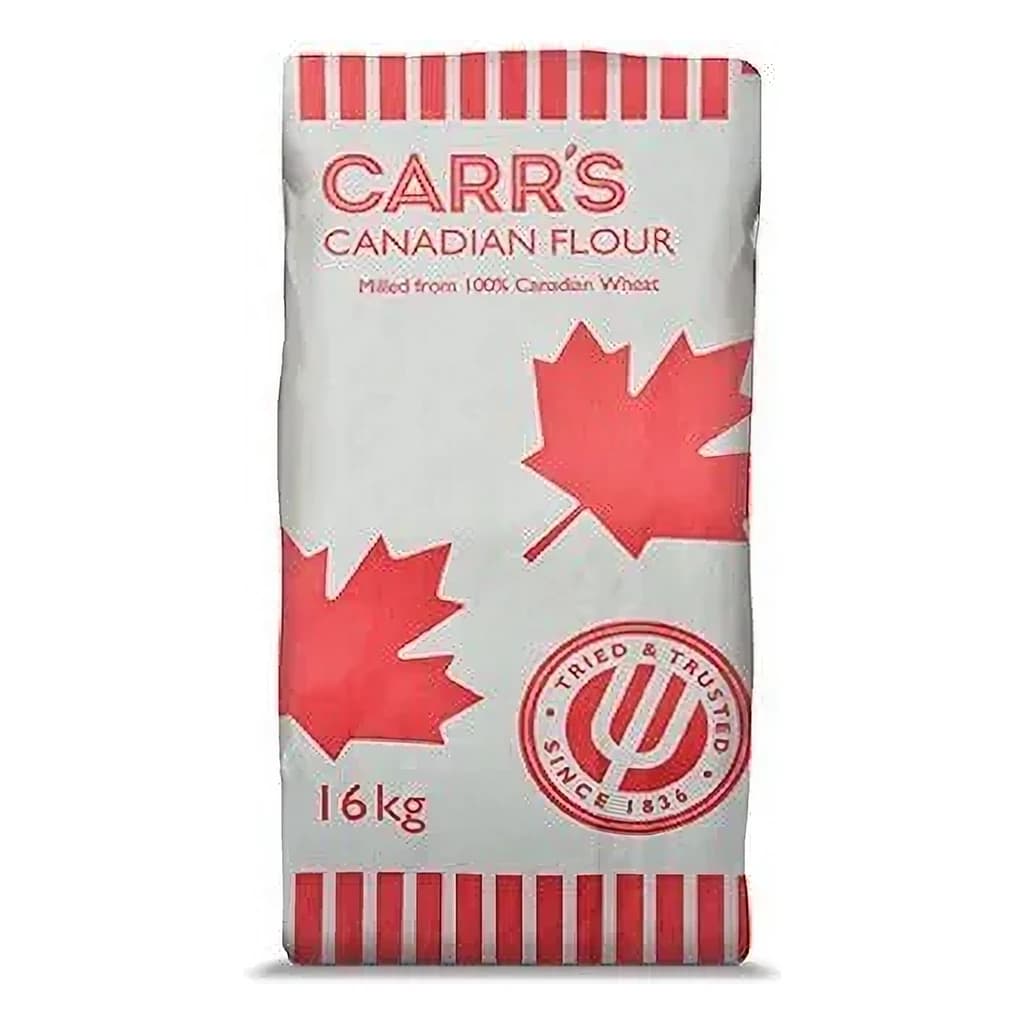
- Centurion Canadian Very Strong Flour (Carr's Maldon Mill) — the strongest, most extensible option, closest in behaviour to a hard-wheat baklavalık un for hand-pulled su böreği yufka.
- Italian Tipo 00 Pizza Flour (ROMEL) — very finely milled and extensible; a good fine-textured açma analog when you want a smooth, silky sheet.
Dust the sheets with native maize starch (nişasta) rather than flour where you can — it keeps rolled yufka from gumming and gives a cleaner bake. Domson's AGRANA C*Gel native maize starch (Brenntag) is a food-grade white/cream maize starch, moisture ≤ 14%, protein ≤ 0.4%, pH 4-6 [ss-brenntag-maizestarch]. Where a recipe wants a granular bite (some doughs, or a dusting under the tray), durum-wheat semolina (irmik) — Allied Mills Durum Wheat Semolina, 100% durum (may contain 3% common wheat), creamy-yellow and granular — is the authentic choice [ss-alliedmills-durumsemolina]. Baker's-percentage handling of any of these formulas is in A8-bakers-percentage-fundamentals.
The format family — name them right
"Börek" is a family, not one product. Turkish names track shape and method (see img-b2bp-03 and data.json table-formats) [src-kure-borek, src-yemekcom-borek, src-en-wiki-borek]:
- Su böreği / tepsi böreği (water / tray börek) — the flagship: boiled sheets layered in a round or rectangular tray with a cheese-and-parsley filling; baked or pan-finished, then cut into squares or wedges (see below and img-b2bp-02).
- Kol böreği (arm börek) — filling spread on a sheet, rolled into a long log ("arm"), often coiled; sliced across to show a spiral. A bakery-case workhorse.
- Sigara böreği (cigarette börek) — a triangle of ready yufka filled with lor peyniri (whey cheese) and parsley, edges folded in and rolled tight into a thin cigarette, then fried (or baked); a mezze/finger-food staple [src-yemekcom-borek].
- Muska böreği (amulet/triangle) — folded into small triangles like a muska (amulet), fried or baked.
- Gül böreği (rose börek) — filled strips coiled into a rose and set upright in the tray.
- Talaş böreği — named for talaş (wood shavings) because its rich, layered dough shatters into flakes; the one börek that leans toward a puffed, laminated-style crust [src-yemekcom-borek].
- Çiğ börek / çi börek — the fried Crimean-Tatar half-moon with a raw meat filling that cooks inside the dough in hot oil (see food safety) — a category of its own, covered below.
Su böreği — the boil-then-bake method (do this one right)
Su böreği is where technique separates a bakery from a home kitchen (see img-b2bp-02 and data.json formula-su-boregi). A representative single-tray method from a Turkish culinary encyclopaedia [src-tta-suboregi]:
- Dough & rest. Make a firm unleavened dough — a common tray uses about 900 g flour to ~12 eggs with salt and a little lemon juice — and knead 40 minutes+ to a soft earlobe consistency. Divide into ~12 pieces (two larger, for the unboiled top and bottom sheets), and rest ~30 minutes.
- Roll thin. Roll each piece to 2-3 mm on a starch-dusted bench.
- Boil the sheets — the defining step. Drop ~10 of the sheets, one at a time, into salted boiling water (tuzlu kaynar suda haşlanır), lift, shock in cold/iced water (şoklandıktan sonra soğuk sudan çıkarılır), then drain and pat dry thoroughly. Wet sheets make a soggy, collapsing börek.
- Layer. Lay one unboiled sheet in a well-buttered tray; stack five boiled, butter-brushed sheets in loose pleats; spread the filling — crumbled white cheese (beyaz peynir, in Erzurum often the stringy civil / çeçil peyniri) with chopped parsley; add five more boiled, buttered sheets; cap with the second unboiled sheet.
- Bake / pan-finish. Bake until deep golden, or finish the traditional way on the hob over low heat ~25 minutes, turning the tray once (~15 min then ~10 min inverted) for an all-over crust [src-tta-suboregi]. The colour and crust chemistry (Maillard, crust set) are in A5-baking-oven-science.
Su böreği is a Turkish geographical indication in two regions — Erzurum Su Böreği (registered 2020) and Çerkeş Su Böreği (Çankırı, registered 2023) — recorded on the TÜRKPATENT geographical-indications portal [src-tta-suboregi, src-turkpatent-ci]. Knowing these names is part of getting the tradition right.
Fat and the brushing mixture (terbiye)
Because börek layers are separated by fat rather than a folded butter plaque, what you brush between the sheets is the flavour and the flake (see img-b2bp-05 and data.json table-fats). The authentic first choice is tereyağı (butter), sometimes clarified; commercial bakeries widely use a whisked terbiye of melted butter or oil with egg, milk and/or yoğurt for colour, softness and a tender set. The universal fat theory sits in A4-fat-types-and-selection; the butter-vs-roll-in-margarine trade-off (plasticity, melting point) is in A4-laminating-fats-viennoiserie and A6-roll-in-fat-selection; butter grades and tourage butter are in A4-butter-grades-and-specialist-types.
From the catalogue (all numbers first-party):
- Unsalted Butter 82% (Polmlek) — fat min 82%, water 16%, 744 kcal/100 g, saturated 55 g; contains milk [ss-polmlek-butter82]. The traditional brush; clarify it for a cleaner, higher-heat finish.
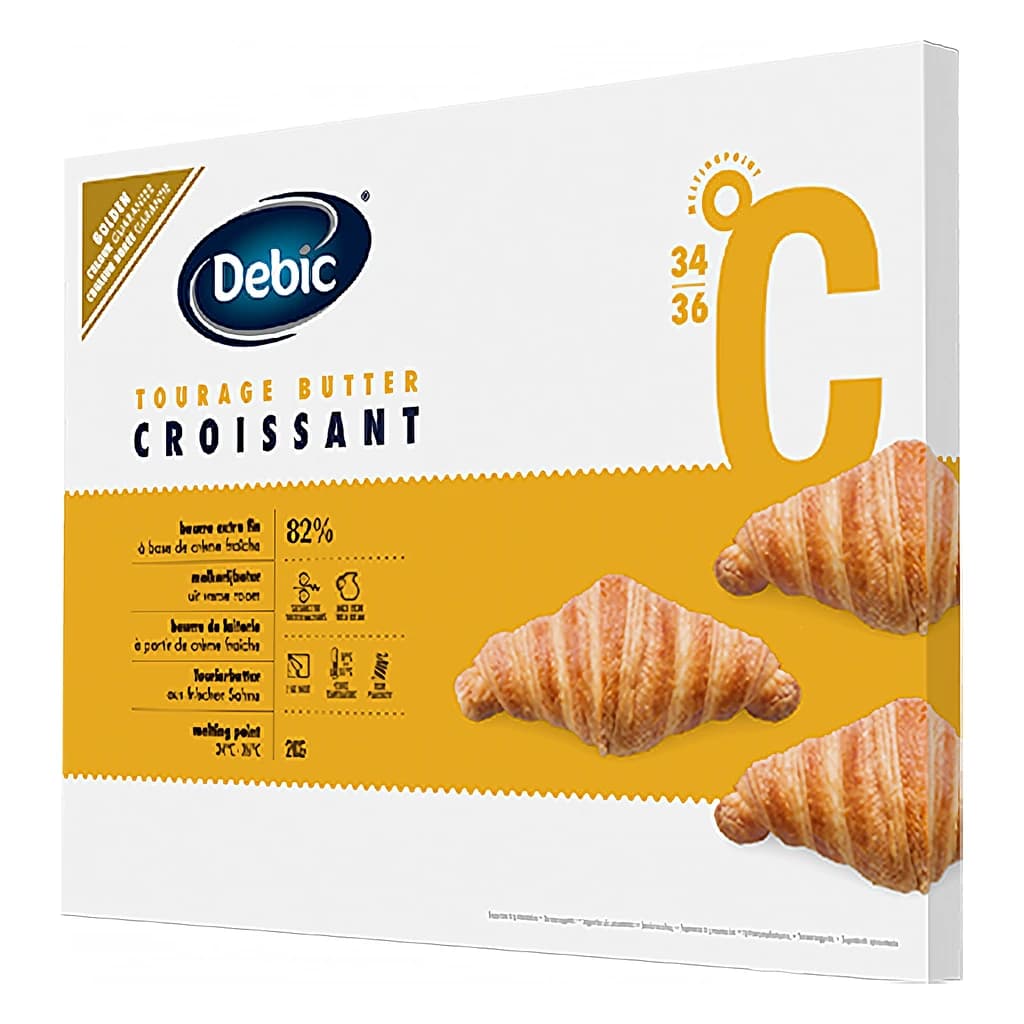
- Tourage Croissant Butter (Agart) — a high-fat, plastic tourage butter for bakers who want a richer, more workable butter across a big tray run.
- Puff Pastry Margarine 80% (Maestra) (Kruszwica) — a vegetable roll-in margarine: fat 80%, 720 kcal/100 g, SFC 33-37% at 20°C / 17-23% at 30°C / 9-13% at 35°C, best worked at 18-20°C; it contains soya (soya lecithin, E322) and may carry milk traces, so declare soya as a named allergen (see Food safety and allergens) — the economical, heat-stable brushing/lamination fat many commercial börek and talaş lines run [ss-kruszwica-puffmarg].
- Sunflower Oil (Olympic Oils) — 900 kcal/100 g, 100 g fat (11 g sat / 28 g mono / 60 g poly); nut-free (made in a nut-free environment), no named allergens declared — the everyday ayçiçek yağı for brushing and, critically, for frying sigara/muska/çiğ börek. Rely on the live supplier spec and a precautionary cross-contact statement rather than an unqualified "allergen-free" claim [ss-olympic-sunfloweroil].
- Egg — EIPRO Eifix pasteurised liquid whole egg (99.9% whole egg + citric acid; 139 kcal/100 g, protein 12 g, pH 6.4-7.0; use within 48 h of opening) for both the filling binder and the brushing mixture; BackGlanz egg-wash substitute (Polmarkus) is the egg-free glaze alternative [ss-eipro-wholeegg].
A safety note on release oils: a divider/slicer release oil (rapeseed with E322, smoke point ~230°C) is not an eating fat for börek layers — keep pan/tray release oils separate from your brushing fats (see the data-integrity note below and Food safety and allergens).
Fillings — peynirli, kıymalı, ıspanaklı and the dairy problem
The classic börek fillings a Turkish customer expects (see data.json table-fillings) [src-kure-borek, src-ozlem]:
- Peynirli (cheese) — crumbled beyaz peynir (white brined cheese) or lor peyniri (whey cheese) with parsley; the default for su böreği and sigara böreği.
- Kıymalı (minced meat) — kıyma with onion and spice (and the raw-meat çiğ börek, below).
- Ispanaklı / patatesli / pırasalı — spinach, potato or leek, often with cheese.
- Kaşarlı — a melting yellow kaşar (kashkaval-type) for a stringy pull.
Catalogue reality — read this before you order dairy. Domson's current catalogue has no clean first-party match for beyaz peynir / lor peyniri, and three dairy SKUs carry the wrong datasheet (a real, verified catalogue data-integrity problem — see the note below). The workable analogs, mapped honestly in data.json table-catalogue-map:
- Cheesecake Curd Cheese (twaróg-style, Polmlek 14%) — the nearest fresh-white-cheese texture for a peynirli filling, but it is milder and wetter than beyaz peynir; season and drain it.
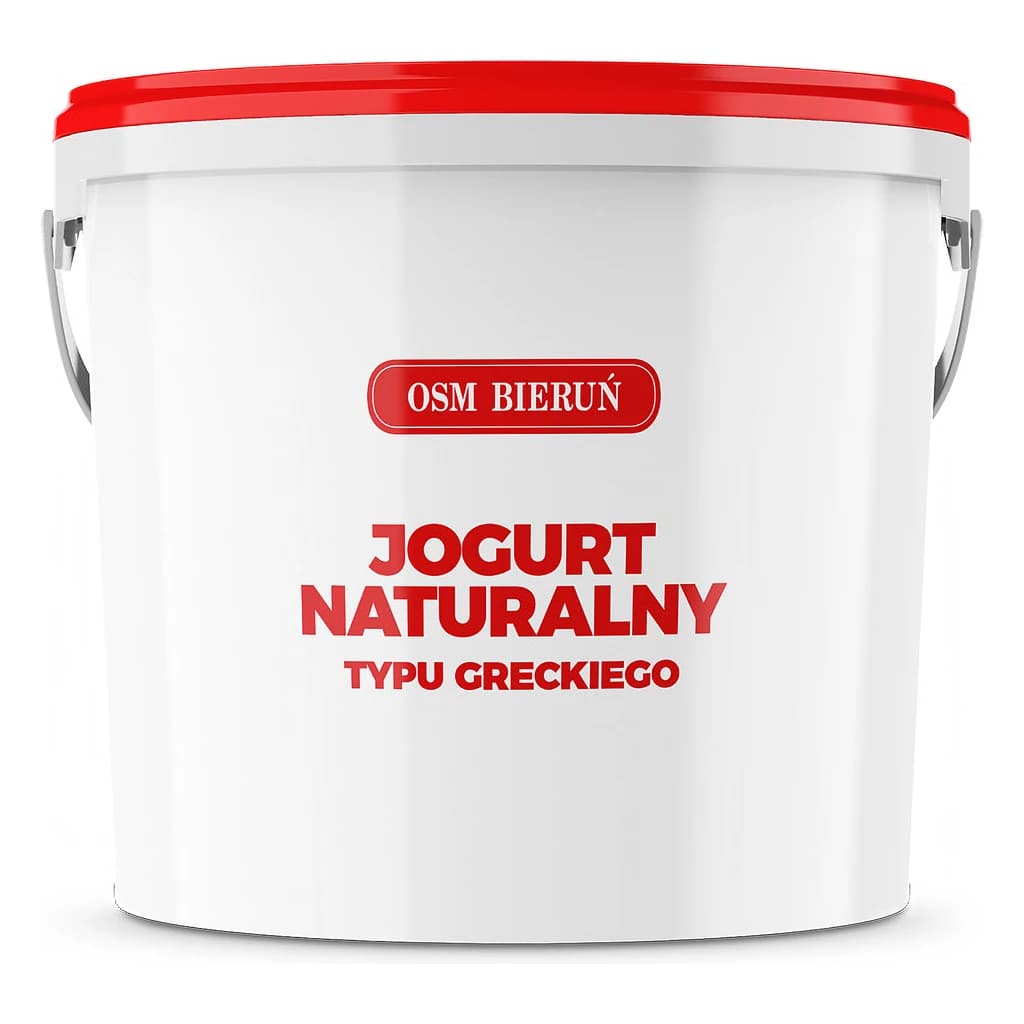
- Greek-Style Yoghurt 3.5% (OSM Bieruń) — for the terbiye and softer fillings.
- Grated Mozzarella (PGD) — a serviceable kaşar substitute for a melty cheese börek.
Data-integrity note (catalogue title vs attached datasheet). Trust the document, not the title. While reading spec PDFs for this dossier, three dairy SKUs were found mislabelled: "Yoghurt Natural 3%" (Figand, G25336) carries a crimson-raisins datasheet; "Cheesecake Curd Cheese Wykwintny" (OSM Bieruń, G25302) carries a rapeseed divider/slicer release-oil datasheet; and "White Cheese Grated" (Lallemand, G43173) carries a fresh baker's yeast datasheet. Verify the live spec on any dairy SKU before relying on it, and confirm allergens directly with the supplier.
Toppings and finish
Brush the top with egg (or egg-yolk-and-yoğurt for deeper colour) and scatter susam (sesame) and çörek otu (nigella / black seed) — the two signature börek toppings. Allergen note: sesame is a named EU/UK allergen and must be declared; nigella (Nigella sativa) is botanically distinct from sesame (Sesamum indicum) and is not one of the 14 named allergens [ss-globalgrains-sesame, src-eu-1169]. Domson's Global Grains hulled sesame is a clean, single-ingredient seed (631 kcal/100 g, 61 g fat, 20 g protein; declares sesame; kosher-certified, halal-suitable, gluten/nut-free) [ss-globalgrains-sesame], and FGS Ingredients black seeds cover nigella. The seed-topping craft — adhesion, toasting, allergen control — is in A7-seeds-nuts-toppings.
Two regional stories worth stocking for
- Çiğ börek / çi börek (Eskişehir). The fried half-moon of the Crimean Tatars, brought to Anatolia by Tatars who settled around Eskişehir, Ankara and Konya after the 1856 Crimean War; its name comes from a Crimean-Tatar word (rendered in Turkish as çiğ = "raw," later corrected by the TDK to çi börek). The dough is firm and unleavened (so it doesn't drink oil), the filling is raw minced lamb or beef with onion, and it cooks inside the dough in hot oil. Eskişehir Çiğböreği is a registered geographical indication [src-tr-wiki-ciborek, src-haberturk-ciborek, src-turkpatent-ci]. Because the meat starts raw, this is a food-safety-critical product (below).
- Laz böreği (Rize / Artvin / Hopa). A sweet Black Sea börek: layered thin yufka with a muhallebi (milk-and-starch custard) between the sheets, finished with syrup — famously carrying a pinch of black pepper in the custard. It blurs the pastry-vs-dessert line and shows börek reaching into confectionery; Hopa Laz Böreği is a registered geographical indication [src-riza-laz, src-muslum-laz]. The custard/muhallebi craft is in A6-pastry-creams-fillings; syrup work belongs with B2-baklava-production.
Food safety and allergens
Everything in this section is flagged for a food-safety professional's review before publication — treat it as guidance, not a finished HACCP plan (see data.json spec-foodsafety-borek).
- Allergens (declare per EU Reg 1169/2011 / retained UK FIC). Every wheat-yufka börek contains gluten (cereals containing gluten — wheat) [ss-domson-flour550, ss-alliedmills-durumsemolina]. Cheese, butter and yoğurt fillings and the terbiye add milk [ss-polmlek-butter82]; an egg terbiye or egg wash adds egg [ss-eipro-wholeegg]; a susam (sesame) topping adds sesame — a named allergen — while çörek otu (nigella) is not a named allergen [ss-globalgrains-sesame, src-eu-1169]. If you brush with puff-pastry margarine, it contains soya (soya lecithin) and may carry milk traces, so declare soya as well [ss-kruszwica-puffmarg]; the board flour also carries a declared trace risk of soy, lupin and mustard [ss-domson-flour550]. Confirm every allergen against the live supplier spec.
- Çiğ börek is food-safety-critical. The filling goes in raw and must cook through inside the sealed dough as it fries. Cook to a validated core kill-step — the UK FSA benchmark is 70°C for 2 minutes (or an equivalent such as 65°C for 10 minutes or 60°C for 45 minutes). Minced meat carries surface bacteria mixed throughout, so no rare centre is acceptable [src-fsa-cooking, src-tr-wiki-ciborek].
- Su böreği and dairy fillings. The yufka is boiled (a heat step) then baked or pan-finished; use potable water for the boil and the ice-shock, and don't hold drained sheets warm-and-wet. Cheese/custard fillings are dairy — keep them under cold-chain control before the bake and cool or hot-hold the finished börek promptly [src-tta-suboregi, src-fsa-cooking].
- Release oils are not eating fats. A divider/slicer release oil (rapeseed with emulsifier E322, smoke point ~230°C) is a processing aid, not a brushing fat — keep it strictly segregated from the butter/oil you brush between yufka layers (see the data-integrity note above).
Scaling to commercial production
At volume, the levers are: ready machine-sheeted yufka (temper to room temperature before opening); a strong, extensible flour dusted with starch; a stable brushing fat (butter for flavour, puff-pastry margarine for economy and heat tolerance); and par-baked, frozen trays for sigara/kol lines. Su böreği does not freeze or hold as forgivingly as fried formats — build it fresh, or par-cook and finish to order. Sigara and muska fry from frozen well, which is why they dominate high-street cases.
Buy it: börek from the order sheet
The whole product maps back to the catalogue (see data.json table-catalogue-map and img-b2bp-06–img-b2bp-10):
- Yufka dough: Domson Wheat Flour T550 (everyday), Centurion Canadian Very Strong (strongest, most extensible), or Italian Tipo 00 (fine açma); dust with AGRANA maize starch (nişasta) or Allied Mills durum semolina (irmik).
- Fat / terbiye: Polmlek Unsalted Butter 82% or Agart Tourage Butter (flavour), Kruszwica Puff Pastry Margarine 80% (economy/heat), Olympic Sunflower Oil (frying), EIPRO Eifix liquid egg + Greek yoghurt for the brushing mix; BackGlanz for an egg-free glaze.
- Filling: Cheesecake Curd Cheese (beyaz peynir analog — verify spec), Grated Mozzarella (kaşar analog), parsley; Whole Egg Liquid as binder.
- Topping: Global Grains hulled sesame (susam) + FGS black seeds (çörek otu / nigella).
See data.json for the comparison tables, formula cards (su böreği, kol/sigara assembly, çiğ börek) and the fault-finder, images.json for the regional map and process diagrams, and sources.json for every citation — including the Turkish-language sources mined for authentic names, methods and provenance.
Su böreği — boil-then-bake tray börek (house-typical)
| Ingredient | Baker's % | Weight |
|---|---|---|
| Strong/extensible wheat flour (baklavalık/böreklik analog) | ||
| Whole eggs | ||
| Salt | ||
| Lemon juice | ||
| Butter (melted, for brushing) | ||
| White cheese (beyaz peynir / civil), crumbled | ||
| Parsley, chopped | ||
| Maize starch (nişasta), for dusting |
- 1) Make a firm unleavened dough (flour + eggs + salt + lemon); knead 40 min+ to a soft earlobe consistency. 2) Divide into ~12 pieces (two larger for top & bottom); rest ~30 min. 3) Roll each to 2-3 mm on a starch-dusted bench. 4) Boil ~10 sheets one at a time in salted boiling water, shock in cold/iced water, drain and pat dry. 5) Lay one UNBOILED sheet in a buttered tray; stack 5 boiled, butter-brushed sheets in loose pleats; spread cheese + parsley; add 5 more boiled buttered sheets; cap with the second unboiled sheet, buttered. 6) Bake to deep golden, OR finish on the hob over low heat ~25 min turning once (~15 min then ~10 min inverted). Cut into squares/wedges.
Yield: One round tray
Representative single-tray method from a Turkish culinary encyclopaedia; ratios vary by bakery. The defining step is BOILING the sheets before assembly. Boil, ice-shock and DRAIN the sheets well — a wet sheet makes a soggy, collapsing börek. Use the two unboiled sheets for the very top and bottom.
Sigara & kol böreği from ready yufka (assembly)
| Ingredient | Baker's % | Weight |
|---|---|---|
| Ready thin yufka sheets | ||
| Lor / white cheese + parsley (sigara) OR cheese/meat/spinach (kol) | ||
| Brushing terbiye: butter/oil + egg + milk/yoğurt | ||
| Sunflower oil (for frying sigara) | ||
| Sesame + nigella (kol topping) |
- SIGARA: cut yufka into triangles; place filling at the wide edge; fold the two side points in; roll up tight into a thin cigarette; seal the tip with terbiye/water; deep-fry in hot sunflower oil (or bake). KOL: brush a sheet with terbiye; spread filling along one edge; roll into a long log ('arm'), optionally coil; place seam-down; egg-wash; scatter sesame + nigella; bake to golden. Cut kol across into slices.
Yield: Batch (scales linearly)
Ready yufka MUST come to room temperature before opening or it tears. Sigara fries from frozen well, which is why it dominates high-street cases. Kol is a baked rolled log, sliced across.
Çiğ börek / çi börek — fried Crimean-Tatar half-moon (house-typical)
| Ingredient | Baker's % | Weight |
|---|---|---|
| Strong wheat flour | ||
| Water + salt (firm unleavened dough) | ||
| Raw minced lamb (or beef) + grated onion + salt/pepper + a little water | ||
| Sunflower oil (for deep-frying) |
- 1) Knead a firm unleavened dough; rest. 2) Roll thin rounds. 3) Place raw seasoned mince on half; fold into a half-moon; seal the edge firmly (crimp) so no oil enters and no juice escapes. 4) Deep-fry in hot oil, turning, until the dough is deep golden AND the meat is fully cooked through to a safe core temperature. Serve hot.
Yield: Batch
The dough is deliberately FIRM and unleavened so it does not drink oil; the meat goes in RAW and cooks inside the sealed dough in hot oil. Because the filling starts raw, this is a food-safety-critical product — see the fault table and food-safety flags. Eskişehir Çiğböreği is a registered GI.
Turkish börek names track SHAPE and METHOD, not the filling. Börek layers come from stacking separate thin yufka sheets brushed with fat — not from folding one dough around a butter plaque (French lamination). Pick the format first; it decides the yufka, the fat mixture and how you cut and sell it.
| Format (Turkish) | English gloss | Build | Cook method | Typical filling | Sources |
|---|---|---|---|---|---|
| su böreği / tepsi böreği | water / tray börek ('king of böreks') | Boiled thin sheets layered in a tray, cheese-and-parsley filling, unboiled top & bottom sheets | Boil sheets, then bake OR pan-finish on the hob | beyaz peynir (white cheese) + parsley | src-tta-suboregi, src-kure-borek |
| kol böreği | arm börek (rolled log) | Filling spread on a sheet, rolled into a long log, often coiled; sliced across | Baked | cheese, minced meat, spinach or potato | src-yemekcom-borek, src-kure-borek |
| sigara böreği | cigarette börek | Triangle of ready yufka, edges folded in, rolled tight into a thin cigarette | Fried (or baked) | lor peyniri (whey cheese) + parsley | src-yemekcom-borek, src-en-wiki-borek |
| muska böreği | amulet / triangle börek | Folded into small triangles like a muska (amulet) | Fried or baked | cheese or minced meat | src-kure-borek, src-yemekcom-borek |
| gül böreği | rose börek | Filled strips coiled into a rose, set upright in the tray | Baked | cheese or minced meat | src-yemekcom-borek |
| talaş böreği | shavings börek | Rich, layered dough that shatters into flakes (leans toward a puffed/laminated crust) | Baked | diced meat / chicken | src-yemekcom-borek |
| çiğ börek / çi börek | Crimean-Tatar fried half-moon | Firm unleavened dough half-moon around a RAW meat filling | Deep-fried (meat cooks inside) | raw minced lamb/beef + onion | src-tr-wiki-ciborek, src-haberturk-ciborek |
| laz böreği | Black Sea sweet börek | Thin yufka layered with muhallebi custard, syrup-finished | Baked then syruped | muhallebi (milk-starch custard) + a pinch of black pepper | src-riza-laz, src-muslum-laz |
Turkish millers sell dedicated rollable flours for yufka work. Domson has no 'açılan un', so a UK-based Turkish baker substitutes with the strongest, most extensible flour available. Numbers for Domson products are first-party spec-sheet values; Turkish-flour numbers are cross-checked house-typical guidance, not legal standards.
| Flour | Role | Protein / gluten | Why it suits yufka | Domson analog | Sources |
|---|---|---|---|---|---|
| baklavalık un | baklava/börek yufka (paper-thin) | ~12-14% protein, very low ash, high water absorption | Strong, durable, extensible gluten from hard wheat → roll paper-thin without tearing; crisp bake | Centurion Canadian Very Strong; Domson T550 (bottom of band) | src-lezzet-baklavaunu, src-ozmen-baklavaunu |
| böreklik un | börek yufka | strong flour, 'takes a lot of water, high yield' | Rolls/works to wanted thinness without tearing; may use higher-gluten soft wheat in blend | Domson T550; Italian Tipo 00 | src-usta-boreklikun, src-lezzet-baklavaunu |
| açılan un (baklavalık/böreklik/mantılık) | rollable multi-use | protein ~12.2 g/100 g (Sinangil) | elastikiyeti yüksek hamur — high-elasticity dough rolls thin without tearing | Domson T550; Tipo 00 | src-sinangil-acilan |
| Domson Wheat Flour T550 (G22006) | everyday börek board flour | protein 11.5-12.5% / wet gluten 28-32% / gluten index 75-99 / ash 0.51-0.58% / FN ≥220 s | Medium-strong, clean; sits at the bottom of the baklavalık band | — | ss-domson-flour550 |
| nişasta (native maize starch) | dusting between sheets | moisture ≤14%, protein ≤0.4%, pH 4-6 (AGRANA C*Gel) | Keeps thinning yufka from gumming; cleaner bake than flour dust | AGRANA C*Gel maize starch (G24386) | ss-brenntag-maizestarch |
| irmik (durum semolina) | granular dusting / some doughs | 100% durum (may contain 3% common wheat), granular | Adds bite/structure; authentic Turkish dusting under trays | Allied Mills Durum Wheat Semolina (G45441) | ss-alliedmills-durumsemolina |
Börek layers are separated by fat, not a folded plaque, so the brushing fat sets flavour and flake. Butter is the authentic first choice; commercial lines use a whisked terbiye (fat + egg + milk/yoghurt) or a heat-stable margarine. All Domson numbers are first-party.
| Fat / mixture | Catalogue product | Key spec (per 100 g) | Best for | Allergen note | Source |
|---|---|---|---|---|---|
| Butter (tereyağı) | Unsalted Butter 82% (Polmlek, G22581) | fat min 82%, water 16%, 744 kcal, sat 55 g | Authentic flavour; clarify for a cleaner, higher-heat finish | Milk (lactose) | ss-polmlek-butter82 |
| High-fat tourage butter | Tourage Croissant Butter (Agart, G25126) | high-fat plastic butter (no first-party spec read) | Rich, workable brushing across big tray runs; talaş börek | Milk | — |
| Roll-in margarine (margarin) | Puff Pastry Margarine 80% Maestra (Kruszwica, G22663) | fat 80%, 720 kcal; SFC 33-37% (20°C) / 17-23% (30°C) / 9-13% (35°C); work at 18-20°C | Economy + heat stability; commercial börek/talaş lines | Contains soya (soya lecithin, E322) — declare soya; may contain milk traces; vegetable recipe | ss-kruszwica-puffmarg |
| Frying / brushing oil (ayçiçek yağı) | Sunflower Oil (Olympic Oils, G44536) | 900 kcal, 100 g fat (11 sat / 28 mono / 60 poly) | Frying sigara/muska/çiğ börek; light brushing | Nut-free (nut-free environment); no named allergens declared — verify live spec | ss-olympic-sunfloweroil |
| Egg (yumurta) for terbiye + wash | Eifix Liquid Whole Egg (EIPRO, G23600) | 139 kcal, protein 12 g, pH 6.4-7.0; use within 48 h of opening | Filling binder + brushing mixture + egg wash | Egg | ss-eipro-wholeegg |
| Egg-free glaze | BackGlanz Egg Wash Substitute (Polmarkus, G25517) | glaze (no first-party spec read) | Colour without egg on vegan/egg-free lines | check label | — |
The fillings a Turkish customer expects, and the closest Domson products. NOTE: there is no clean beyaz peynir / lor peyniri in the current catalogue and three dairy SKUs carry the wrong datasheet — verify each dairy spec with the supplier.
| Filling (Turkish) | Traditional ingredient | Domson analog | Note | Sources |
|---|---|---|---|---|
| peynirli (su/sigara böreği) | beyaz peynir / lor peyniri + parsley | Cheesecake Curd Cheese (twaróg-style, Polmlek 14%) | Milder & wetter than beyaz peynir; season and drain; verify live spec | src-kure-borek, src-ozlem |
| kaşarlı (melty) | kaşar (kashkaval-type) | Grated Mozzarella (PGD) | Serviceable melting/stringy substitute | src-kure-borek |
| kıymalı | minced lamb/beef + onion + spice | (fresh mince — not a Domson line) | Fully cook before use except in çiğ börek | src-kure-borek, src-ozlem |
| ıspanaklı / patatesli / pırasalı | spinach / potato / leek (+ cheese) | (fresh vegetables — not a Domson line) | Common vegetarian fillings | src-kure-borek |
| terbiye (brushing) | butter/oil + egg + milk/yoğurt | Eifix egg + Greek yoghurt 3.5% (OSM Bieruń) + butter/oil | Whisk for colour, softness, tender set | src-tta-suboregi, src-ozlem |
| laz böreği (sweet) | muhallebi custard + black pepper | (see A6 pastry-creams; milk + starch) | Sweet Black Sea börek; syrup-finished | src-riza-laz, src-muslum-laz |
Authentic regional attributions mined from Turkish encyclopaedic sources and the TÜRKPATENT geographical-indications portal. Confirm each GI registration on the portal before publication.
| Börek | Region | Character / method | GI status | Sources |
|---|---|---|---|---|
| Su böreği (Erzurum) | Erzurum | Boiled-sheet tray börek; often stringy civil/çeçil cheese | Erzurum Su Böreği — registered 2020 | src-tta-suboregi, src-turkpatent-ci |
| Su böreği (Çerkeş) | Çankırı (Çerkeş) | Boiled-sheet tray börek | Çerkeş Su Böreği — registered 2023 | src-tta-suboregi |
| Çiğ börek / çi börek | Eskişehir (Crimean-Tatar heritage) | Fried half-moon, raw meat cooks inside; Tatars settled after 1856 Crimean War | Eskişehir Çiğböreği — registered | src-tr-wiki-ciborek, src-haberturk-ciborek |
| Laz böreği | Rize / Artvin (Hopa) / Trabzon | Sweet: thin yufka + muhallebi custard + a pinch of black pepper + syrup | Hopa Laz Böreği — registered | src-riza-laz, src-muslum-laz |
Mapping each part of a börek to Domson catalogue products and supplier brands a UK-based Turkish baker actually orders.
| Component | Catalogue choice | Brand | Note |
|---|---|---|---|
| Yufka flour (strong/extensible) | Domson Wheat Flour T550 (G22006); Centurion Canadian Very Strong (G43252); Italian Tipo 00 (G23145) | Domson Poland / Carr's Maldon Mill / ROMEL | Substitute for açılan/baklavalık un — choose the strongest, most extensible |
| Dusting (nişasta / irmik) | AGRANA C*Gel Maize Starch (G24386); Durum Wheat Semolina (G45441); Corn Flour (G22567) | Brenntag / Allied Mills / Agrol | Starch keeps thinning yufka from gumming; semolina for a granular dusting |
| Butter (tereyağı) | Unsalted Butter 82% (G22581); Tourage Croissant Butter (G25126) | Polmlek / Agart | Authentic brushing fat; clarify for a cleaner finish |
| Margarine (economy/heat) | Puff Pastry Margarine 80% Maestra (G22663) | Kruszwica | Heat-stable, dairy-free recipe; work at 18-20°C |
| Frying / brushing oil | Sunflower Oil 15 L (G44536) | Olympic Oils | Frying sigara/muska/çiğ börek; nut-free |
| Egg (binder + wash) | Eifix Liquid Whole Egg (G23600); Whole Egg Liquid Domson (G45874); BackGlanz egg-wash substitute (G25517) | EIPRO / Domson Poland / Polmarkus | Egg for terbiye; BackGlanz for egg-free glaze |
| Cheese filling | Cheesecake Curd Cheese Polmlek 14% (G23305); Grated Mozzarella (G23869) | Polmlek / PGD | Curd = beyaz peynir analog (verify spec); mozzarella = kaşar analog |
| Softening dairy | Yoghurt Greek Style 3.5% (G25370) | OSM Bieruń | For the terbiye and softer fillings |
| Toppings | Sesame Seeds Hulled (G44871); Black Seeds (G44667) | Global Grains / FGS Ingredients | susam + çörek otu (nigella) — the two signature börek toppings |
| Fault | Likely cause | Fix | Sources |
|---|---|---|---|
| Yufka tears when rolling | Weak/under-rested dough, or flour too low in extensible gluten | Use a stronger, extensible flour (baklavalık/açma analog); rest 30 min+; dust with starch not just flour | src-lezzet-baklavaunu, src-sinangil-acilan |
| Su böreği soggy / collapses | Boiled sheets not drained/dried; too much liquid filling | Ice-shock then pat sheets thoroughly dry; drain the cheese; don't over-wet the terbiye | src-tta-suboregi |
| Layers stick into one gummy mass | Not enough fat between sheets, or sheets dusted with too much raw flour | Brush every layer with butter/terbiye; dust with maize starch (nişasta) while rolling | src-tta-suboregi, ss-brenntag-maizestarch |
| Pale, no crust on su böreği | Oven/hob too cool, or no egg/butter on top | Finish hot; brush top with egg + butter; hob-finish ~25 min turning once | src-tta-suboregi |
| Sigara/muska bursts or leaks oil | Ready yufka too cold and cracked, or tip not sealed; filling too wet | Temper yufka to room temp; seal the tip with terbiye/water; drain filling | src-riza-laz, src-ozlem |
| Çiğ börek greasy / meat undercooked | Dough too soft (drinks oil) or oil too cool / börek too thick | Use a firm unleavened dough; fry hot enough and long enough to cook the RAW meat to a safe core temperature | src-tr-wiki-ciborek |
| Topping (sesame/nigella) falls off | Dry top surface, no egg wash before seeding | Egg-wash first, seed immediately, press lightly (see A7-seeds-nuts-toppings) | ss-globalgrains-sesame |
Buy the ingredients
Catalogue products and brands referenced in this article.
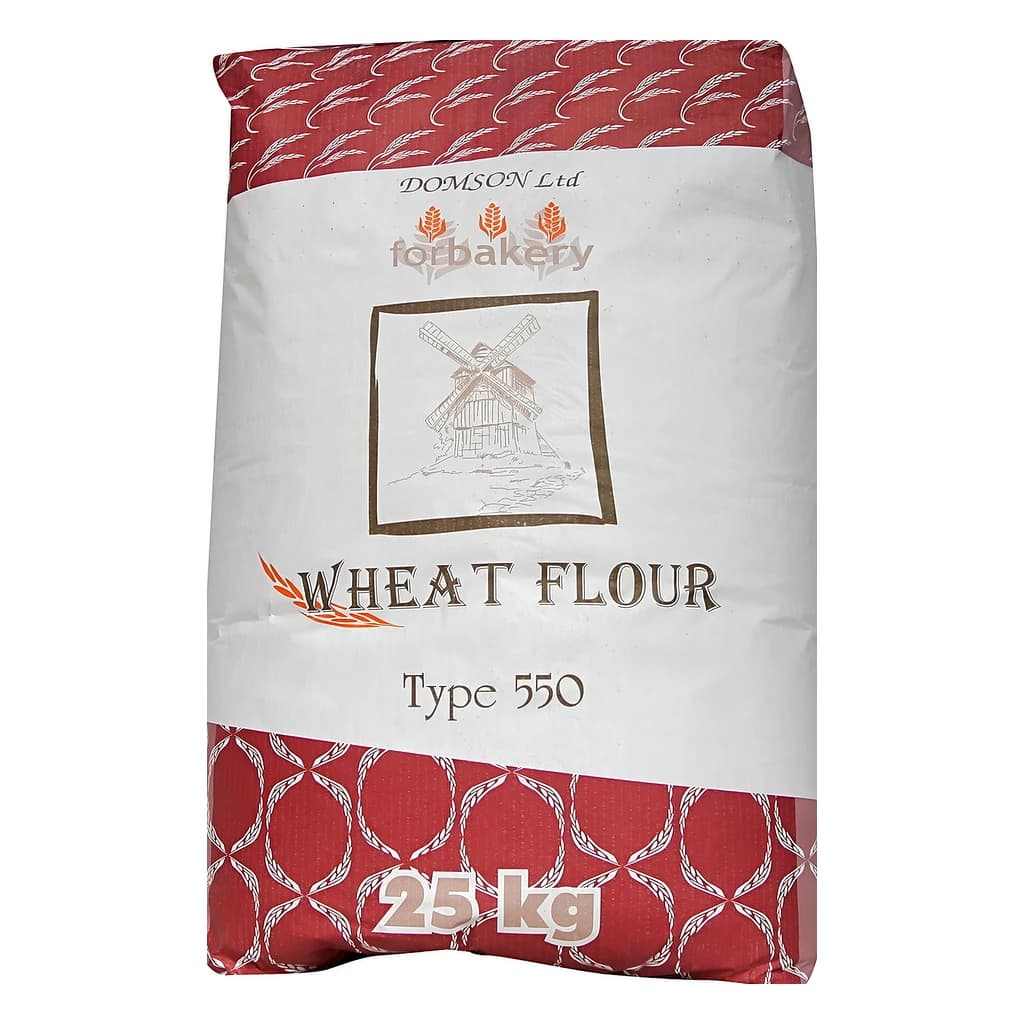
Domson Wheat Flour Type 550 25 kg
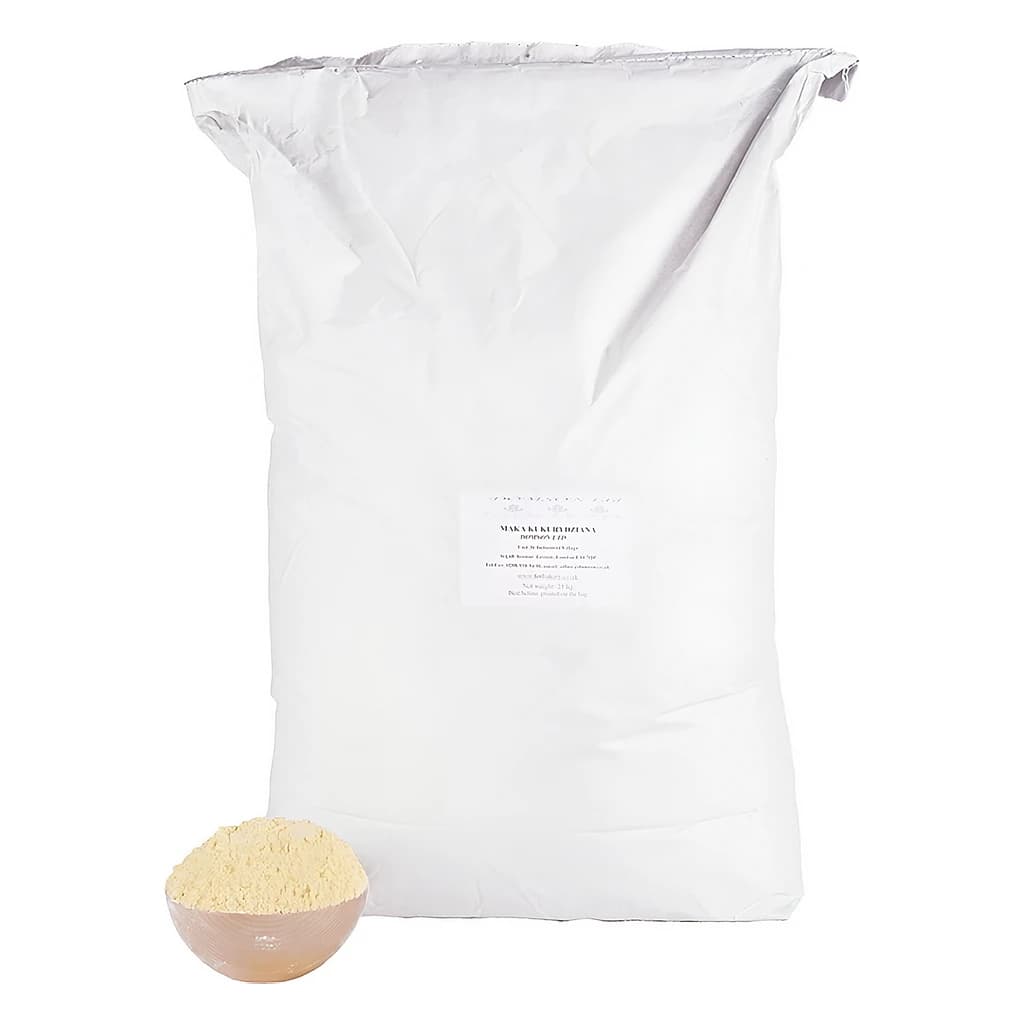
Corn Flour 25 kg
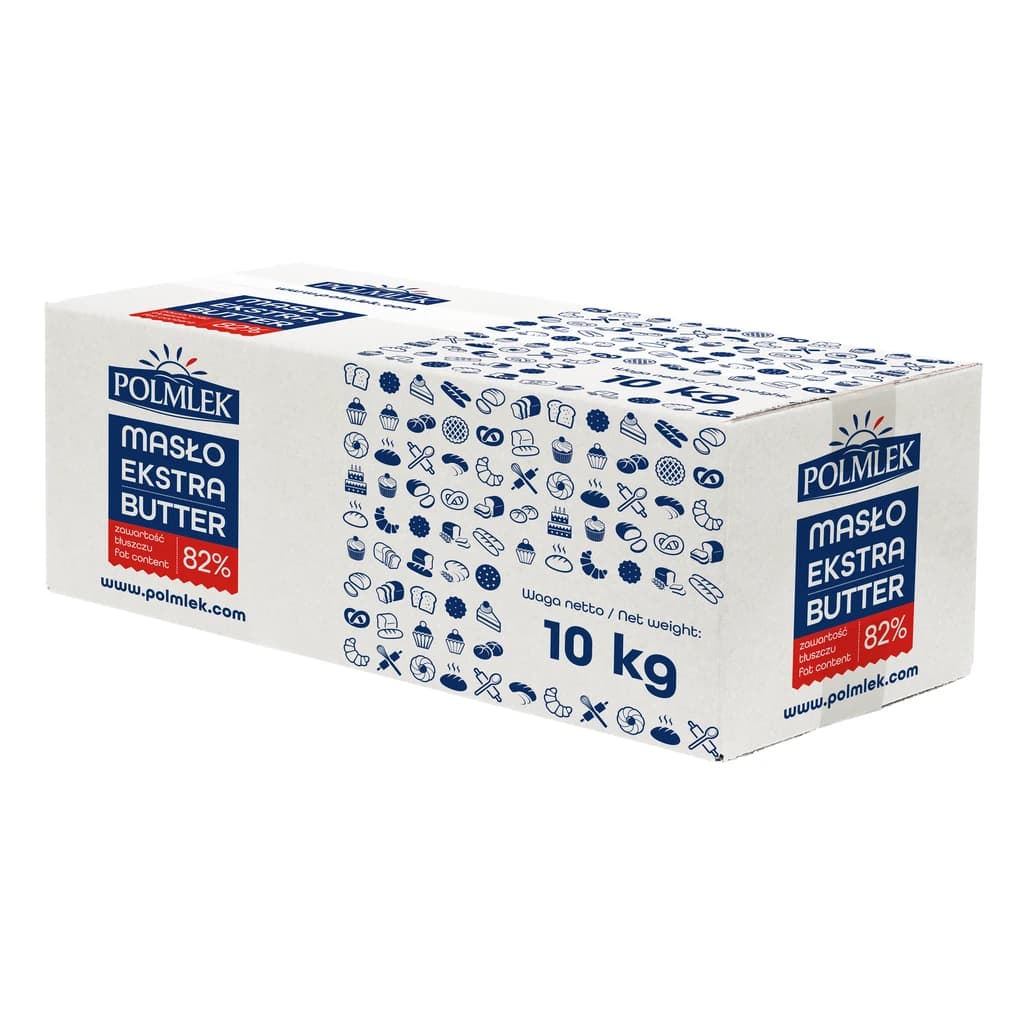
Unsalted Butter 82% 10 kg
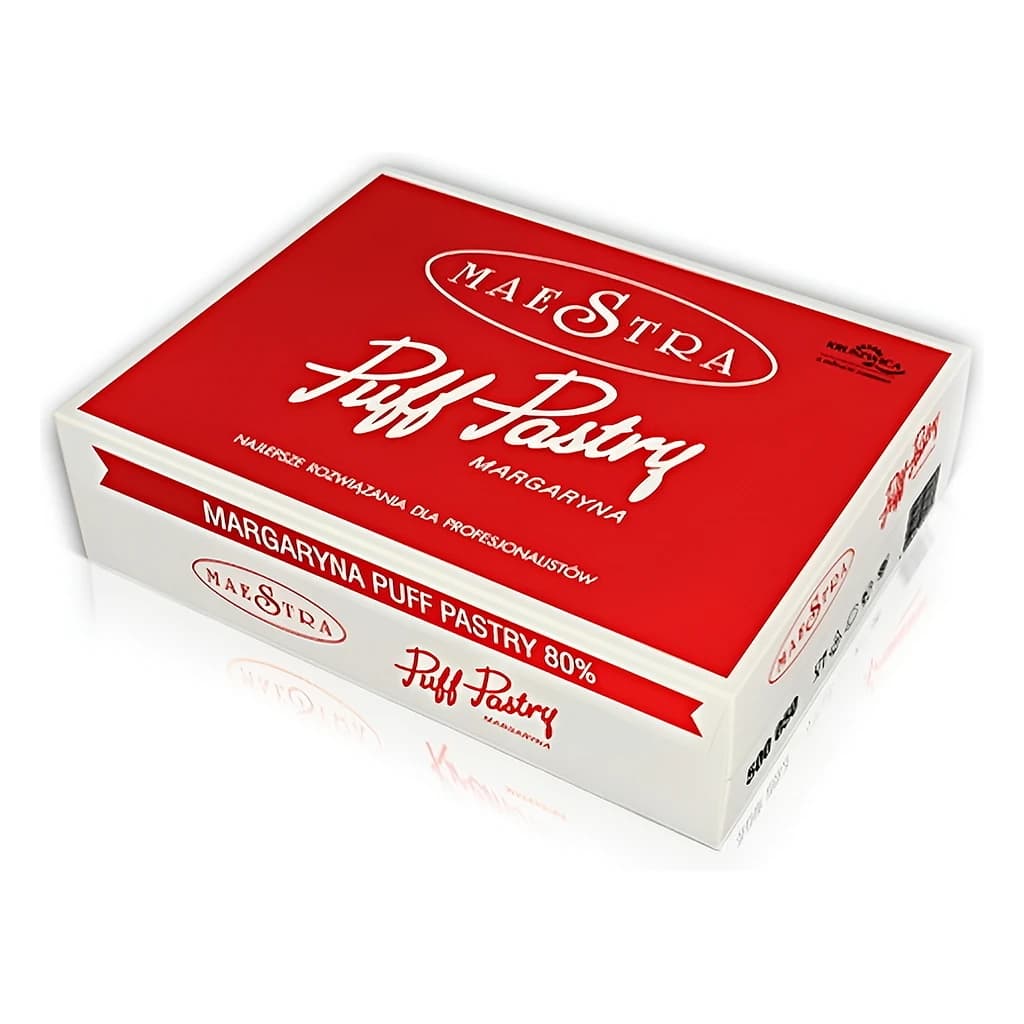
Puff Pastry Margarine 80% 10 kg
Italian Tipo 00 Pizza Flour 25 kg
Cheesecake Curd Cheese Polmlek 14% 10 kg
Wheat Semolina (Manna) 25 kg
AGRANA Maisita Native Maize Starch 25 kg
Tourage Croissant Butter 10 kg (5 × 2 kg)
Yoghurt Greek Style 3.5% 5 kg
BackGlanz Egg Wash Substitute 10 L
Centurion Canadian Very Strong Flour 16 kg
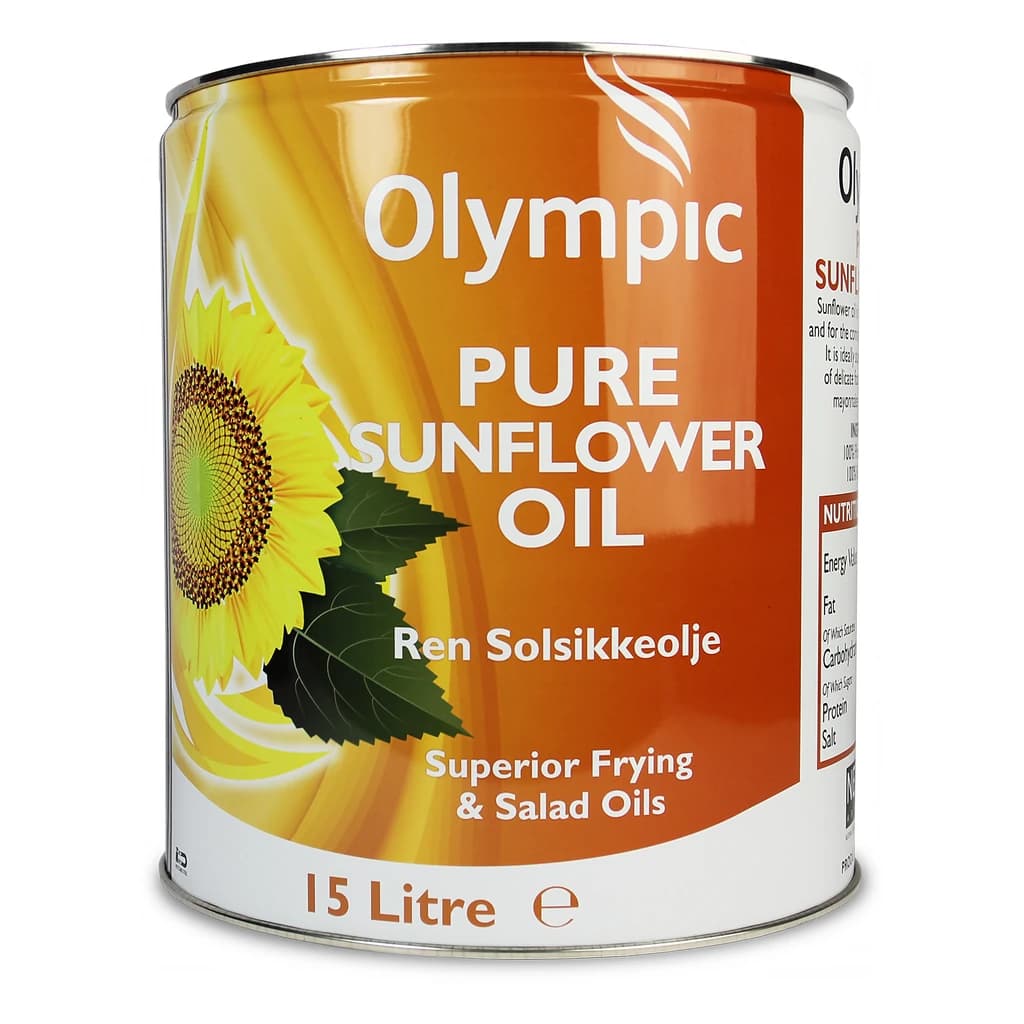
Sunflower Oil 15 L
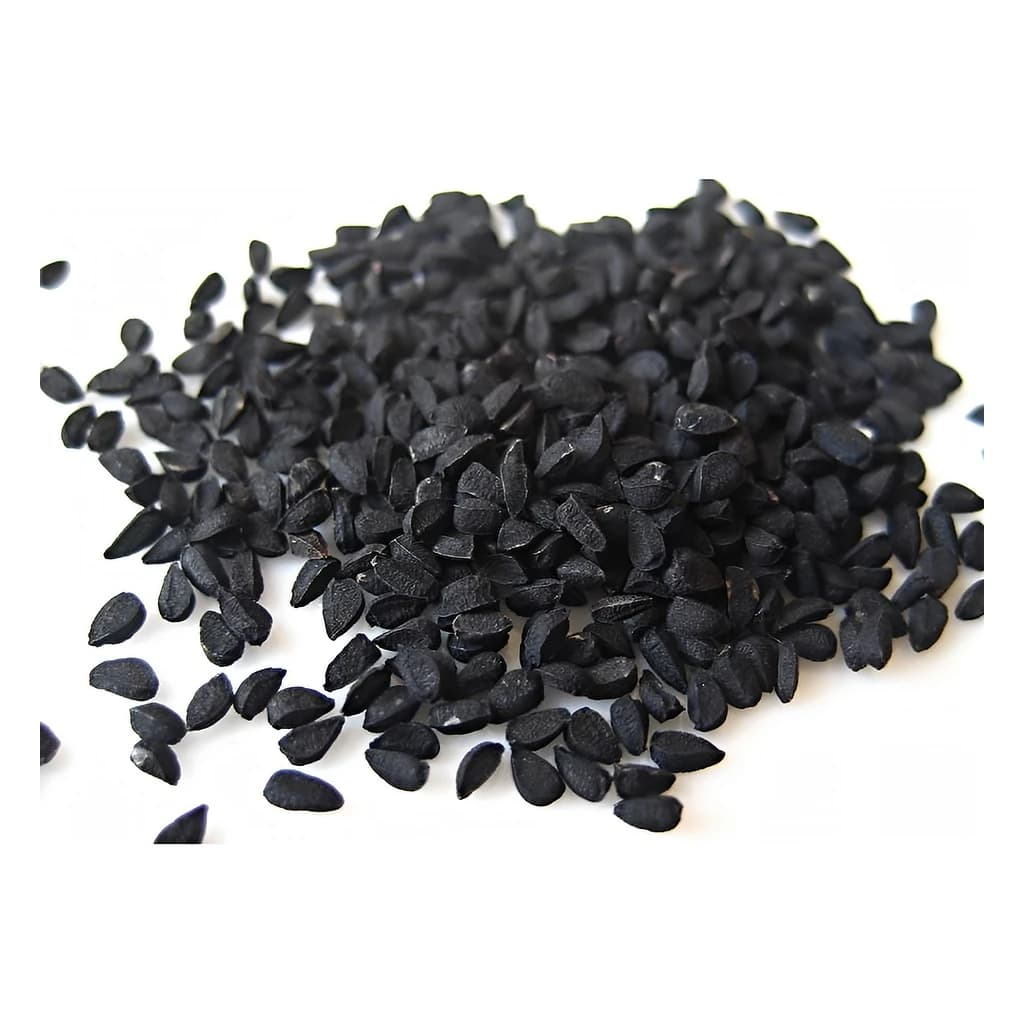
Black Seeds 5 kg
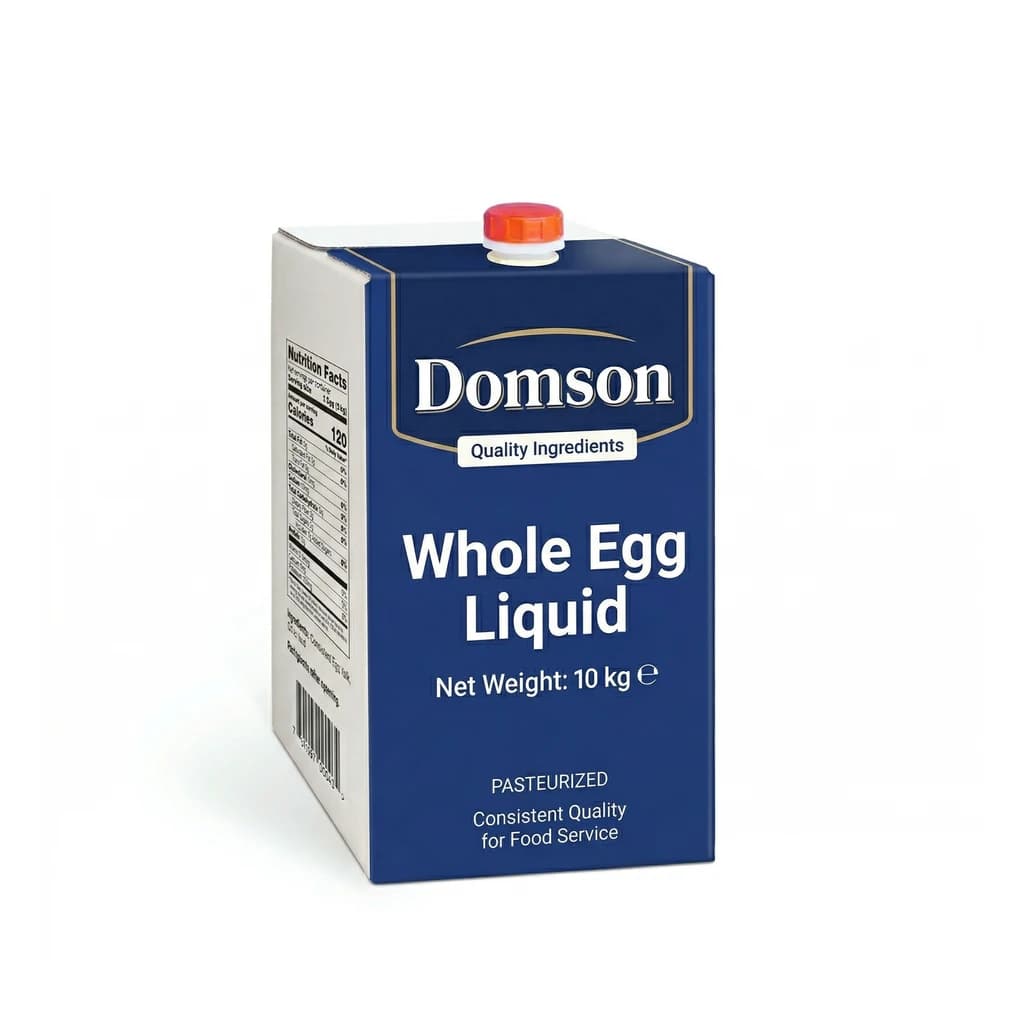
Whole Egg Liquid Domson 10 kg
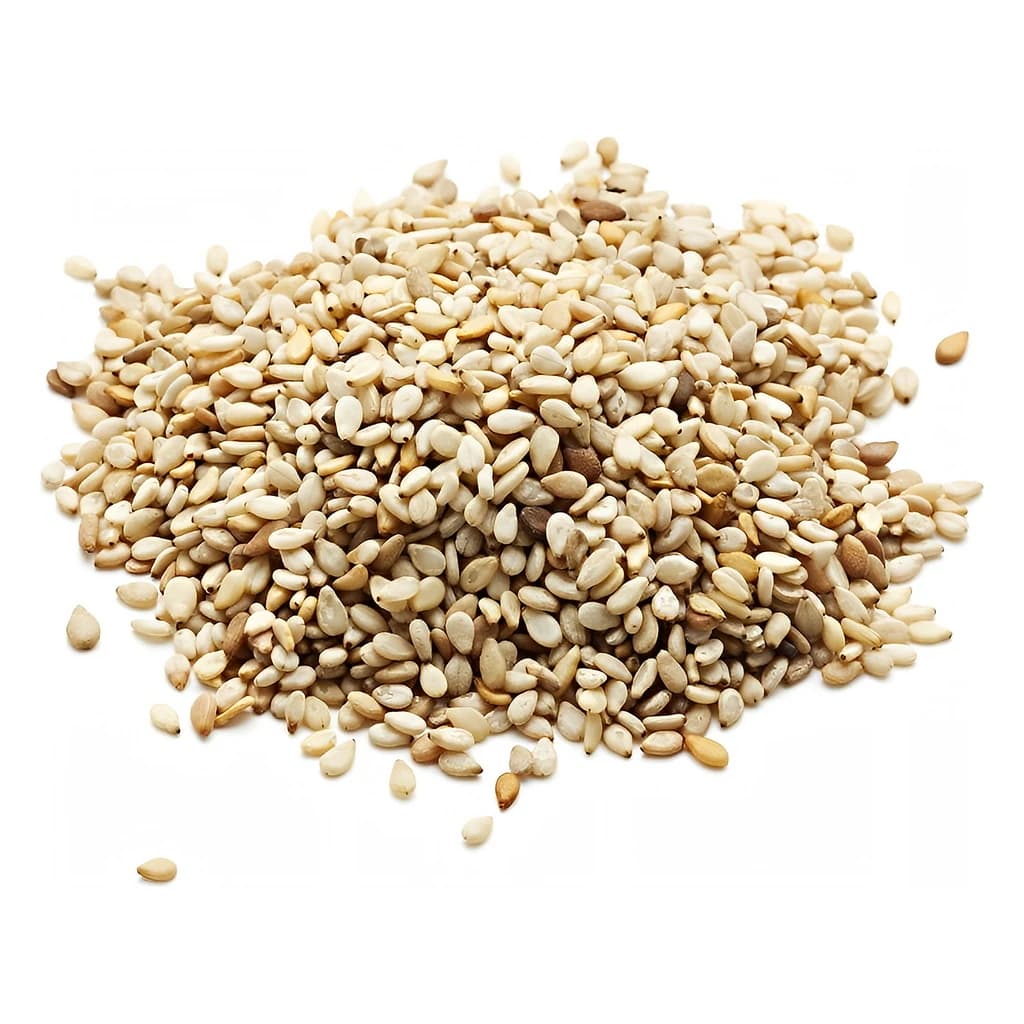
Sesame Seeds 25 kg
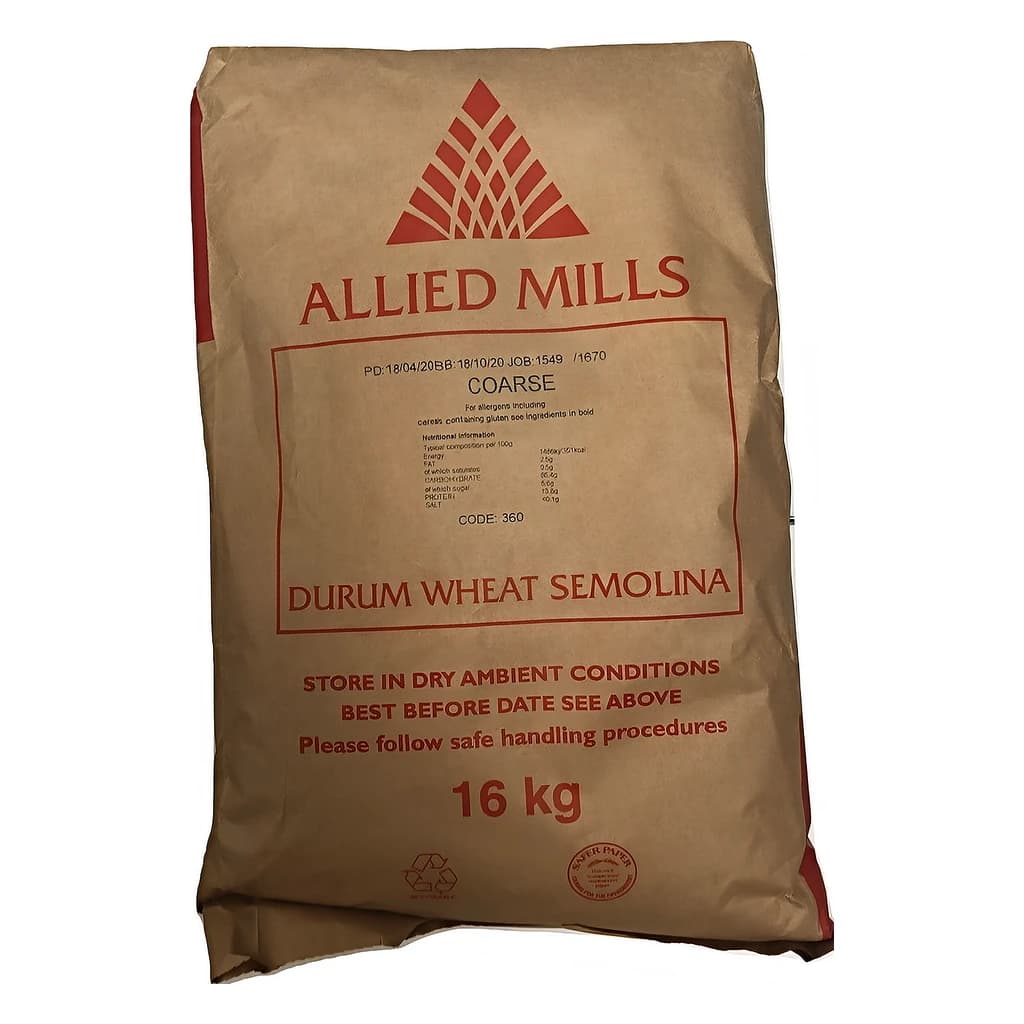
Durum Wheat Semolina 16 kg
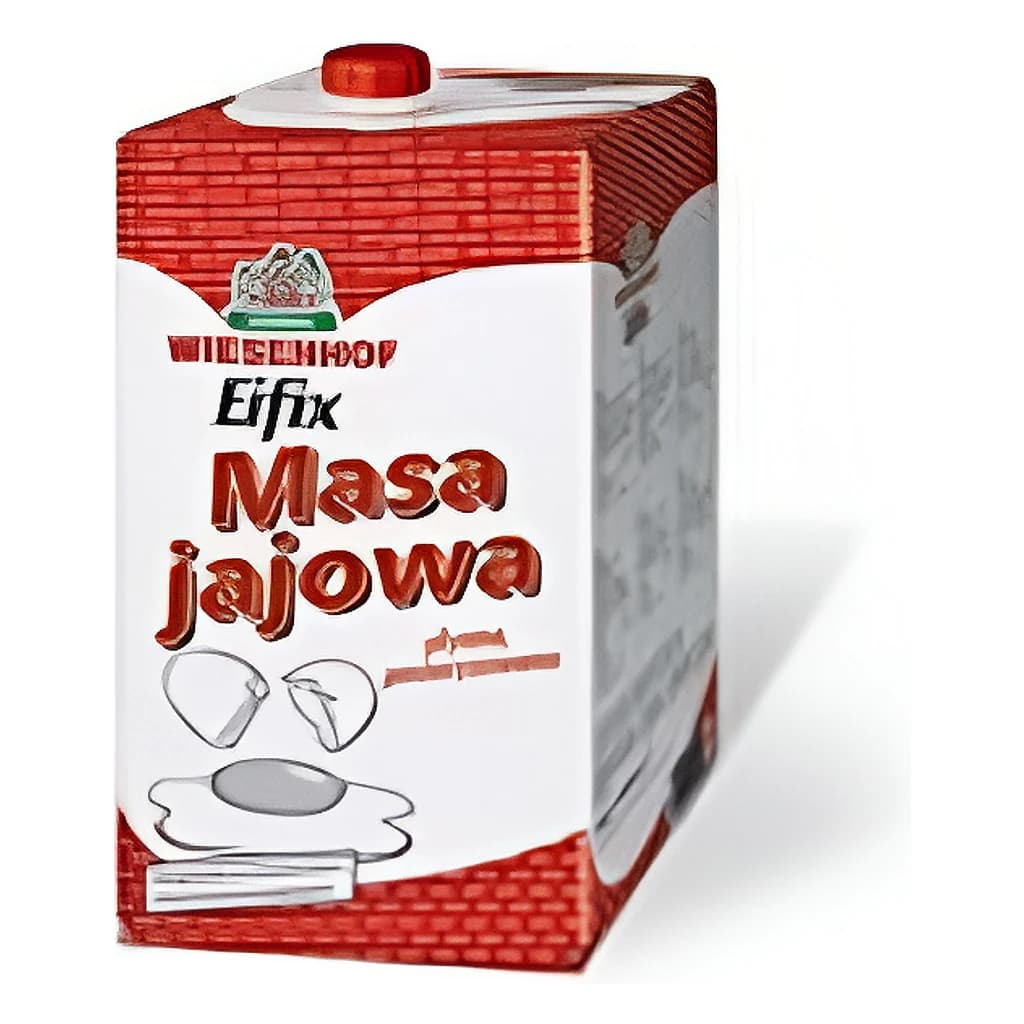
Liquid Egg Eifix 10 kg
Related reading
- Choosing the right wheat flour: bread, pastry, cake, pizza, pasta and laminated doughs
- Protein content, gluten quality and flour strength: what the numbers mean for your dough
- Reading the flour spec sheet: ash content, Hagberg falling number, Zeleny, farinograph and alveograph
- Laminated dough fundamentals: layers, folds & fat choice for croissants, Danish & puff pastry
- Laminating fats for croissants, puff pastry & Danish: butter vs roll-in margarine
- Roll-in fats for laminated pastry: butter vs pastry margarine — plasticity, melting point & how to choose
- Butter, margarine, shortening & oil: which fat for which job?
- Butter grades, fat content and specialist types: unsalted, cultured, high-fat & tourage butter
- Pastry creams & cold fillings: crème pâtissière, diplomat, mousseline, ganache and stable fruit curds
- The baking stage: oven spring, steam injection, starch gelatinisation, Maillard reaction and crust formation
- Seeds, nuts & crunchy toppings: glazing, toasting, coating and allergen management
- Baker's percentage: the universal language of professional formulas
- Yufka, lavaş, bazlama and gözleme: unleavened and sac-baked flatbreads in professional production
- Baklava production: 40-layer phyllo, clarified butter, pistachio grades and sugar-syrup control
Sources
- spec-sheetGoodMills Polska — Wheat Flour Type 550 Fortified, Product Description NR 03 W (Edition 17, valid 2025-09-12)
- spec-sheetPolmlek Grudziądz — Butter 82% Fat, Product Quality Specification SW-01 (Printing 27, 18/10/2023)
- spec-sheetKruszwica (Bunge) — MARGARYNA MAESTRA Puff Pastry 80%, Product Certificate / Specification SPBL 11/04
- spec-sheetOlympic Oils Ltd — Sunflower Oil, Raw Materials Specification (Issue 5, 26/05/2023)
- spec-sheetGlobal Grains and Ingredients Ltd — Sesame Hulled, Specification (Issue 10, 02/11/2023)
- spec-sheetBrenntag Polska / AGRANA — C*Gel 03401 Native Maize Starch, Technical Specification A712737 (2020-11-03)
- spec-sheetAllied Mills — 360 Coarse (Durum Wheat Semolina), AMP SPEC SEMO 01-06 rev 37 (published 21/04/2023)
- spec-sheetEipro-Vermarktung — Eifix Whole Egg, pasteurised, liquid (4120-000), Product Specification (v 01.03.2019)
- referenceSu Böreği — Türkiye Turizm Ansiklopedisi (tr)
- referenceYufka Ekmek — Türkiye Turizm Ansiklopedisi (tr)
- referenceBörek — KÜRE Ansiklopedi (tr)
- referenceBörek — Wikipedia (English)
- referenceÇi börek — Vikipedi (Turkish Wikipedia) (tr)
- referenceEskişehir'in tescilli lezzeti çi börek: Kırım Tatarları'ndan günümüze — Habertürk (tr)
- brandAçılan Un (Baklavalık / Böreklik / Mantılık) — Sinangil (tr)
- brandBaklavanın Sırrı: Baklavalık Un Nasıl Seçilir? — Özmen Un (tr)
- referenceBaklavalık Unun Farkı Nedir? — Lezzet (tr)
- referenceBöreklik un nedir? — Usta Yemek Tarifleri (tr)
- recipeEn İyi Börek Tarifleri / börek çeşitleri — Yemek.com (tr)
- referenceKaradeniz'in Gururu Laz Böreği Nedir? — Rize Yöresel (tr)
- referenceLaz Böreği'nin Kökeni ve Bugünkü Yeri — Müslüm Usta (tr)
- referenceCoğrafi İşaretler Portalı — Türk Patent ve Marka Kurumu (TÜRKPATENT) (tr)
- academicDoç. Dr. Özge Samancı — Özyeğin Üniversitesi Gastronomi ve Mutfak Sanatları (tr)
- academicBazı Özel Amaçlı Unların Kalite Özellikleri — Akademik Gıda (DergiPark) (tr)
- trade-bodyTUSAF — Türkiye Un Sanayicileri Federasyonu (tr)
- trade-bodyTürkiye Fırıncılar Federasyonu (tr)
- trade-bodyProfesyonel Ekmekçilik ve Fırıncılık Eğitimi — Mutfak Sanatları Akademisi (MSA) (tr)
- recipeOzlem's Turkish Table — Recipes (börek, Turkish baking)
- regulatoryCooking methods and safe core temperatures — UK Food Standards Agency (business guidance)
- regulatoryRegulation (EU) No 1169/2011 on the provision of food information to consumers — Annex II (allergen labelling)